


George Orwell’s Road to Wigan Pier….
 As the UK faces another budget and dreary outlook from the Chancellor with cutbacks and warnings of further austerity ahead I wondered when was the last time we were told we weren’t in austerity? But what does it actually mean and what can we do as individuals to help ourselves when successive governments seem to want to do the opposite?
With food shortages and huge increases in food costs as well as the damage caused to our health by a reliance on cheap ready meals this is one area in particular we can choose to help ourselves with perhaps more than we might.
Whilst there has never been a better time to be alive in so many ways (park the nostalgia) there are clearly many people across the first world group of countries who have far less than most and the disparity between those who have and have not is as much in evidence today as it was in Orwell’s. What I do find frustrating is the lack of honesty in debating the root causes of social breakdowns in society and in particular the fact that education plays such a vital role within the family as much as it does outside of it.
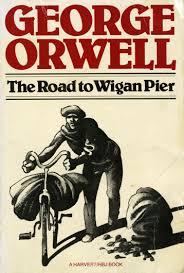 Reading Orwell lament the seemingly self-chosen lack of wholesome food in the diet of the lower working class and unemployed back in 1937 was surprising in its frankness. Orwell argues that those who have less want more in terms of taste in their food hence a propensity towards sugar, tea and white bread instead of brown. He argues that the rich are more inclined to breakfast on ‘orange juice and a Ryvita biscuit‘ than an unemployed man and there is some logic to that.
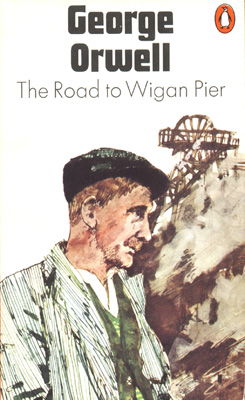 “It is unfortunate that the English working class-the English nation , generally for that matter-are exceptionally ignorant about and wasteful of food”
I found this particularly interesting, who, in today’s society would dare suggest that the poorest in our society would benefit from greater prudence in their housekeeping habits? Education is surely the key, but the food manufacturing industry must also surely play their part. Orwell never saw the 10p frozen pizzas which have become household staples for many, he never saw the shift from buying dirty carrots to ready peeled, sliced, cooked and pre-portioned ones for less money.
Categories: The Reading Room


 retroculturati