


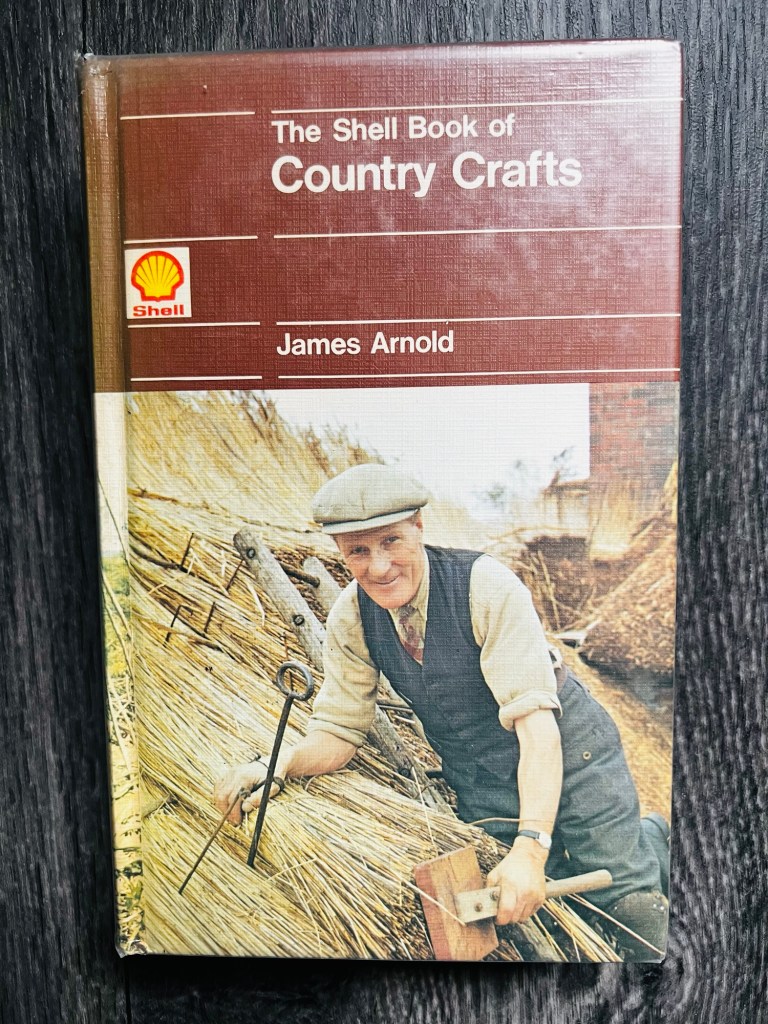
I am a huge fan of the old Shell Guides series of books. They were a much loved publication running from the 1930s until the latter part of the 1980s. Originally produced as a guide to the counties of England, the subjects broadened out to feature all aspects of the countryside.
The Shell Book of Country Crafts was written by James Arnold in association with Shell U.K. Oil and published by John Baker Ltd in 1968 going on to be reprinted in 1970, ‘74 and 1977. Running to three hundred and fifty eight pages with seventy six photographs and fifty three line drawings it is a comprehensive view of country life from the pre-industrial revolution through to its publication.
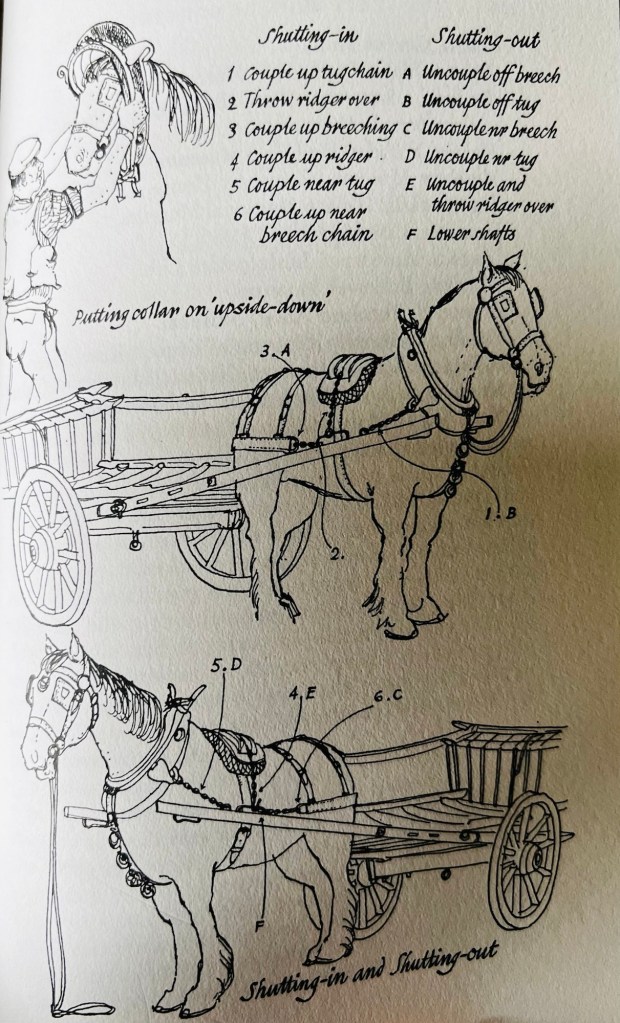
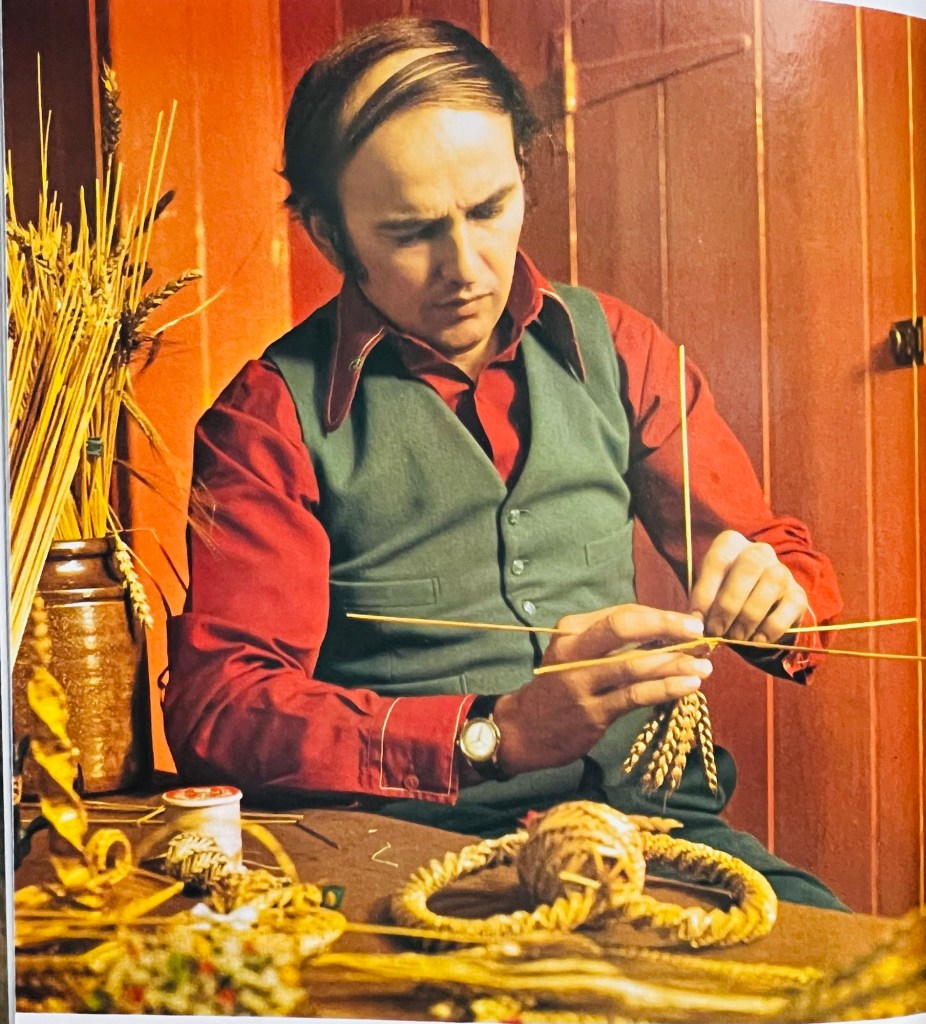
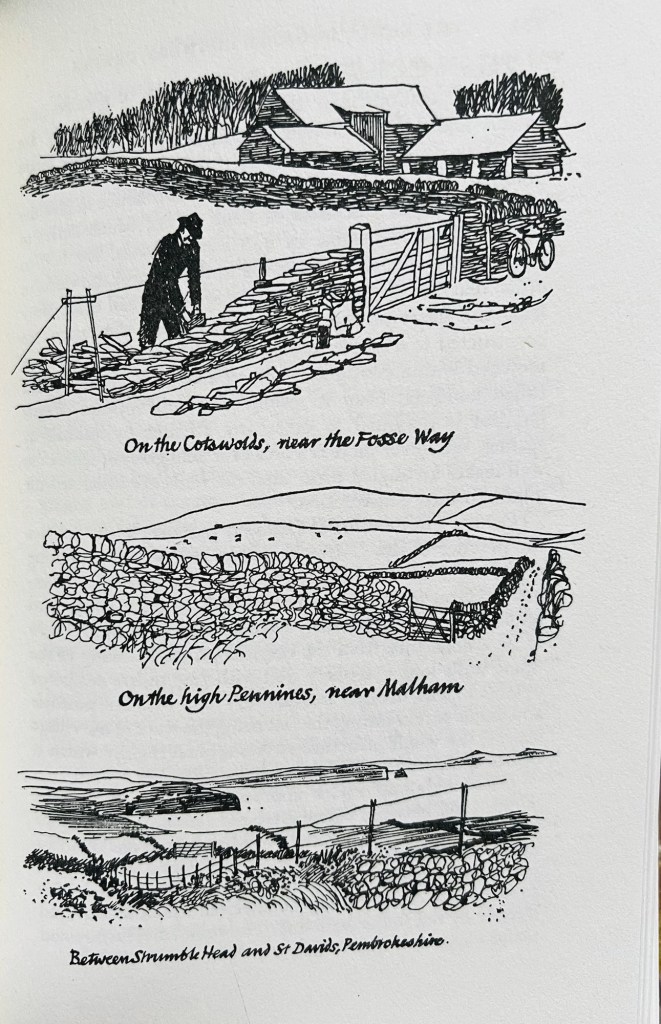
It is such a wonderful collection of crafts and traditions, most of which, tragically will be lost today. From Woodsmen making sticks, coppicing, wattle hurdle making to thatching, weaving, dry stone walling, saddlery and basket making, it covers the whole range of English country crafting.
One of my favourite television programmes from the 1980s was Jack Hargreaves ‘Out of Town’ and this author’s style of writing reminds me of Hargreaves. He is informative with a controlled level of technical detail which is blended with stories and the characters behind these old crafts.
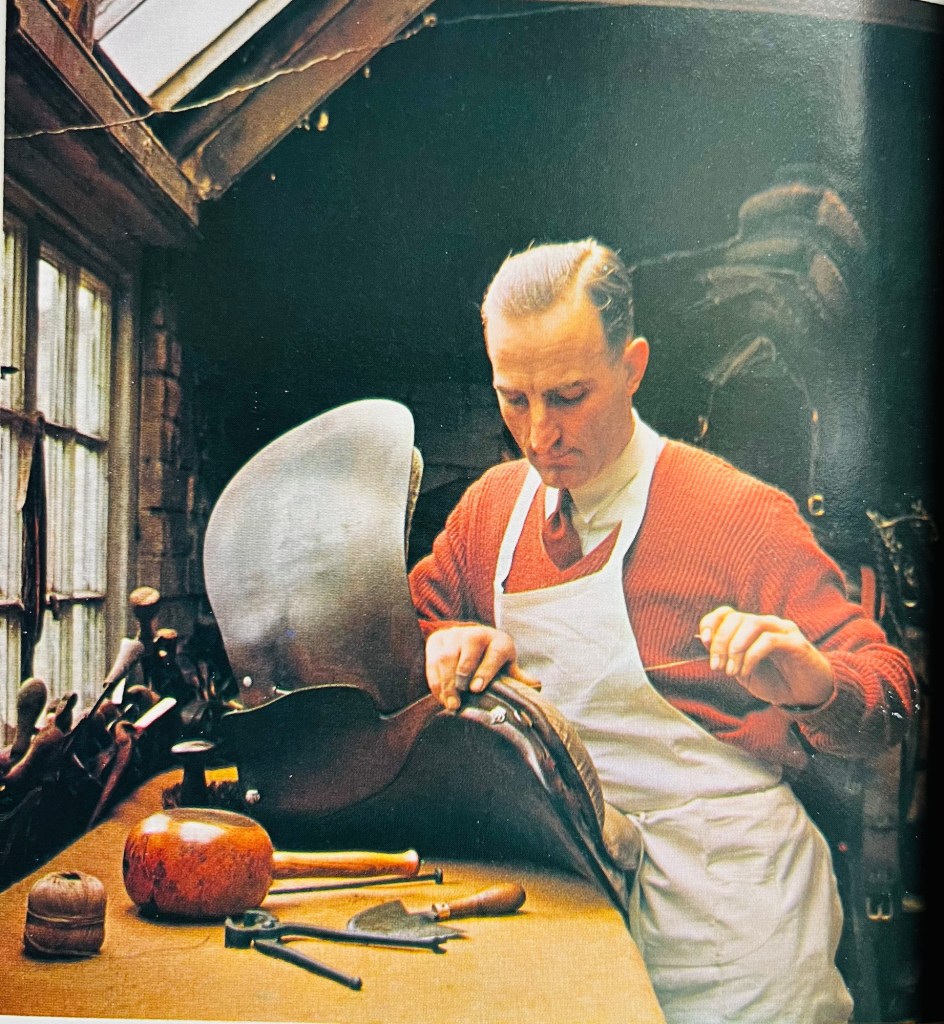
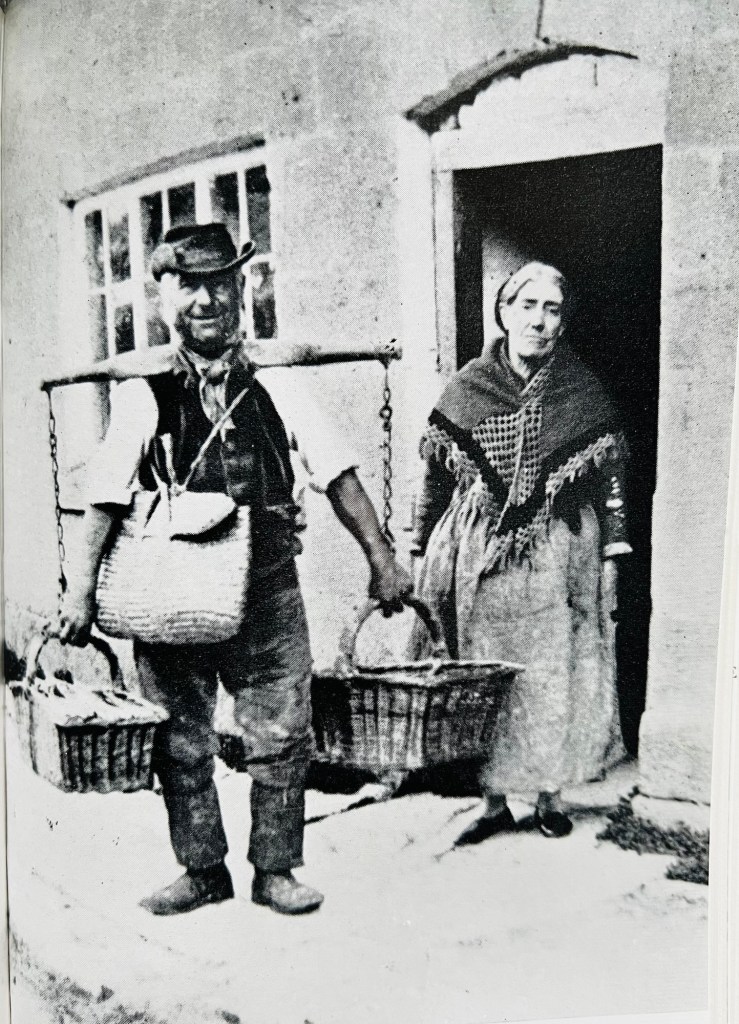
What the Shell Guides left us with was a memory treasure trove, a wonderful lesson and/or reminder of British country life in the last century. From these pages it becomes clear how ‘we’ have evolved and both gained and lost along the way. What has certainly been lost is the sense of community that these craftspeople created. These were no one-stop shops but a series of small independent businesses sewn into the fabric of the village. These people lived and died by the quality of their work, they couldn’t afford to be average and what they made had to last.
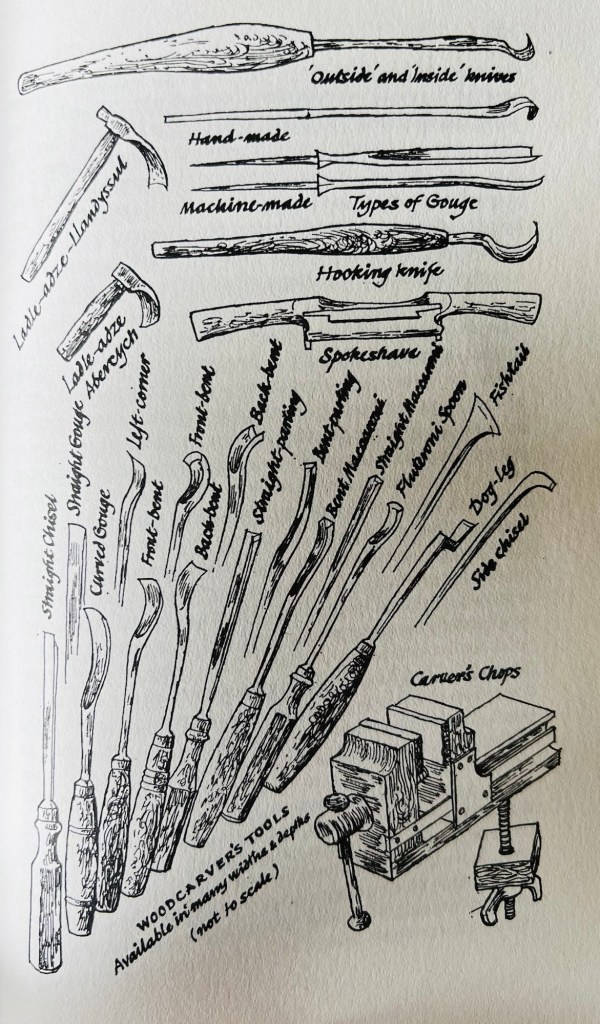
Tools especially were designed to last, they were treated like extensions of workers arms, there was a disciplined standard which had to be maintained, a no nonsense approach which has been acutely watered down in this new age.
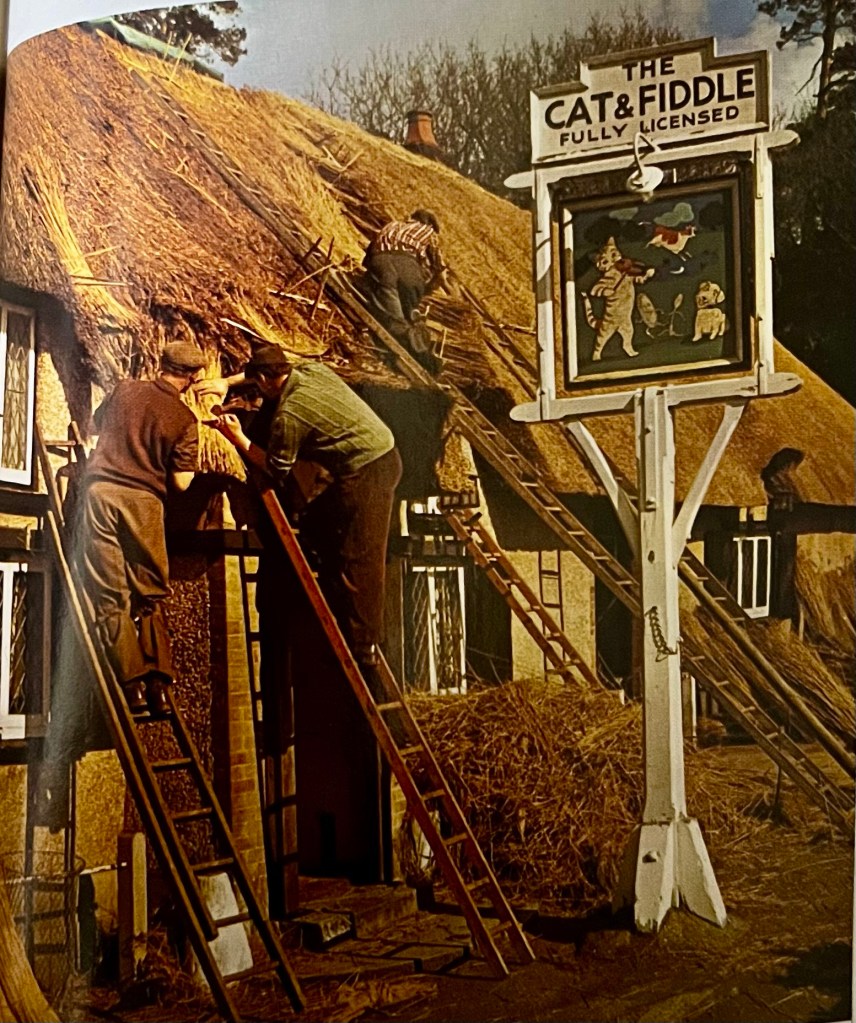
It’s hard to imagine the sense of satisfaction a thatched roof would bring, those that still remain in England are a thing of beauty, the thatchers, though few in number continue a remarkable tradition which i hope never dies out.
The final section of the book is a look at all of the types of timber producing trees and their qualities and uses. I find this particularly interesting and a reminder of what an incredible resource wood is. I never imagined Yew to be classed as a softwood despite being as hard and heavy as an oak.
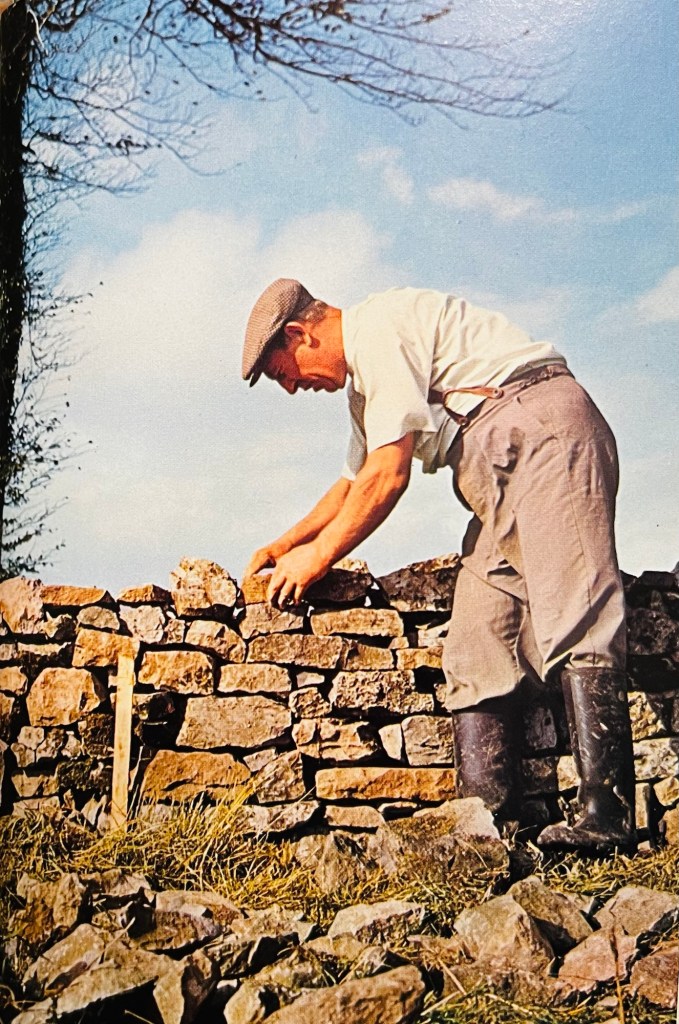
These guides are relatively cheap to buy online or in your secondhand bookshop and well worth a read, I feel grateful to have these to look back on and draw inspiration from.
Categories: British History and Folklore


 retroculturati