




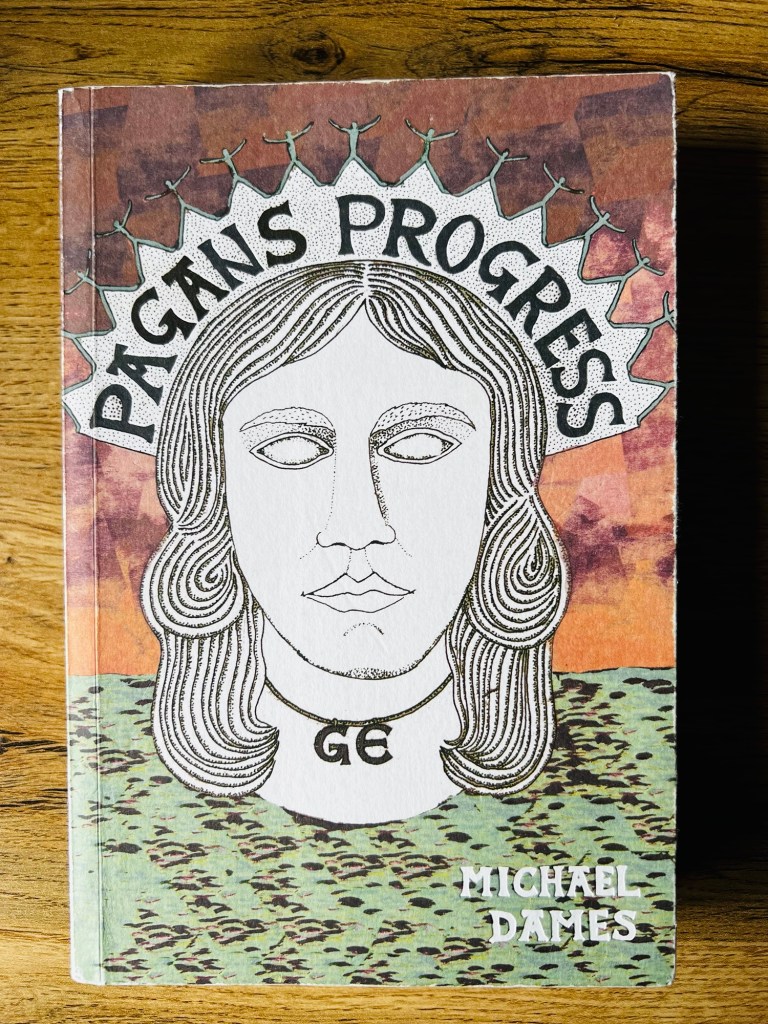
Published by Strange Attractor Press in 2017, Pagans Progress is a formidable book about the British landscape, its myths and legends and unique history.
Written by Michael Dames and illustrated throughout by Natalie Kay-Thatcher, this is a refreshing look at our Pagan heritage. Dames is very well qualified to write this book with seven previous titles under his belt: The Silbury Treasure (1976) The Avebury Cycle (1977) Mythic Ireland (1992) Merlin and Wales (2002) Taliesin’s Travels (2006) and Silbury: Resolving the Enigma (2010)
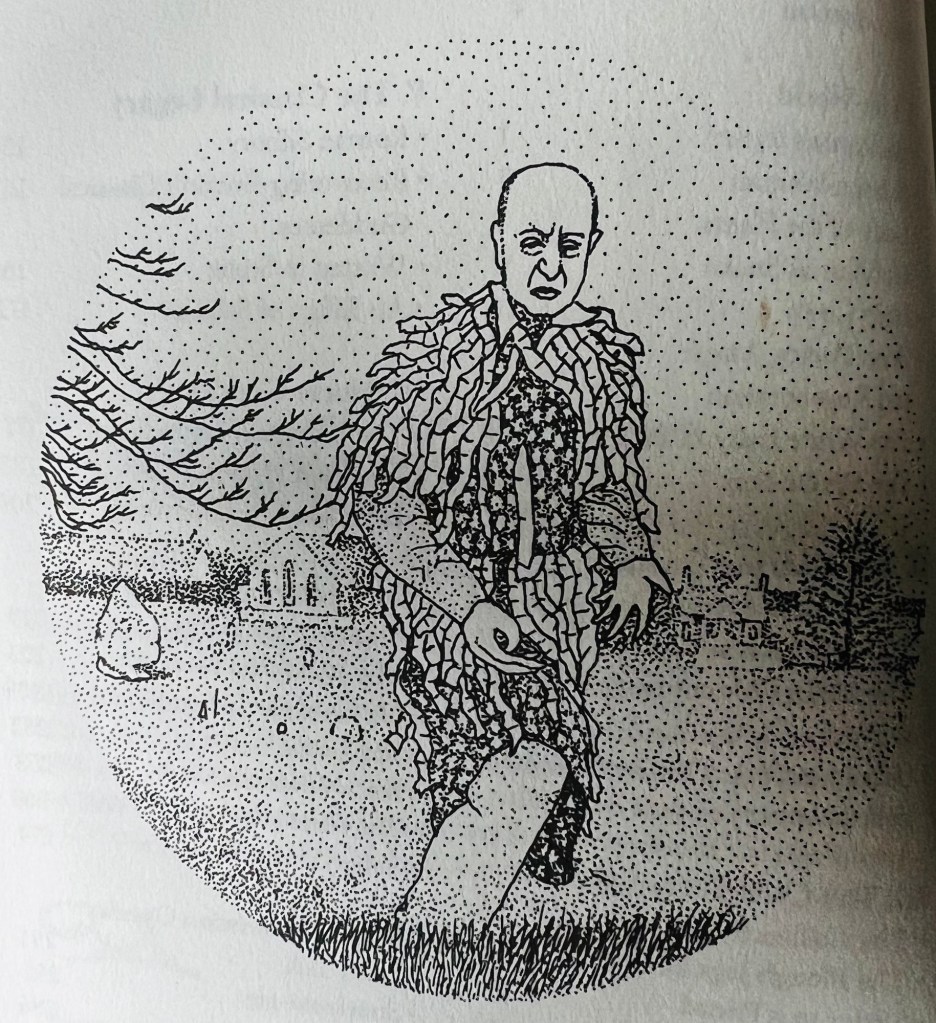
The central theme of the book is the celebration of the goddess in pre-Christian cultures, beginning with the Ancient Greek goddess Ge otherwise known as Gai or Mother Earth. Dames explains how this goddess was known across the Eurasian continents by a variety of names throughout the Neolithic period and into the Roman era where she was celebrated and worshipped as part of everyday life.
Dames sets out to chart the female deities Pagans in particular will recognise today, beginning with Ceridwen, the Welsh nature goddess revered by modern day Druids through to plant names with ‘Lady’ attached to them. Particularly interesting is the chapter on the Cailleach, the dark goddess of Scotland also known as the Hag of Winter whose spirit is said to flow through the four elements of Earth, Air, Fire and Water using her powers to reconnect humanity with nature.
The worship of the feminine is deeply entrenched in Pagan and Folk tradition and can be seen in how plants, trees, animals and birds are considered from that viewpoint. From the Birch tree’s alter ego as the white lady of the woods to the Queen Bee, rightly revered by insect and man alike or the fertility goddess’s celebrated at Springtime the feminine runs under, across and over our landscape from over six thousand years ago to this very day.
This book covers them all: goddesses of water or river, moon or horse to Welsh giants, these have been carved into our folklore and history books, chewed up and spat out by early Christians until more recent times when a return to nature based spirituality has taken a hold once again.
Dames academic background did not hinder the author in considering our understanding of ecology from other perspectives and what old lore might teach us about modern day life and the relationship with have with our land.
Gods and goddesses need not be viewed in their most literal sense to be best understood but rather as a significant overseer of man’s deeper spiritual connection to Mother Earth. This is a highly researched study highlighting more than ever our need to re establish our relationship with the Earth and how we fit in alongside rather than dominate our sacred land and all of its life.
Categories: British History and Folklore, The Reading Room


 retroculturati