



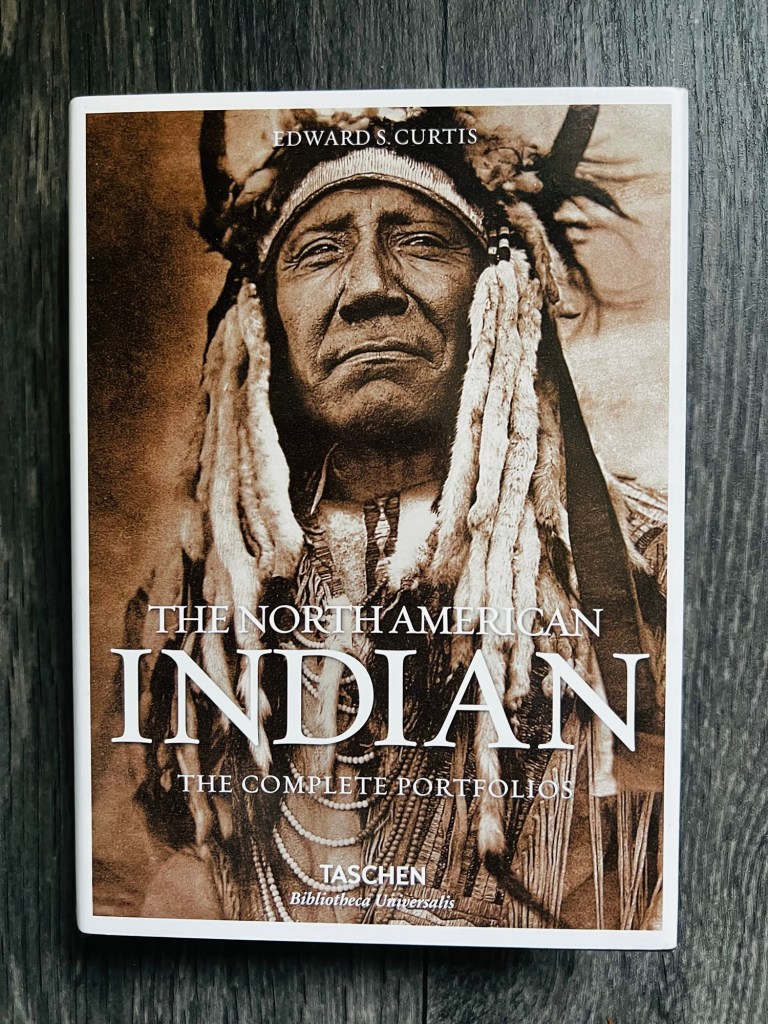
I recently bought the stunning edition of The North American Indian published by Taschen. From the front cover photograph of Two Moons, a Cheyenne Indian to the back cover photograph of a flathead dance this is an incredible collection of images by Edward S. Curtis whose work was first published in twenty volumes between 1907 and 1930 as The American Indian.
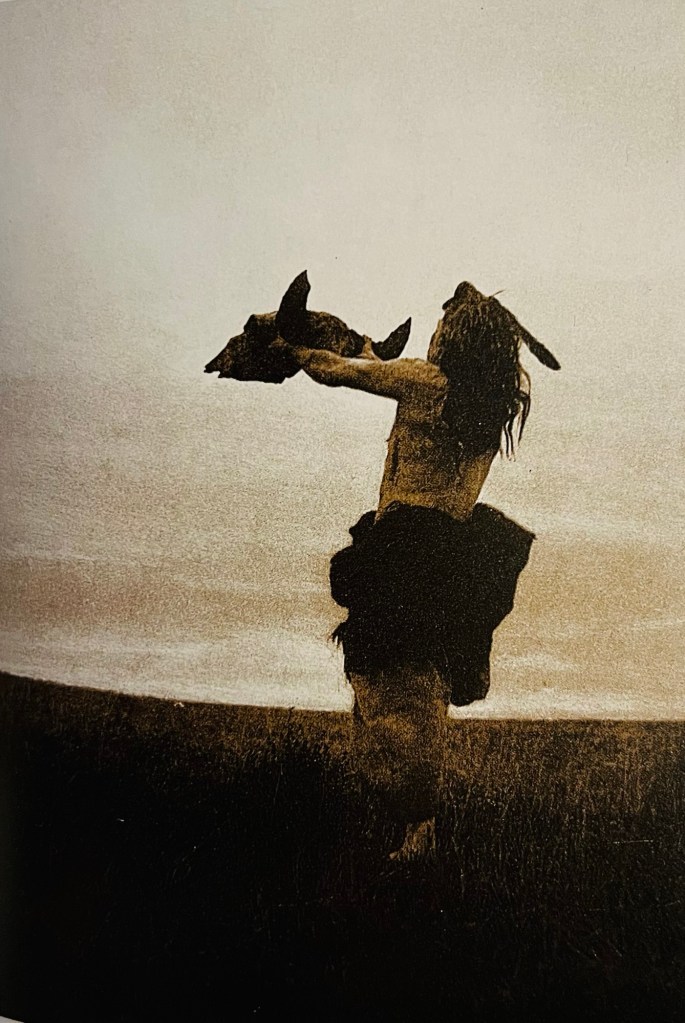
These original editions are exceptionally rare, five hundred were set to be published as a huge twenty volume encyclopaedia although how many of those were actually printed is unknown. What is known is that only two hundred and seventy two were ever sold and this book is the complete portfolio of that work.
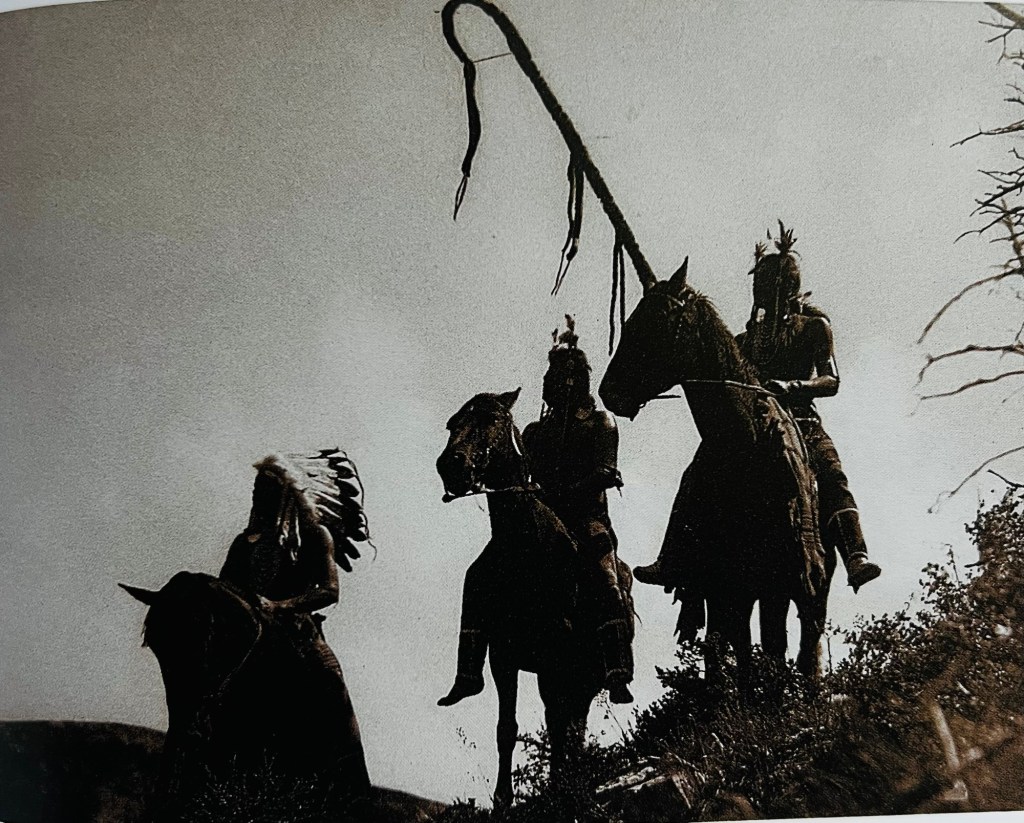
Running to 765 pages, it is a stunning collection and the more I look at the photographs the more incredible they become. It is impossible to comprehend the enormity of the work, the sheer logistics of carrying such cumbersome equipment and the process of developing the images alone is beyond the reckoning of our iPhone minds. Combine that with a white man embedding himself into hostile territory and having to befriend those who had been so tragically betrayed to capture the lives of what he already knew to be a dying race. The photographs are taken in every season and to follow the Apsaroke in the depths of a Montana winter in particular show the ambition and fortitude of Curtis.
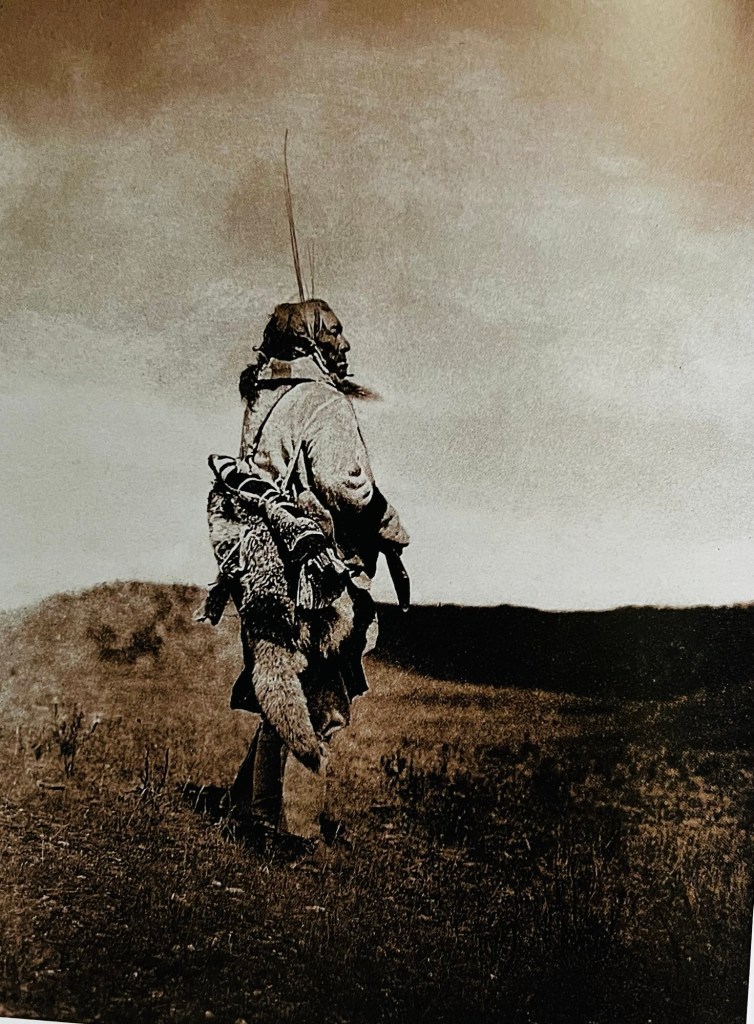
Edward Sheriff Curtis was born in Wisconsin in 1868. By the age of thirty his work was chosen for an exhibition by the National Photographic Society where he won a gold medal. As his fame grew he was commissioned by J.P Morgan to produce a series of photographs documenting the American Indian. The contract was huge; $75,000, some 2.5 million dollars in today’s money spread over five years and only to be used in supporting the logistics of the work itself, not the writing or the publishing of the volumes.
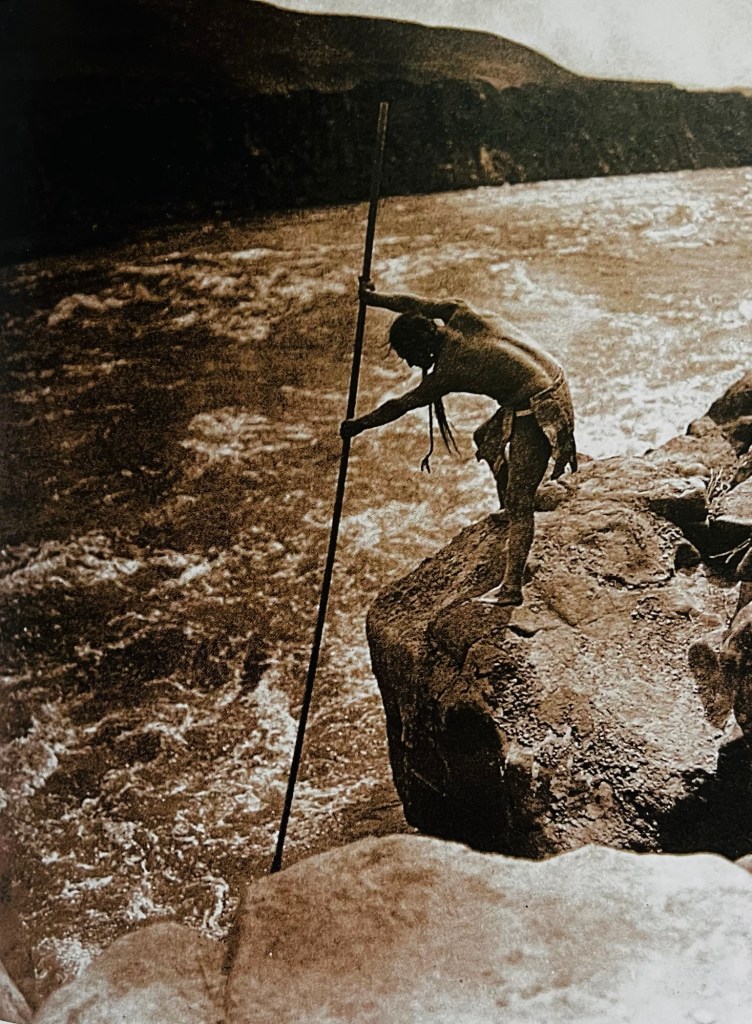
The result was this stunning collection of portraits, both individual and group images of tribespeople of all generations whose faces told a thousand stories. Cynics might say it’s hard not to take a good photograph of such a subject matter but his sense of composition in framing a shot to perfectly capture the essence of the tribe and their lives is remarkable.
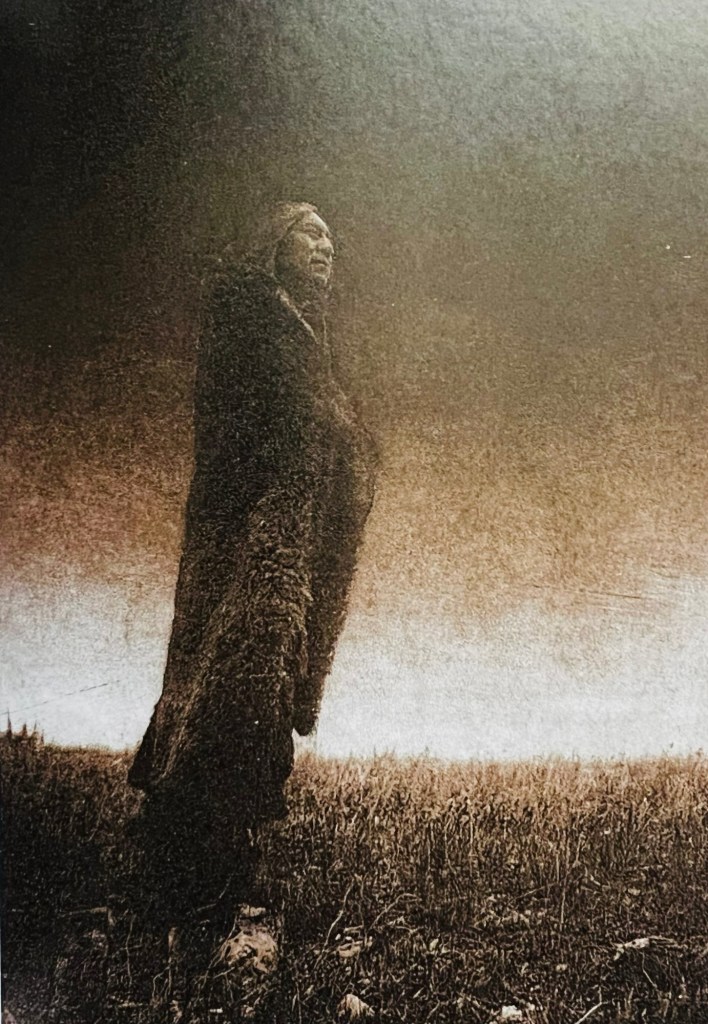
Anyone wishing to get a deeper understanding of the history of the American Indians would find much in these portraits. It is hard not to be moved by their plight and to wonder just what their life philosophy has been replaced with and to what ends.
Categories: The Reading Room


 retroculturati