

Having recently reread Gareth E.Rees’ fascinating Unofficial Britain I was reminded of the story of a real life ‘Ghostbuster’ from the town I grew up in.
Robin Furman was a British psychologist and hypnotherapist with a deep interest in the scientific study of paranormal phenomena. Based in Grimsby, an east coast port town in Lincolnshire, England, he soon became widely known as the leader of a small group dubbed the “Grimsby Ghostbusters,” a team of psychic investigators who tackled hauntings and supernatural occurrences across Lincolnshire and the rest of the UK. Furman’s academic background as well as his role as one of the few lecturers in parapsychology in the country gave the group a unique blend of the factual and the folklore.
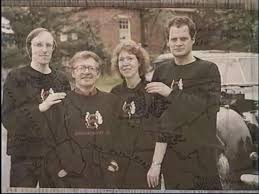
The Grimsby Ghostbusters were formed around 1984, coinciding with the release of the hugely popular Ghostbusters film. Furman put together a small, dedicated team that included professionals from surprisingly technical fields, such as a microbiologist, a computer consultant, and an electronics engineer, lending credence to his emphasis on a scientific approach to the paranormal. Furman also recruited his son Andy, who kept their ‘Ghost Mobile’, an old Austin Princess on the road and Rodney, an inventor who created devices like the ‘Roboghost’, designed to detect poltergeist activity. They were often accompanied by their 14-stone dog, Ben, adding an extra layer of quirky novelty to their story.
Furman also wrote a book Ghostbusters U.K., co-authored by Moria Martingale, with illustrations by none other than Uri Geller. Published in 1991 as a casebook of their experiences, documenting exorcisms and investigations. Notable cases include the haunting at Grange Farm, marked by sudden deaths and strange accidents; a churchyard with mist rising from tombstones and menacing cloaked figures; a ghost train featuring a strangely realistic “corpse”; and a woman reportedly possessed by Pazuzu, a mythological entity. Furman explored the potential reasons behind these phenomena arguing that the evidence for events like these should be accepted in the same way as scientific theories.
The Grimsby Ghostbusters gained some nationwide media attention, including a BBC Radio feature in 1992 which followed the team on a night of ghostbusting. Locally, he was well liked, anyone who put the town on the map was well supported by a community used to ridicule. Furman himself lived in a house said to be haunted by a nun, further embedding him in the world he studied. The team combined electronic equipment with a psychological insight setting them apart from purely spiritual or anecdotal ghost-hunting pursuits, their aim was to bridge the gap between skepticism and belief which to an extent they did. At the very least they created a stir which engaged people in sharing their stories adding to the rich folklore of the area.
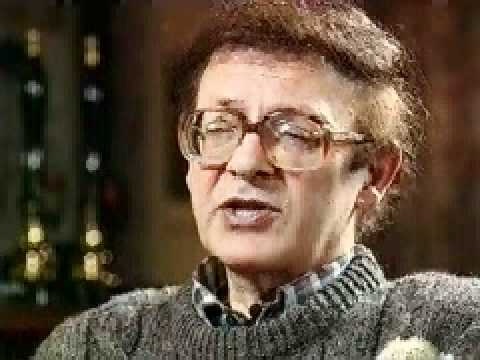
Furman’s legacy, whatever one might think of his subject matter was to add a chapter to the town’s history in a way that should be celebrated rather than denigrated. He was a character but also a believer and either one of those is in short supply these decades later, that he was both sets him apart from the many.
Categories: British History and Folklore


 retroculturati