
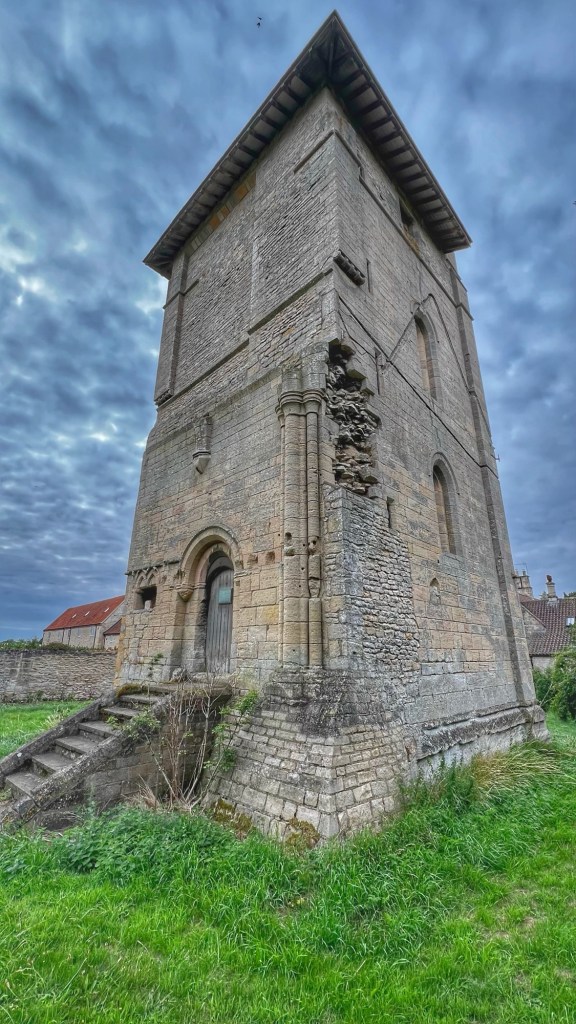
I recently revisited the wonderful Temple Bruer in Lincolnshire after some twelve years. This remote site, tucked away within farmland in the heart of the county is home to one of the most important Templar preceptories in England and second only to London as the wealthiest.
What remains is one of two 13th century towers which were attached to the circular chancel of a Templar church. Situated on Lincoln Heath, between Lincoln and Sleaford, the name Bruer comes from the French word for heath-bruyère. The area remains sparse, the sense of history, palpable and it is easy to imagine how difficult life would have been for those living there. It is easy to assume that the Templars were all fighting knights when in reality, the majority were working monks who gathered funds to aid the warrior knights fighting abroad.

The Order of the Knights Templar was both a religious and military brotherhood which would be wiped out in under two hundred years. They enjoyed a stellar rise to power, vast sums of money quickly came their way with their leaders rubbing shoulders with royalty and popes. Most famous for their crusades they were equally renowned peace-makers in Britain who influenced the governing class from Henry 1st onwards. Much has been written about the order, most of it more fictional than fact, most especially the links to the holy grail and the Illuminati.
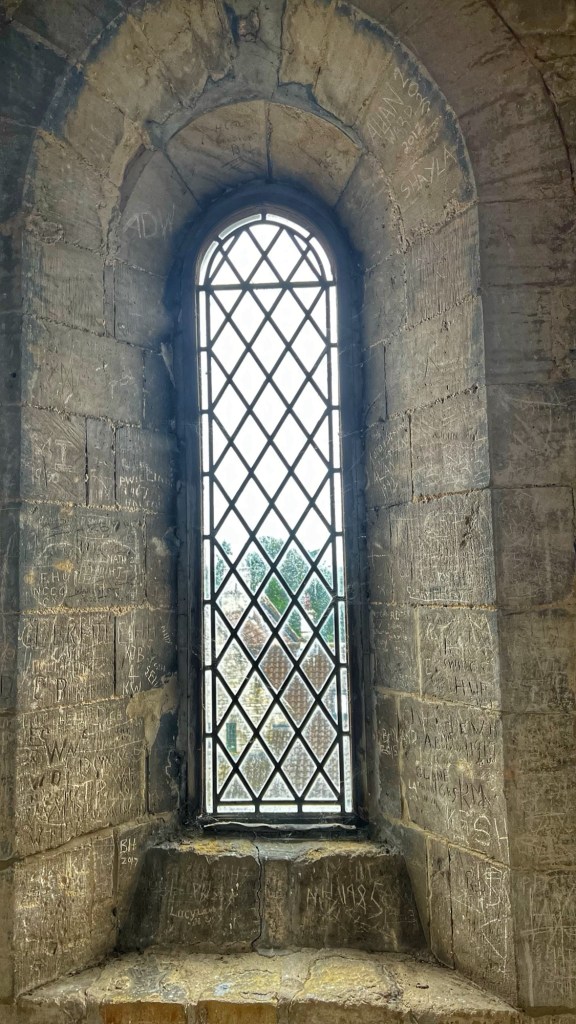
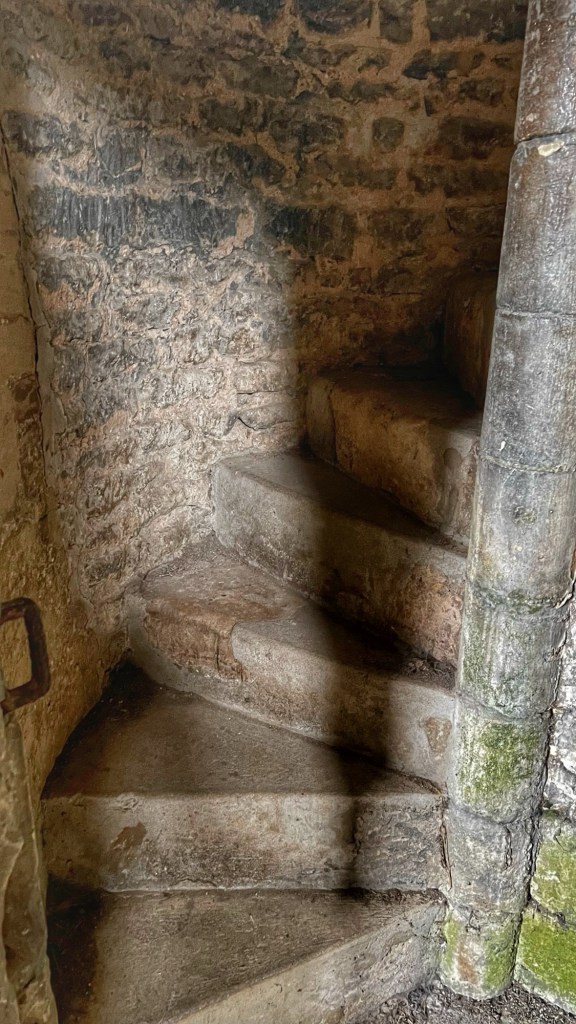
The building sits on farmland which has developed considerably since my last visit, there is some limited parking close by and if, like me, you arrive early then you will likely have the place to yourself. Entering the building I was immediately struck by both the light and the absolute sense of history. The walls, quite literally, spell it out with a huge amount of graffiti spread across all of the walls and the spiral staircase to the first floor. The ‘graffiti’ mercifully, is, for the most part, the older kind, evading the dreaded spray can. Instead, you will find masons marks, names and initials of visiting pilgrims and later, everyday visitors who can be dated from the 1600s and earlier. I intend to write a separate post about these engravings and most especially the abundance of runes or ritual symbols of protection which seems to have either not been understood or ignored.
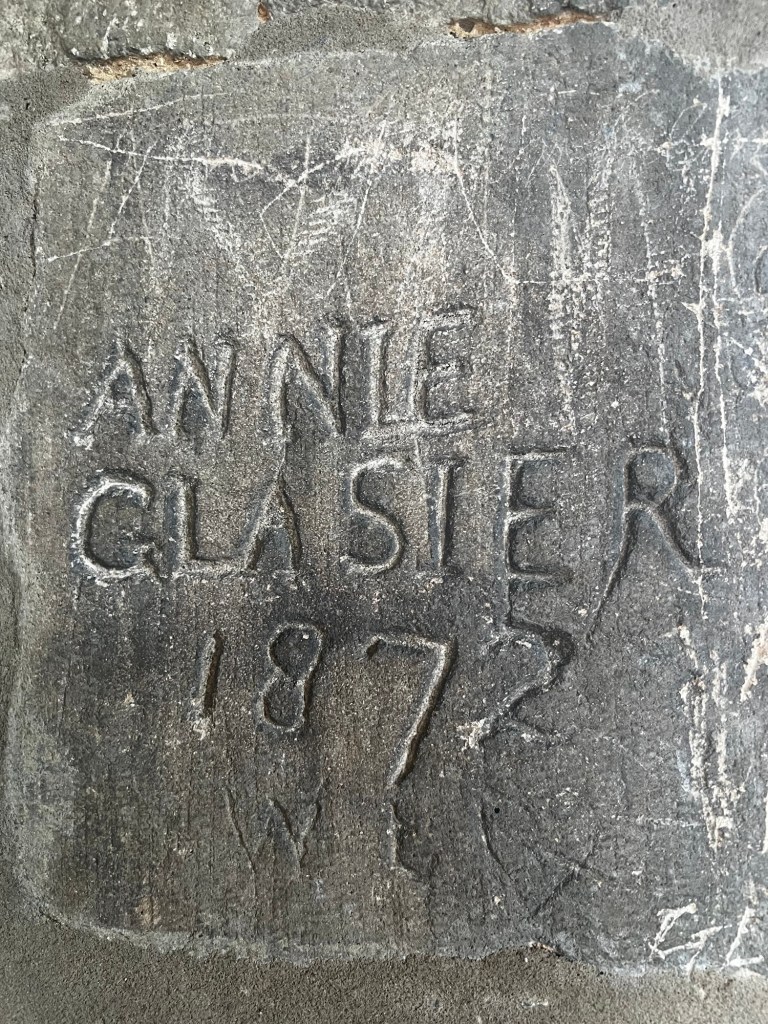
The preceptory was founded in the later years of the reign of Henry the 2nd and underwent restoration in the late nineteenth century but there is more than enough of the original structure remaining to make this trip a worthwhile one. The sense of spiritual calm is remarkable, I had a very similar sense visiting Tupholme Abbey and the earthworks of what was Bardney Abbey about twenty minutes north from here. Much, I suspect, has to do with the flat, arable landscape often with an unforgiving wind which adds to the sense of hardship the monks must have endured.
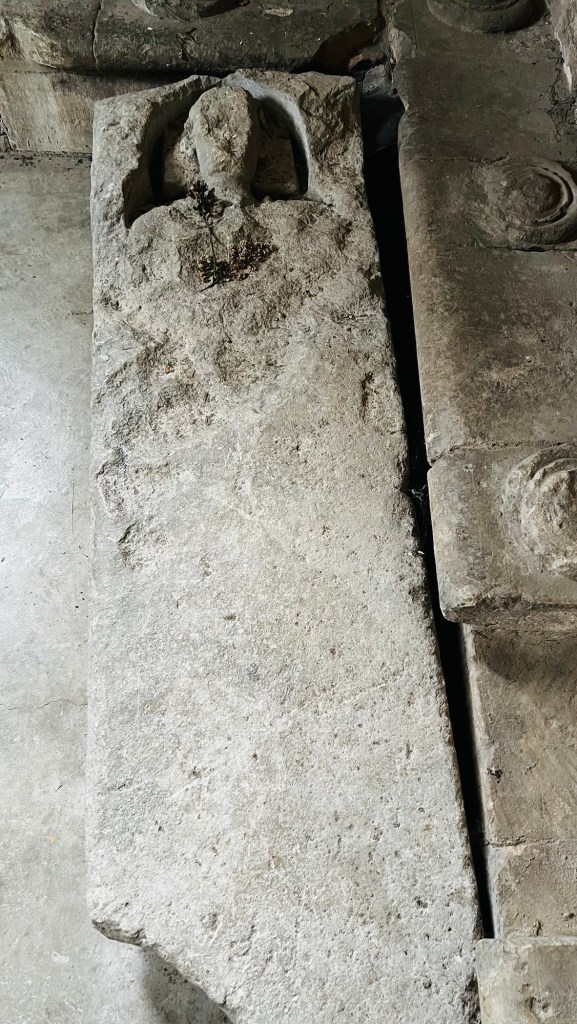
The preceptory would have been run by a knight in much the same way as those Templar knights charged with protecting sacred pilgrim sights abroad. He would have been supported by monks who would oversee the daily prayers and chores in a very austere environment based on vows of chastity, poverty and an unwavering commitment to their God.
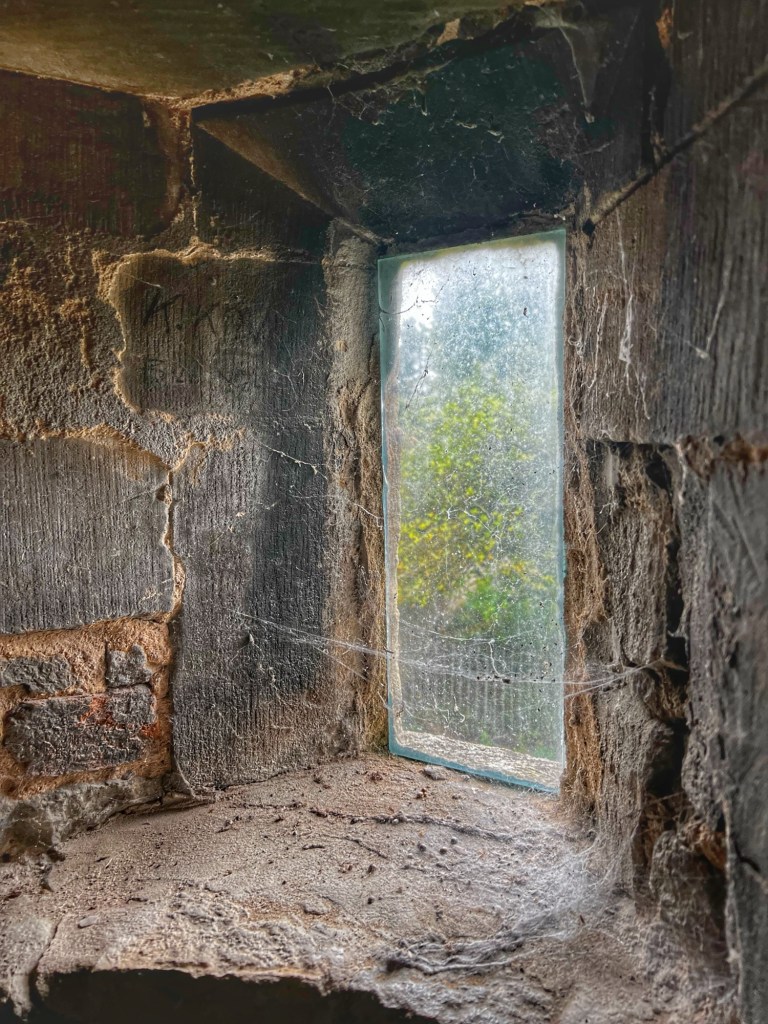
The Templars main source of income from Lincolnshire was sheep, the surrounding countryside allowed for huge flocks and the production of the best quality wool which would then be transported to Grimsby, Boston and King’s Lynn for shipping to the continent aboard Templar vessels. They also made use of the old Roman roads and particularly the famous Ermine Street which connected London to Lincoln and then York.
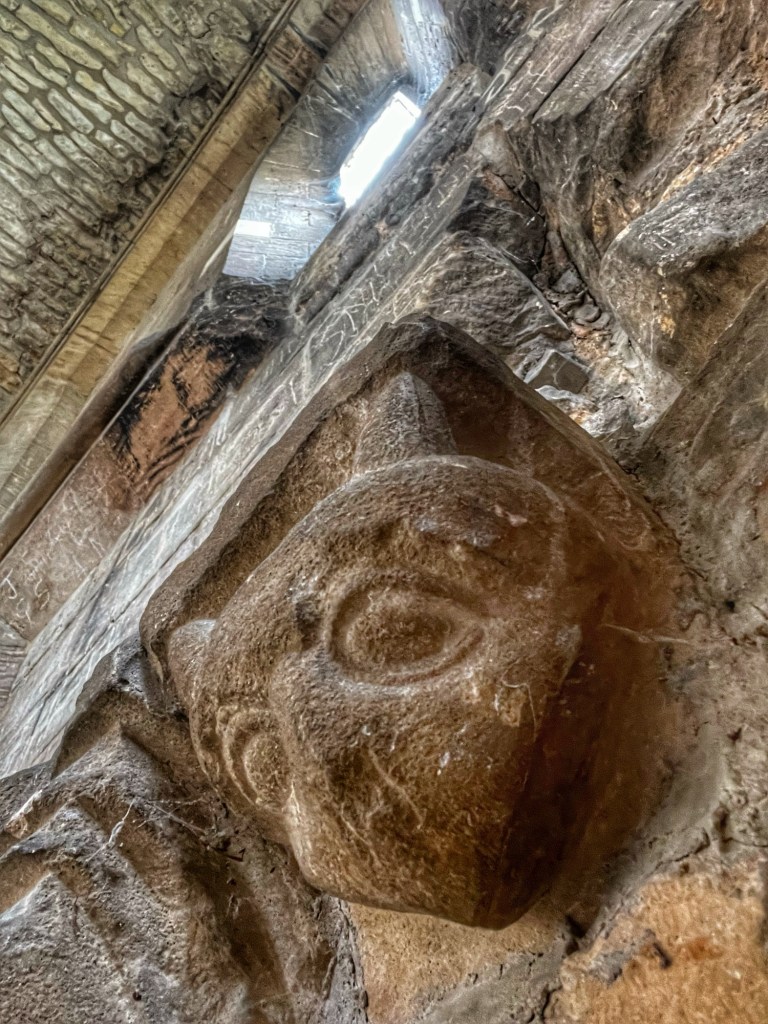
Tucked away on the ground floor is a stone cat sealed into the altar area known as the Grand Master’s Chapel which is very easy to miss. The addition of this is open to debate, some believe it has connections to black magic and the charge made against them at their trial that they worshipped idols. What is more probable is the influence of Ancient Egypt on the Templars who did worship the cat and its association to the moon. Whatever the reason, it’s a fascinating and intriguing hidden piece of stone work.
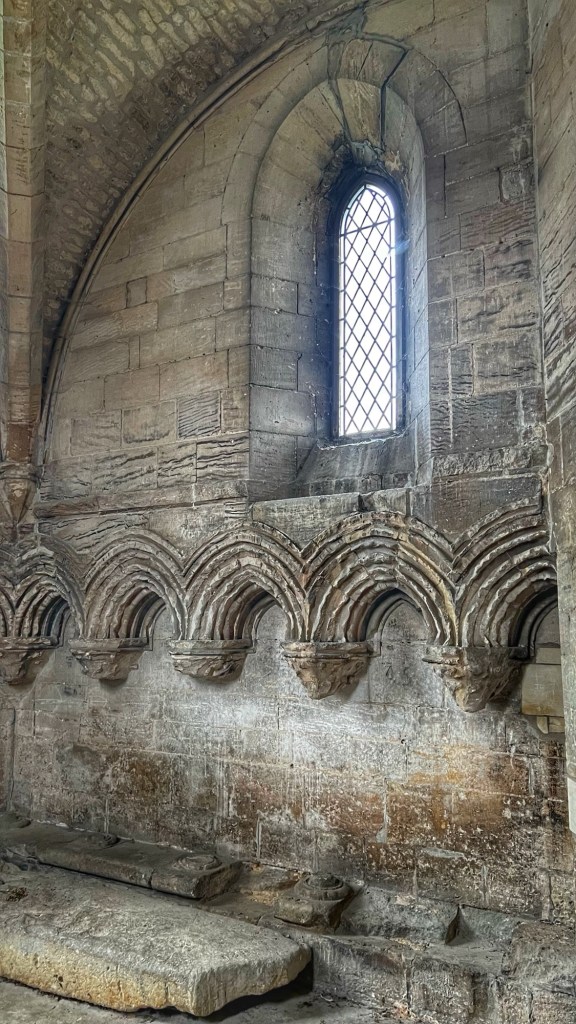
The building is open to the public during daylight hours, the door needs a bit of a push and the spiral staircase requires careful navigation but take your time and shine a light on the walls as they reveal much of what has gone before your visit. To fully immerse yourself in the place and study the walls will take a couple of hours and you will be rewarded with one of the few true Templar buildings still standing today.
Categories: British History and Folklore


 retroculturati