
A recent bout of Covid which relegated me to the confines of my sofa gave me the opportunity to rewatch an old favourite of mine. The Owl Service is from that wonderful golden age of British children’s television in the late sixties through to the mid seventies and this was adapted from Alan Garner’s acclaimed 1967 novel of the same name. This eight programme series which aired on ITV and was produced by Granada Television perfectly captured Garner’s ability to weave Welsh folklore with adolescent turmoil in a way that feels both timeless and strikingly ahead of its time. Directed and produced by Peter Plummer, it aired over the winter of 1969-1970 and whilst it may not land as well today as it did then it remains an important piece of work for any fans of folk horror.
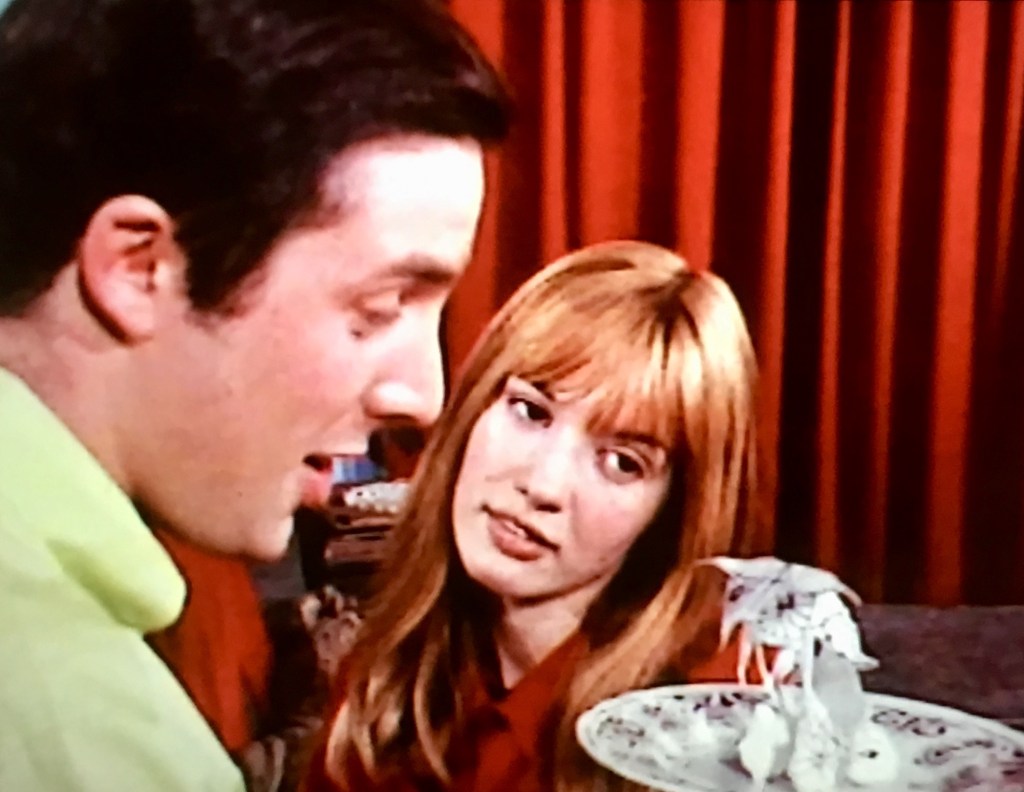
This is the story of three teenagers—Alison (Gillian Hills), her stepbrother Roger (Francis Wallis), and Gwyn (Michael Holden, no, not that one!) the son of the housekeeper—spending a holiday in a remote Welsh valley manor. What begins as little more than the bored/curiosity driven discovery of an old dinner service patterned with floral (or owl-like) designs spirals into a supernatural reenactment of an ancient legend from The Mabinogion. This leads to the wider story of class-based jealousies and sexual awakenings, typical Garner territory. The adults, including the strange gardener Huw (Raymond Llewellyn) and housekeeper Nancy (Dorothy Edwards), harbor dark secrets tied to the valley’s mythic past building on the underlying sense of eeriness whilst the man of the house strives to placate everyone including the unseen wife and mother of Alison.
Like Garner’s novels, its great strength is its unsettling atmosphere, which builds slowly throughout, there is an underlying sense of unease based on ancient beliefs and practices still practiced by the local community. Shot almost entirely on location in Dinas Mawddwy, Wales, it was Granada’s first fully scripted color production—although in typical 1970s British fashion, a technicians’ strike meant the initial broadcast was shown in black and white.
I have long felt Garner deserved a better show of his work than he ever got. This will certainly appeal to enthusiasts of the genre and era and anyone nostalgic for a lost age for children.
Categories: British History and Folklore


 retroculturati