

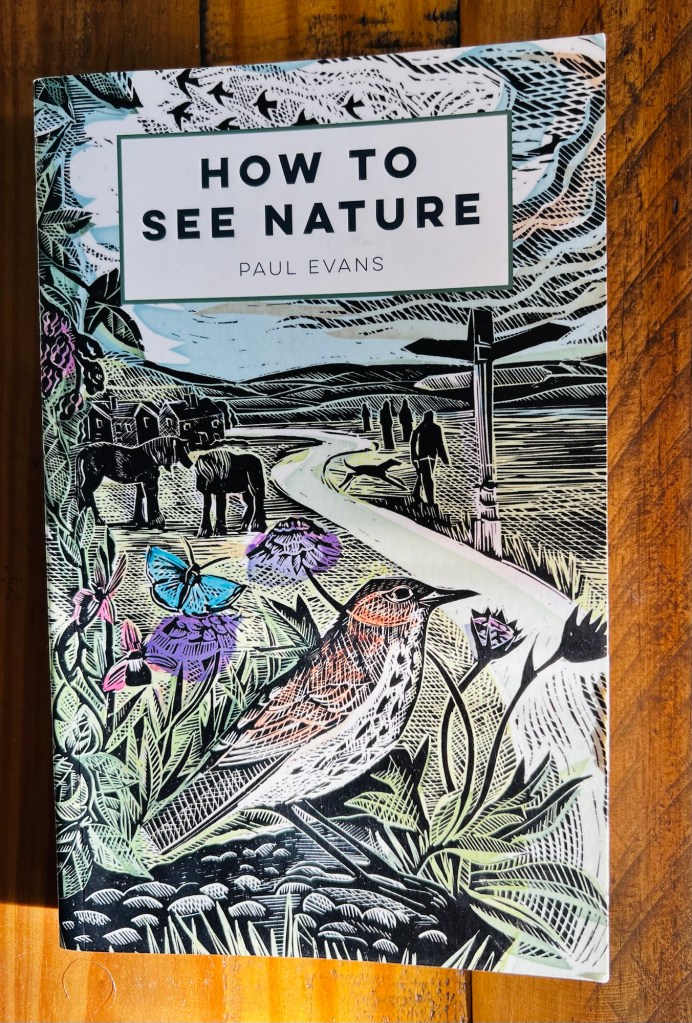
How to See Nature by Dr. Paul Evans is the third book by the acclaimed author, journalist, scientist and wanderer. Perhaps best known for his regular contributions to the Guardian’ Country Diary over many years he manages to link nature with history, science and folklore like no other.
His previous book, Field Notes from the Edge published in 2015 is one of my favourite nature books, his writing in that book alone had a profound effect on me. His writing inspired me to look much closer at my natural environment and to reconsider our relationship with it, Evans shows how folklore and old traditions have far more depth than we often realise and as he rails against the toxicity of modern life and the damage inflicted upon Mother Nature those ancient beliefs and practices resonate more and more.
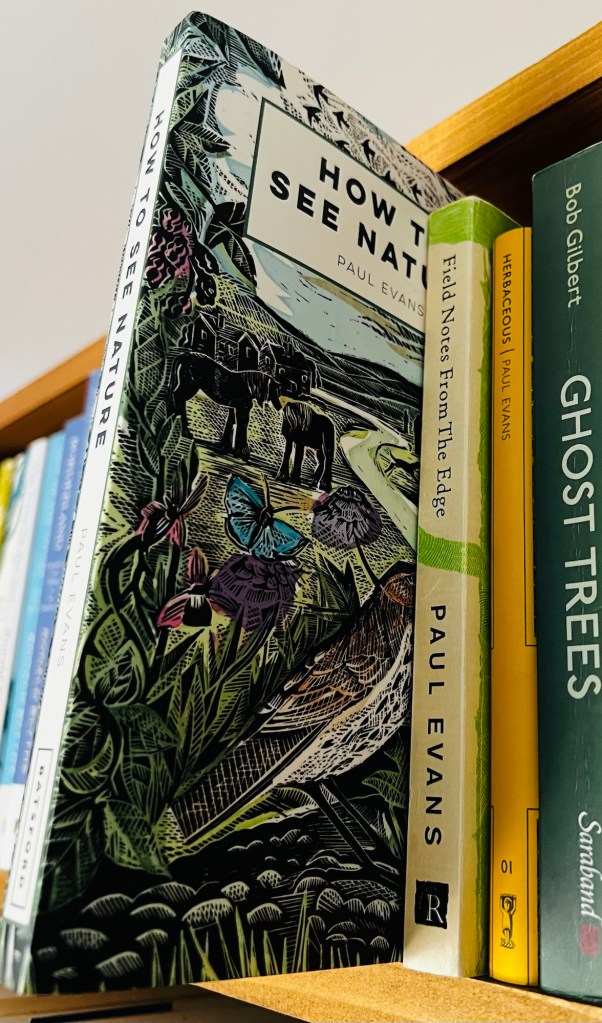
The appeal of this book is how it wanders; like one of his long countryside walks, he writes about the smaller things; those places, plants, insects and birds that aren’t as pleasing on the eye or a garden favourite, or an Instagram spot on the social media map. This instead, is a shout out to bats, rosebay willowherb, dunnocks, wasps and urban scrublands with a verse by Blake and D.H. Lawrence thrown in for good measure.
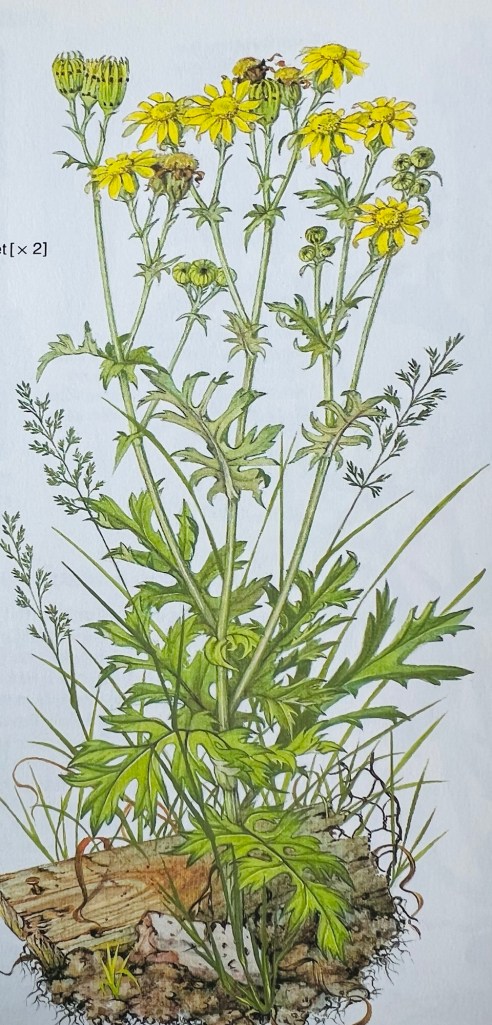
That he sees the beauty in the maligned is refreshing, ragwort is an outlaw plant to many, seen as an invasive danger to horses, few stop to consider it in any other light. But Evans has a more considered view and what it gives in particular to the insect world who feed on it: ‘A summer’s day revealed comma, red admiral, meadow brown, common blue, gatekeeper, small heath and large skipper butterflies, their flight a folding-unfolding origami in the air. The cinnabar moth caterpillars feed exclusively on ragwort leaves. A fantasia of hoverflies, robber flies, solitary bees, bumblebees and beetles feed on ragwort pollen and nectar-there was more life in an acre of ragwort than in 100 acres of arable fields’
The wonderful cover is by the artist Angela Harding, whose style is immediately recognisable and the inside illustrations are by his partner Maria Nunzia. This is a lovely book by an author who really needs to be published more.
Further reading:
Categories: Nature and Nature Writing


 retroculturati