

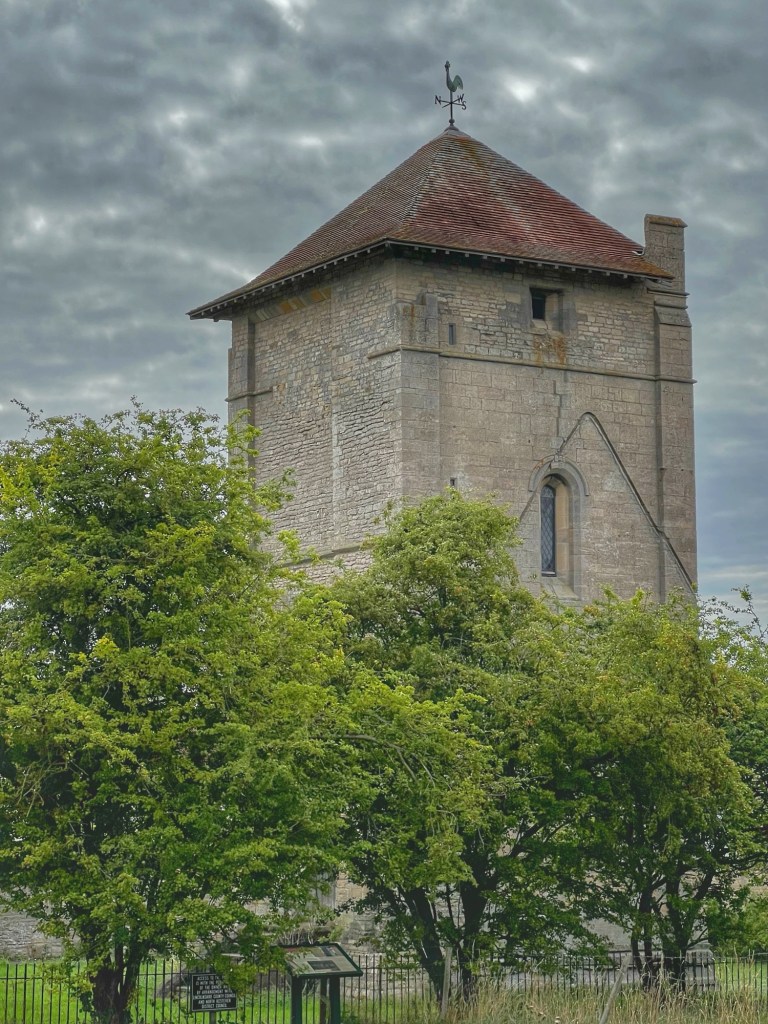
In a previous post (link below) I wrote about a recent visit to the preceptory at Temple Bruer in Lincolnshire, England which is one of the very few true Templar buildings still standing in the country. Owned and ran by the Order of the Knights Templar, it was a hugely important part of their ability to generate wealth which would aid the knights who lived and fought abroad.
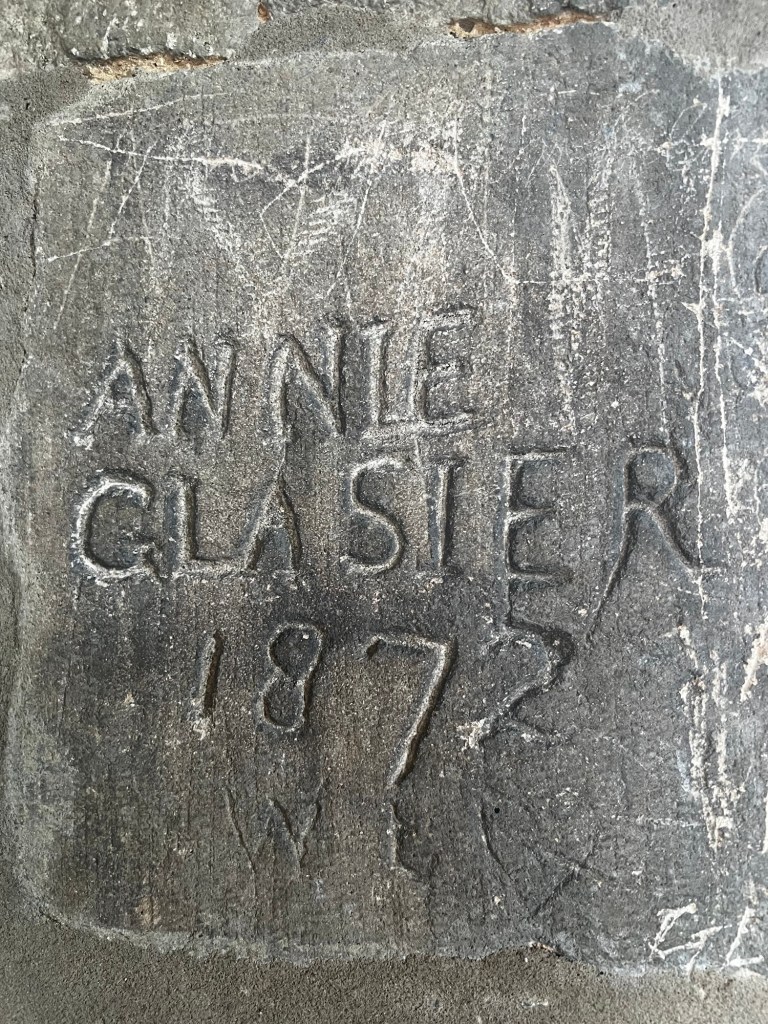
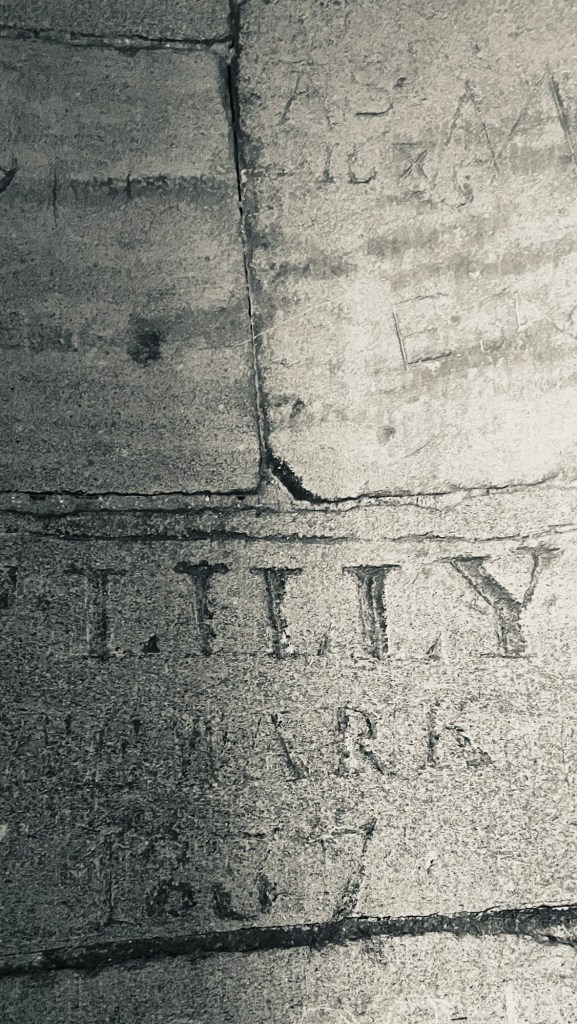
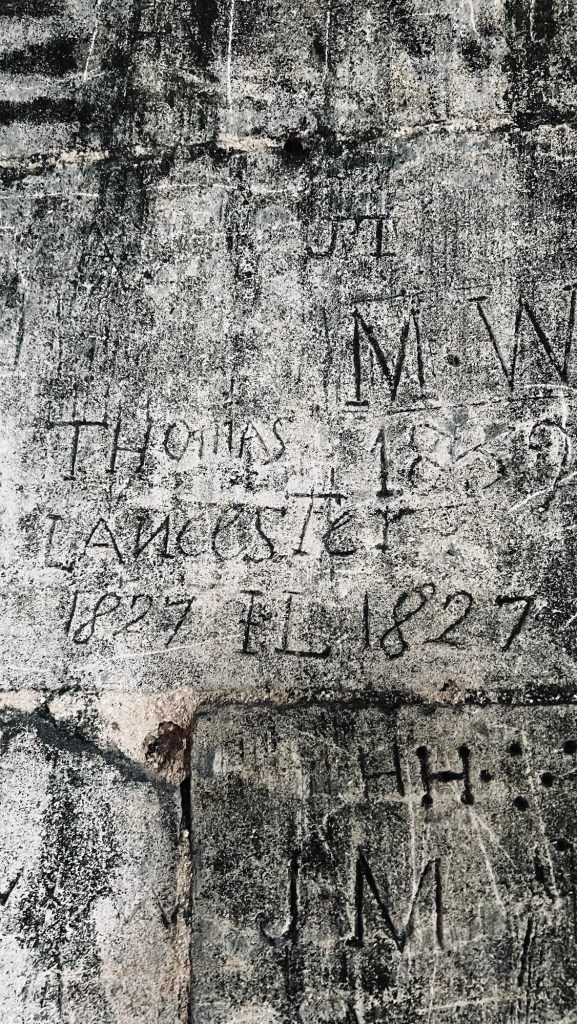
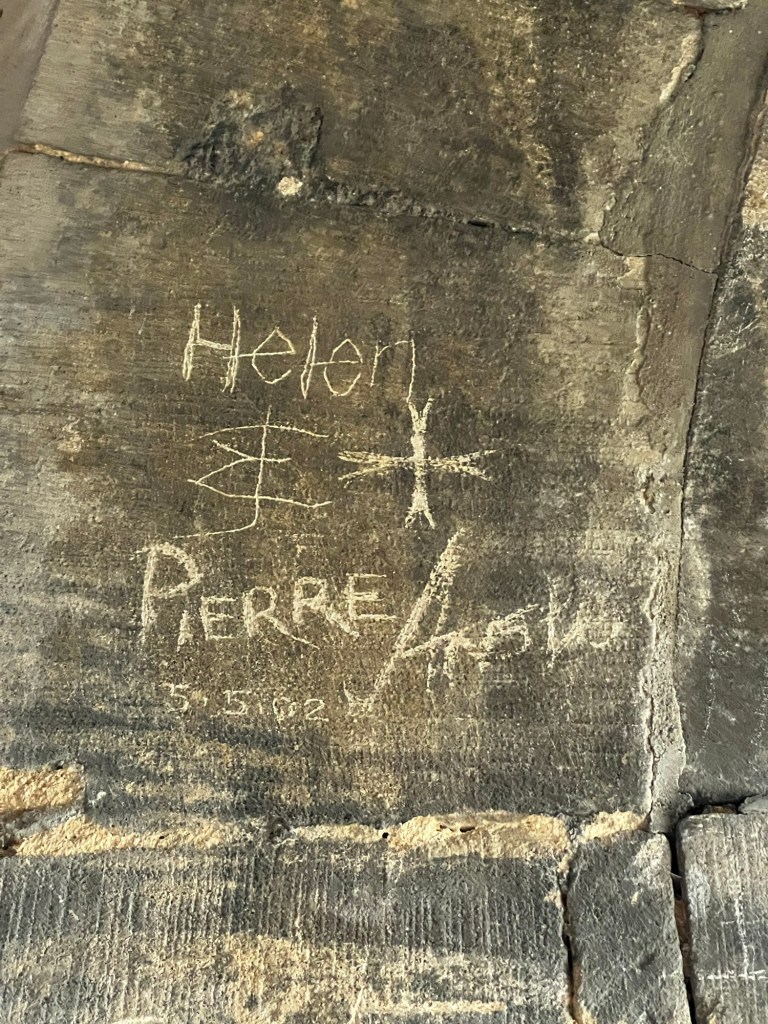
Among the many remarkable elements of this building is the sheer amount of historic (and some more recent) graffiti on the walls of both floors. Dating back to the 1600s and probably before these are the date stamped signatures of visiting pilgrims and tourists over centuries past. In the era of the spray paint can it is surprising that defacing a wall goes as far back as it does.
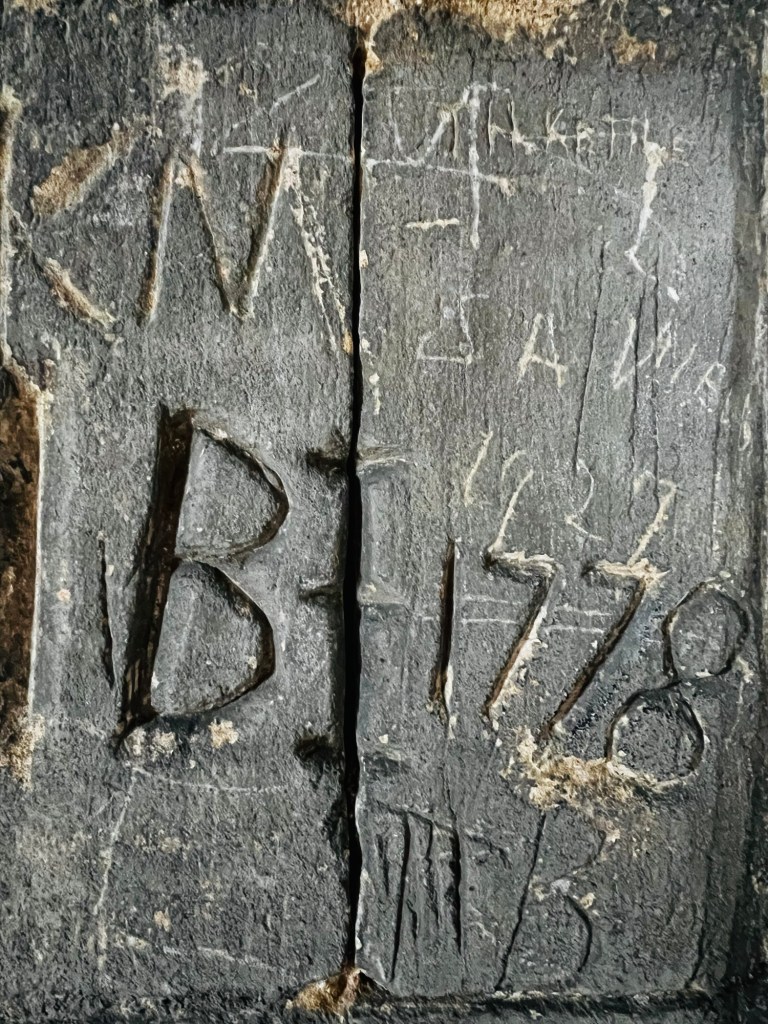
There is so much of it that it demands time and closer inspection to fully appreciate the time span and the sense of the spirit of people and place engraved in the walls. Each have their own story and to think they live in on in some sense through this time stamp hundreds of years later I find remarkable.
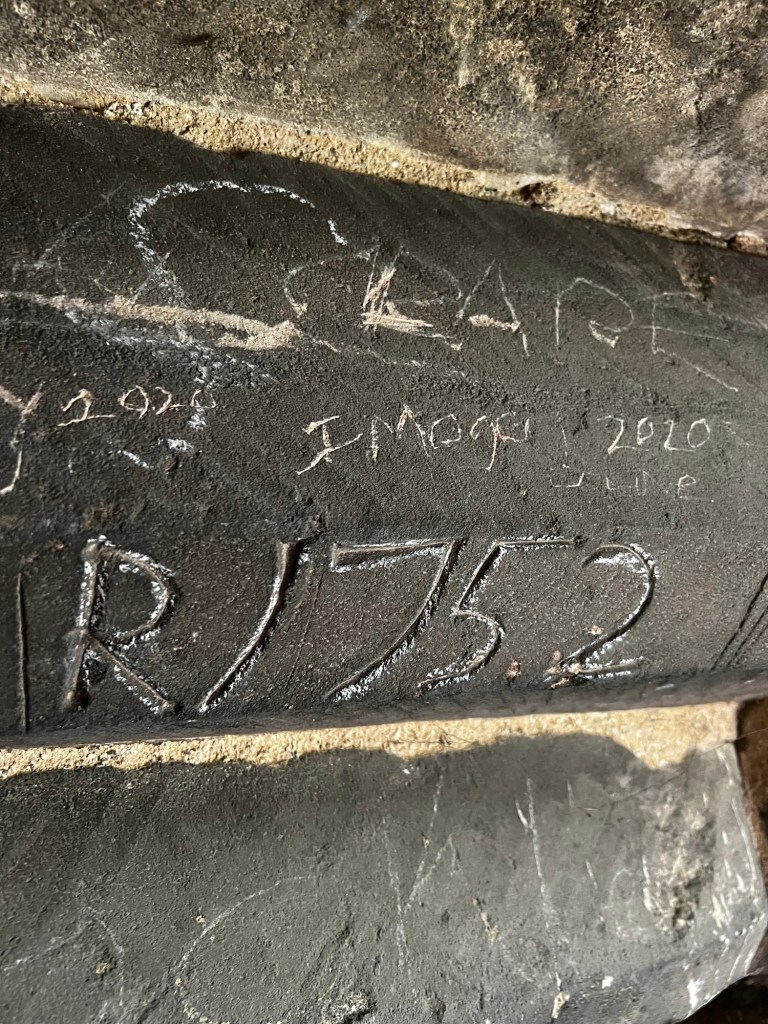
Usually I despair at the defacement of old buildings, I like graffiti when it is done in agreement with the local authorities and provides a point of artistic enjoyment but spray paint on an old wall I find depressing and nothing more than vandalism. A trip to Italy was soured by the nonsensical use of random spray painting of no artistic merit on historic buildings recently.
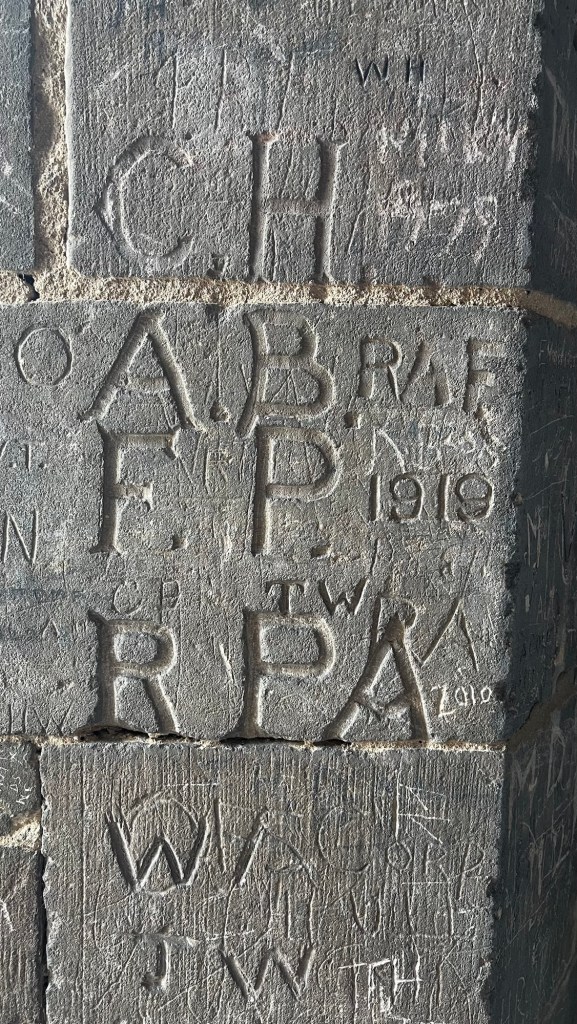
Some of the earliest markings are the most deeply etched, all are randomly placed, others lightly scratched but in between, if you look closely there’s something far more intriguing..
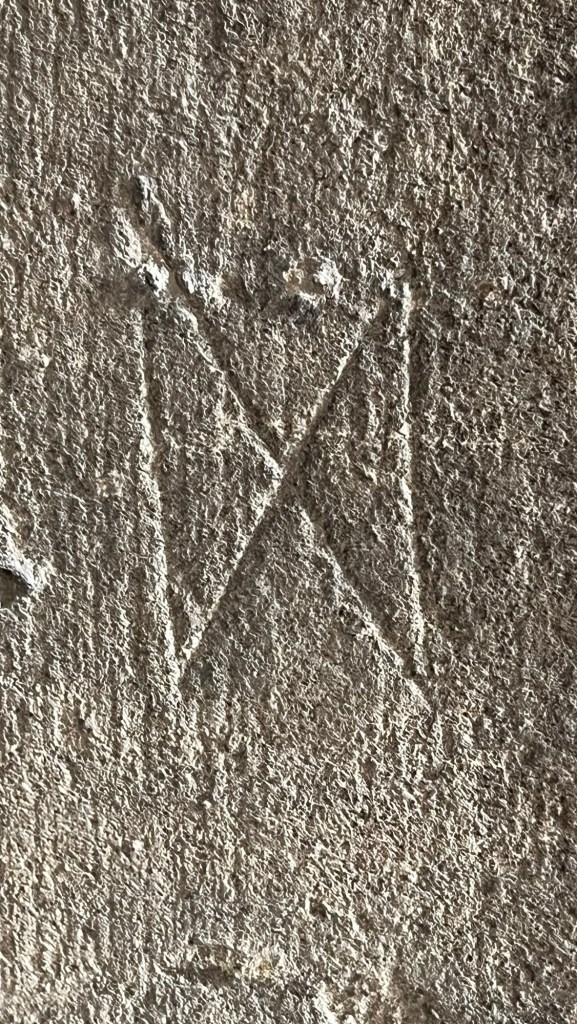
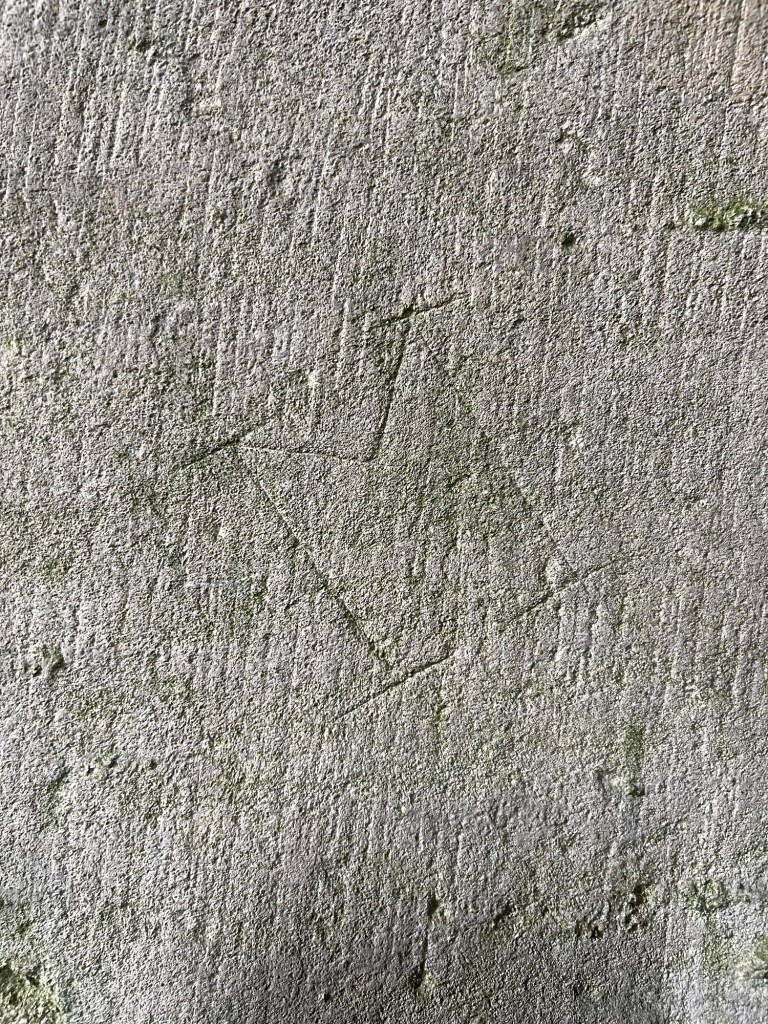
What is described as mason’s marks on the information board inside the tower is, in my opinion misjudged. Whether deliberate or not, there are markings on both floors that are unquestionably runes from the Elder Futhark, the eldest and most widespread of the runic alphabets. One rune in particular, the Dagaz (above) can be found multiple times and most especially close to windows and doors and for good reason. The Dagaz rune was used as a means of protection from evil spirits entering the homestead. Dagaz itself means ‘day’ and its shape represents the balance between two opposites, particularly light and dark. It was also carved onto doors and doorposts as a means of bringing luck.
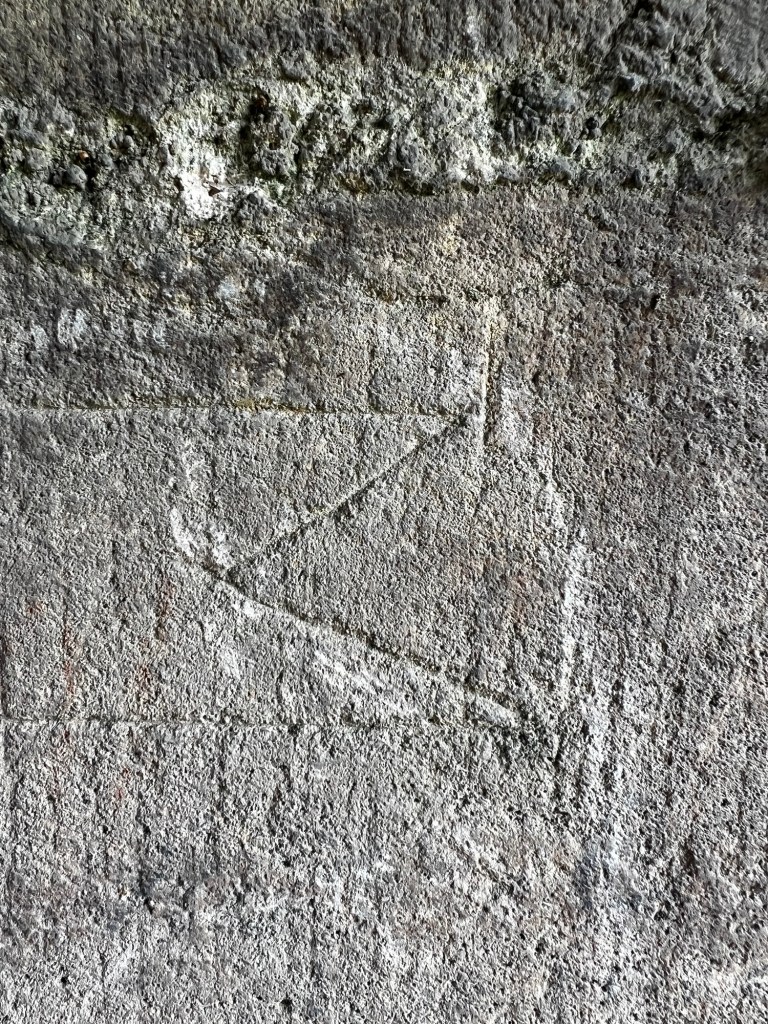
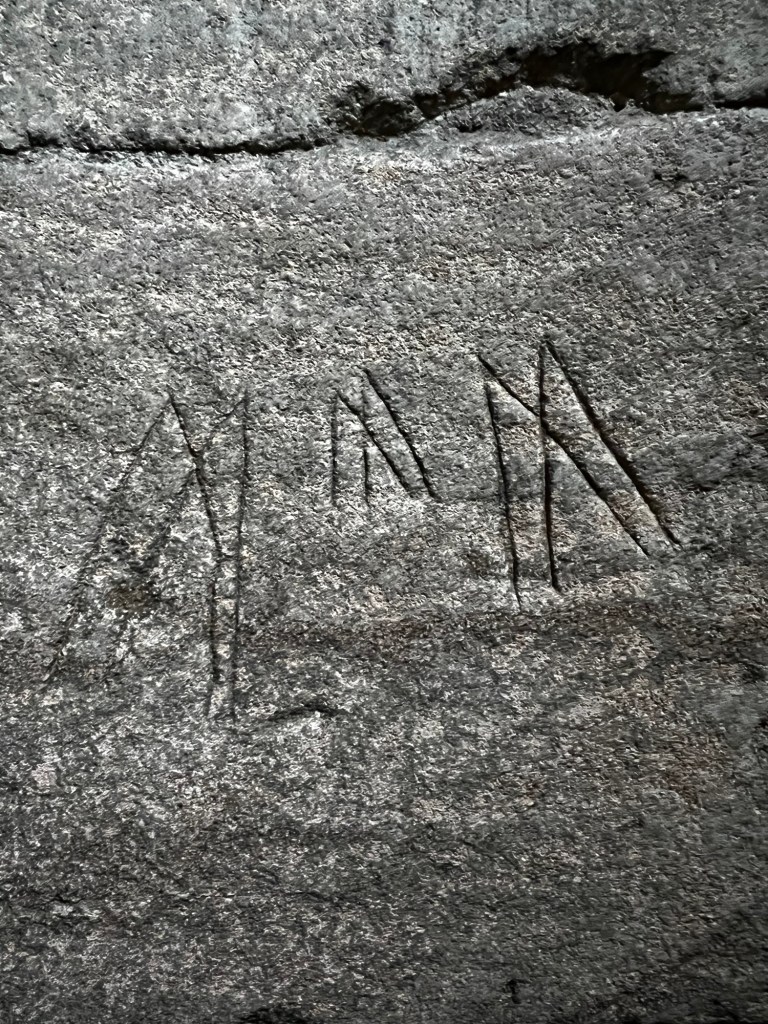
There are also a number of ‘M’s carved into the walls on both floors. This could have been a homage to’Mary’ the Virgin Mary or, if it were runic then a reference to Ehwaz, the horse rune with the horse being the most sacred of all animals during pagan times in Europe. Equally, of course, it could be the signature of a stonemason but I feel this is less likely. What probably steers me more towards a Christian meaning behind these are the markings of a double ‘M’ which could be a kind of protection and homage to Mary Magdalene, one of the Order’s most favoured saints.
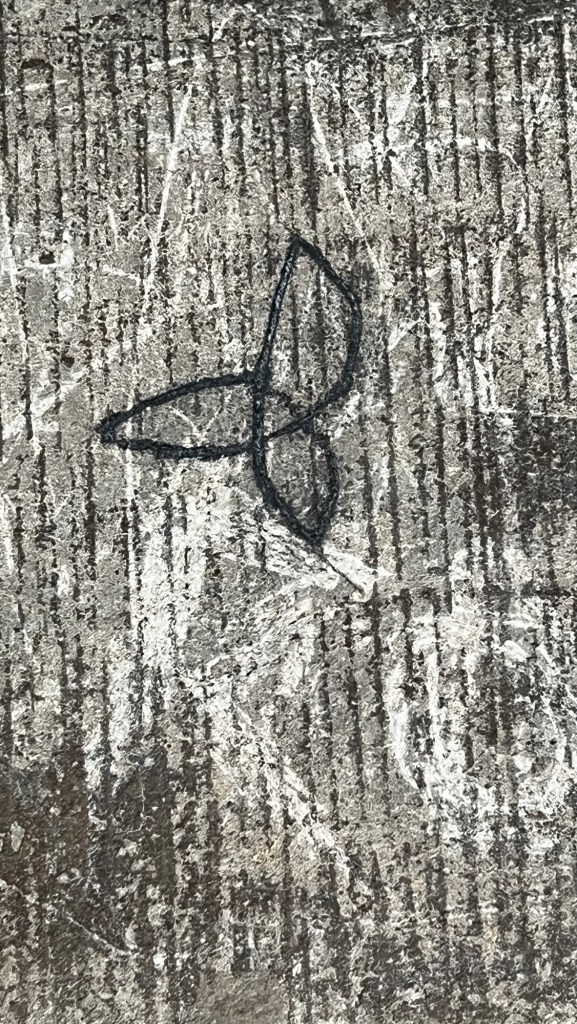
Also visible in several places is the Triquetra (below) the powerful symbol of the Holy Trinity in Christianity or the triple goddess in Paganism. It was also carved onto rune stones in Northern Europe.
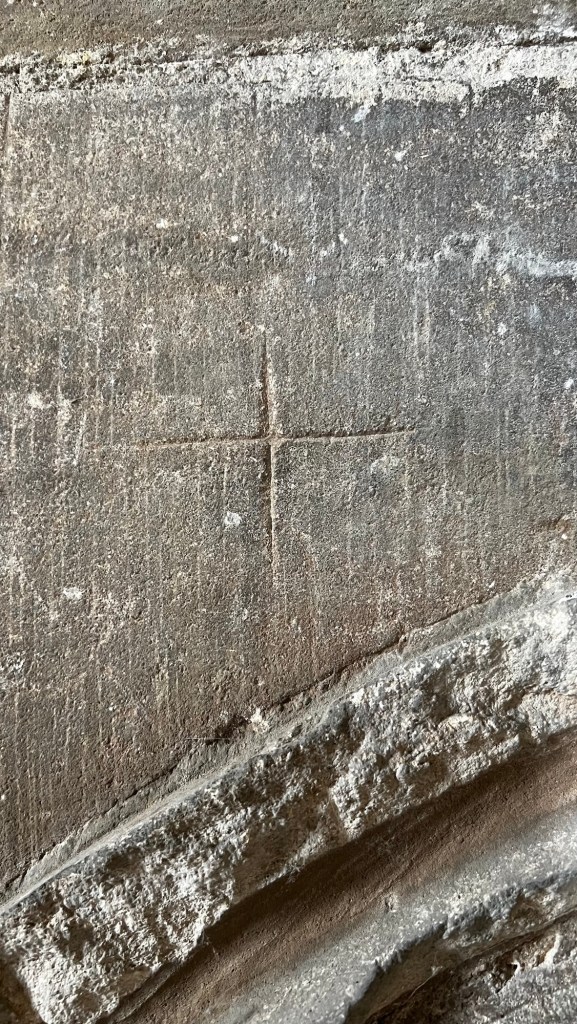
There are also a few crosses to be found on both floors which again, suggest a need to want protection from a higher source. Despite Christianity’s sweep across Britain the hangover from pagan worship was a long one, mostly driven underground but the more astute religious leaders realised the importance of bringing these old ways with them rather than cancelling them outright. There is a strong belief that this Templar church was built on an ancient pagan burial site which, if true would have been well known by the masons and the locals. These symbols can also be found at other Templar sites in the county adding to the mystery.
There are a number of mason’s marks which were very common form that period. Many older churches will feature stone caricatures of the masons themselves and on these walls there are lots of random markings which could have been to distinguish one mason from another or a numbering system to show days worked or starting and finishing points.
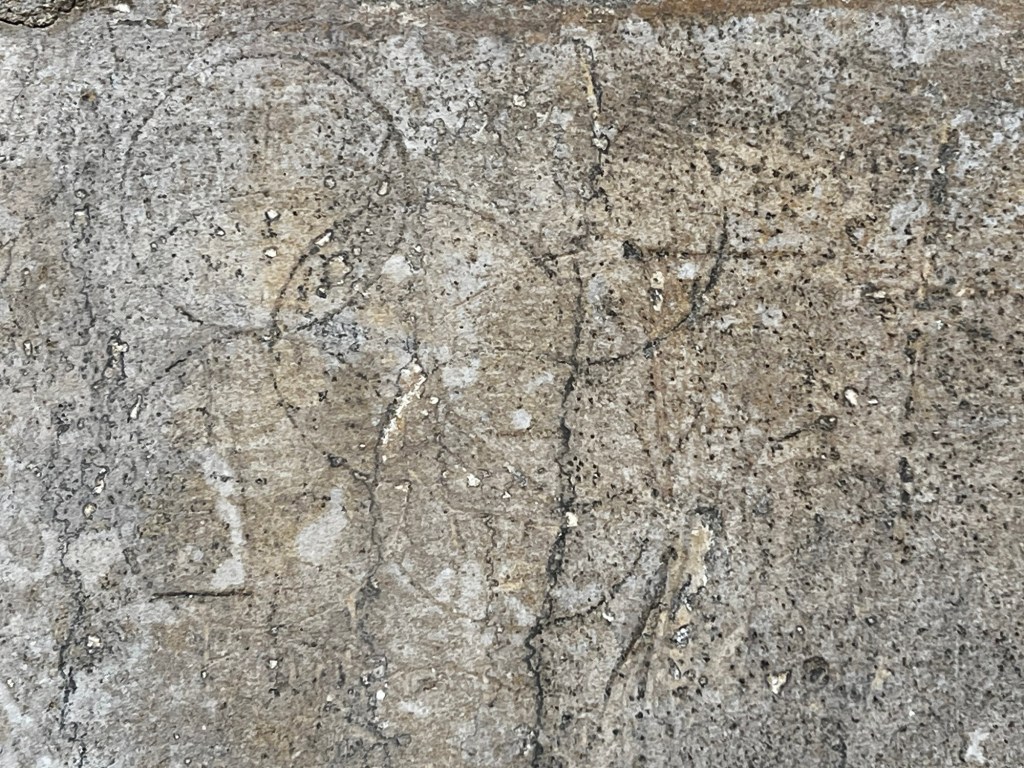
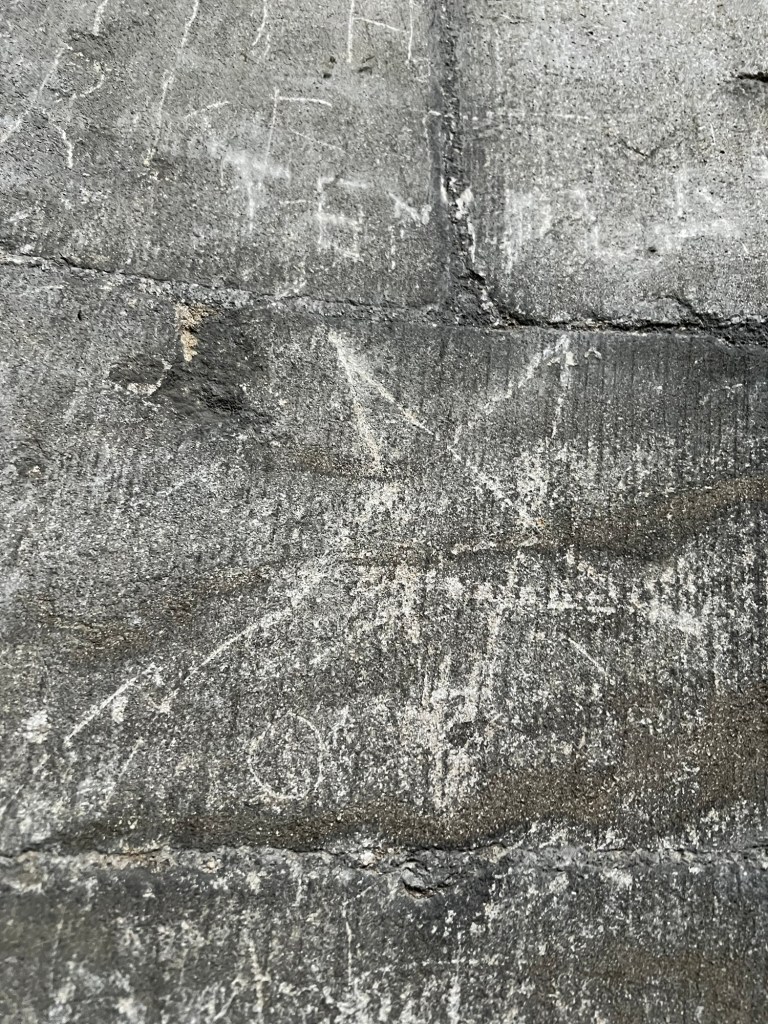
Whatever one’s theories might be this is without doubt a very important part of the Templar story given the tales told of the Templars, many of which were made up to discredit the Order there remained an air of violence against them. Previous discoveries reveal the remains of bodies seemingly contorted in shape from the agony of their deaths and it is therefore not surprising that those who loved or visited there would want to protect themselves from the harm of the spirits which they believed inhabited the place.
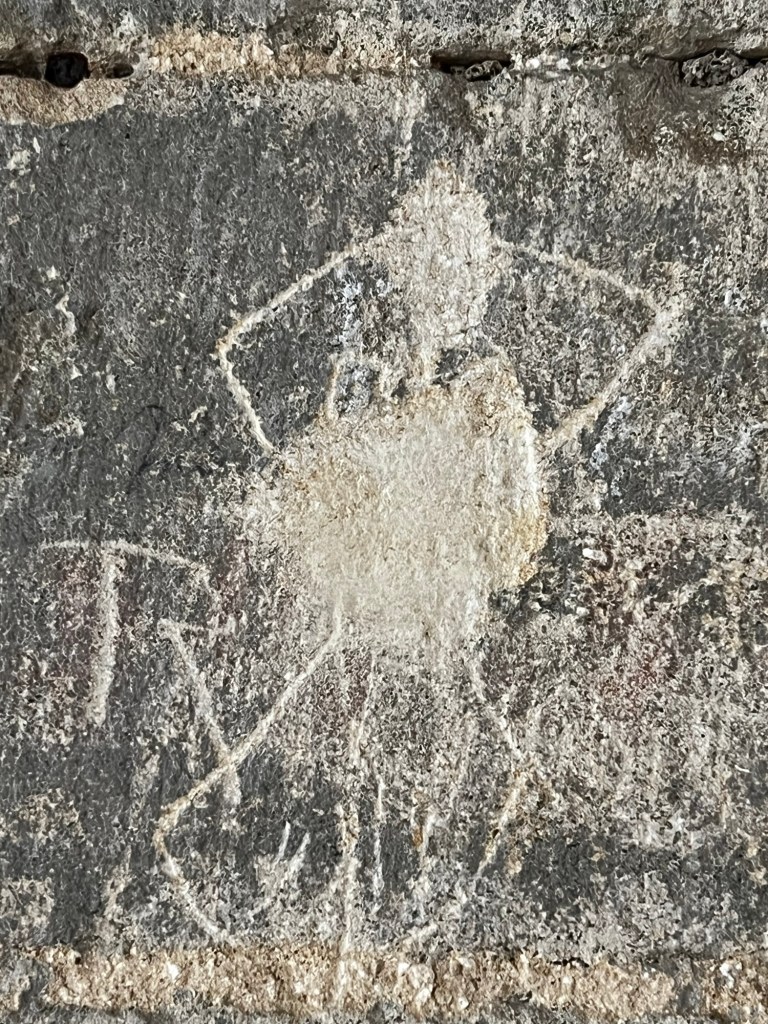
For more information on Temple Bruer, see here: Temple Bruer, Lincolnshire
Finally, some more examples from the walls:
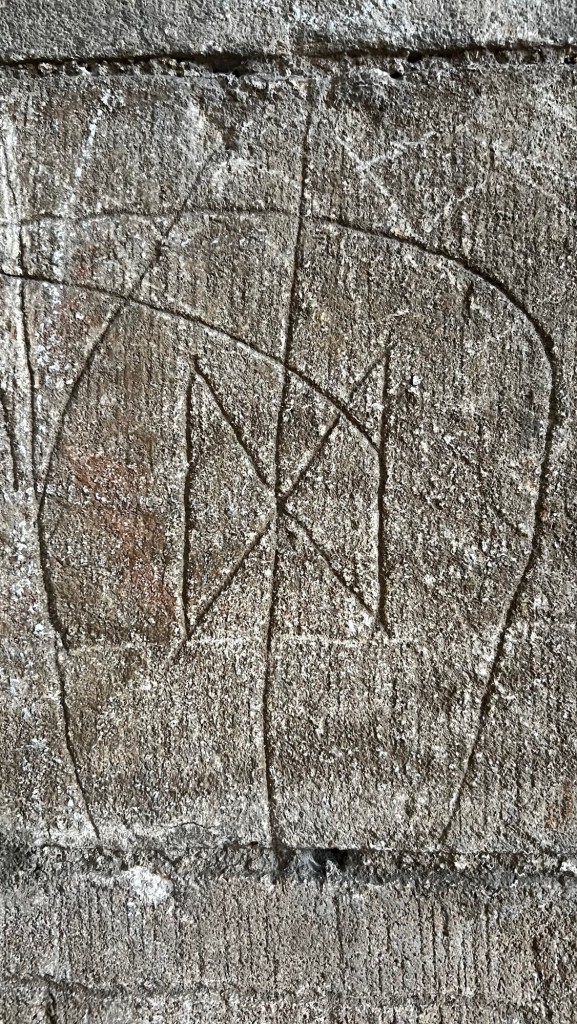
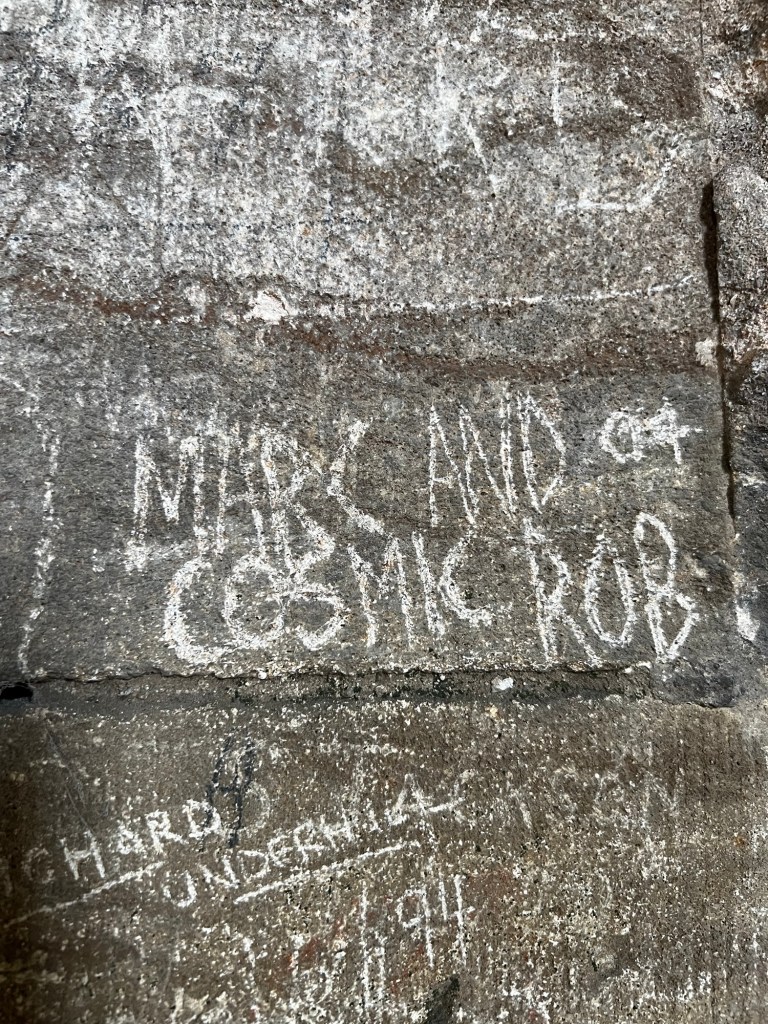
I shall leave the last word to ‘Cosmic Rob’!..
Categories: British History and Folklore


 retroculturati