

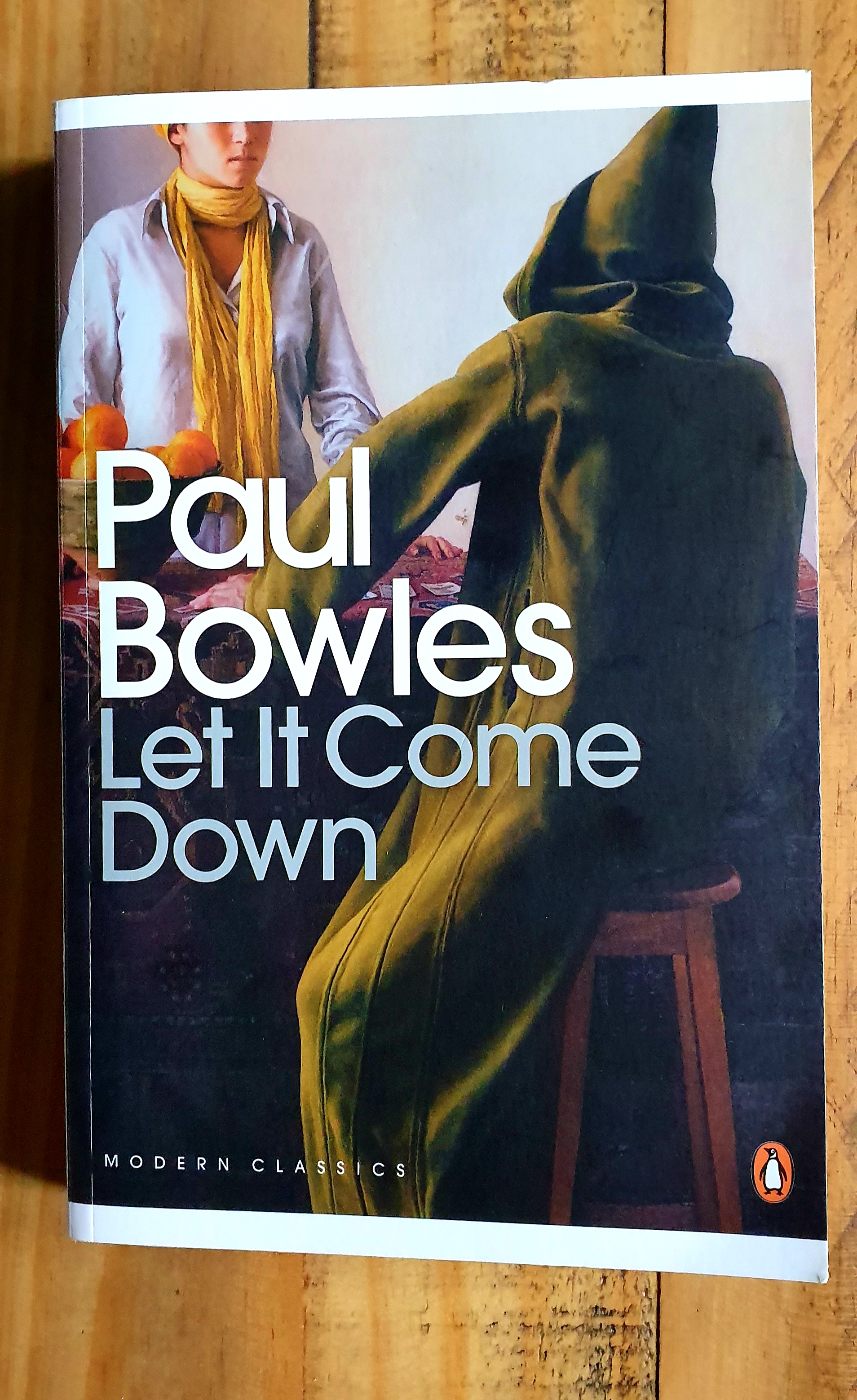




Fifty years ago, in 1975, Iain Sinclair self-published the first of his seminal works, Lud Heat. Despite Sinclair’s own reservations the book came to be viewed as the basis for the evolution of English psychogeography with the Hawksmoor churches of East London as its central theme.
The book was originally published by Sinclair’s own Albion Village Press with this edition reprinted in 2012 by Skylight Press. The cover photo is by Sinclair and illustrated throughout by his close friend Brian Catling who also drew the maps detailing the churches and their positions. Catling, like Sinclair was one of the key contributors to the British avant-garde poetry scene of the late sixties and early seventies and regularly appears in Sinclair’s other works.
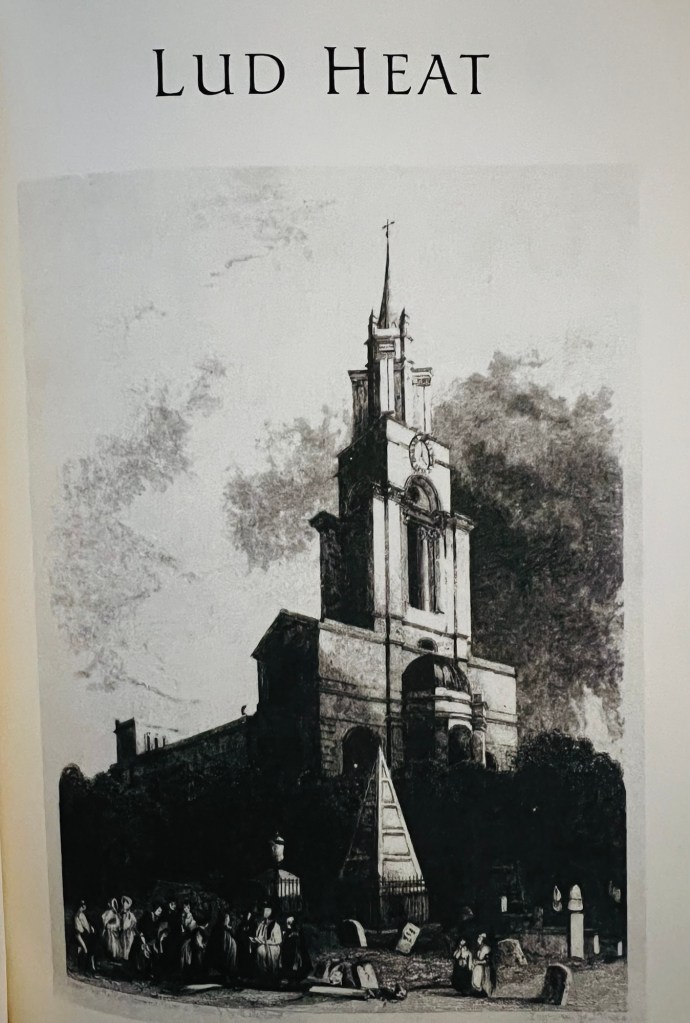
“The churches are angry. They sweat at night. Their stones remember the pressure of the pyramid.”
Nicholas Hawksmoor built these famous white buildings in the early 18th century under the 1711 Act for Fifty New Churches. Whilst working as a gardener in the area, Sinclair discovered that if you plot St George-in-the-East, Christ Church Spitalfields, St Anne’s Limehouse and the rest on a map, the lines between them form a rough pentagram shape. And so the connection between the city and the occult came into focus for Sinclair. These lines become ley lines with the pentagram holding a deep, darker power within it.
It seems unlikely that Sinclair would have any idea of how this book would go on to influence so many. Peter Ackroyd could not have written Hawksmoor ten years later without it, Alan Moore was an admirer in From Hell and despite Sinclair later distancing himself from the book’s central claims its legend lives on.
Anyone familiar with Sinclair’s work will not expect an easy read, it’s a book which is either impossible or enthralling with seemingly no space to exist in between. Look out for references to Egyptian gods, the Kabbalah, Aleister Crowley, Blake, President Kennedy and Howard Hughes all woven together with the thread of counterculture. This book feels like the vessel from which all those that followed Sinclair’s lead would drink from. It is a haunting, brilliant book from an assistant gardener who looked up from his digging and saw a hidden world.
Linked reading:
Categories: British History and Folklore, The Reading Room


 retroculturati