


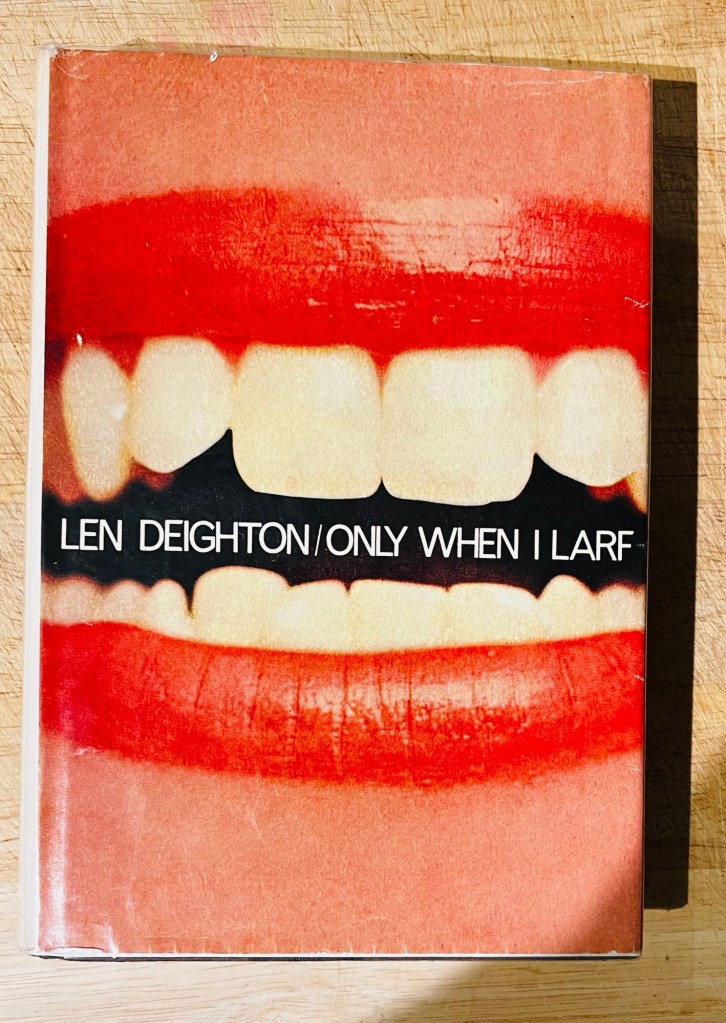
Sad news today, Len Deighton the famed author of gritty, no nonsense, anti-establishment spy novels has died at the remarkable age of ninety seven.
Born on February 18, 1929, in Marylebone, London, his upbringing was quite unlike his contemporaries such as Ian Fleming and John Le Carré which doubtless helped shape his unique style which served as a welcome foil to the plethora of James Bond copies during the mid to late sixties.
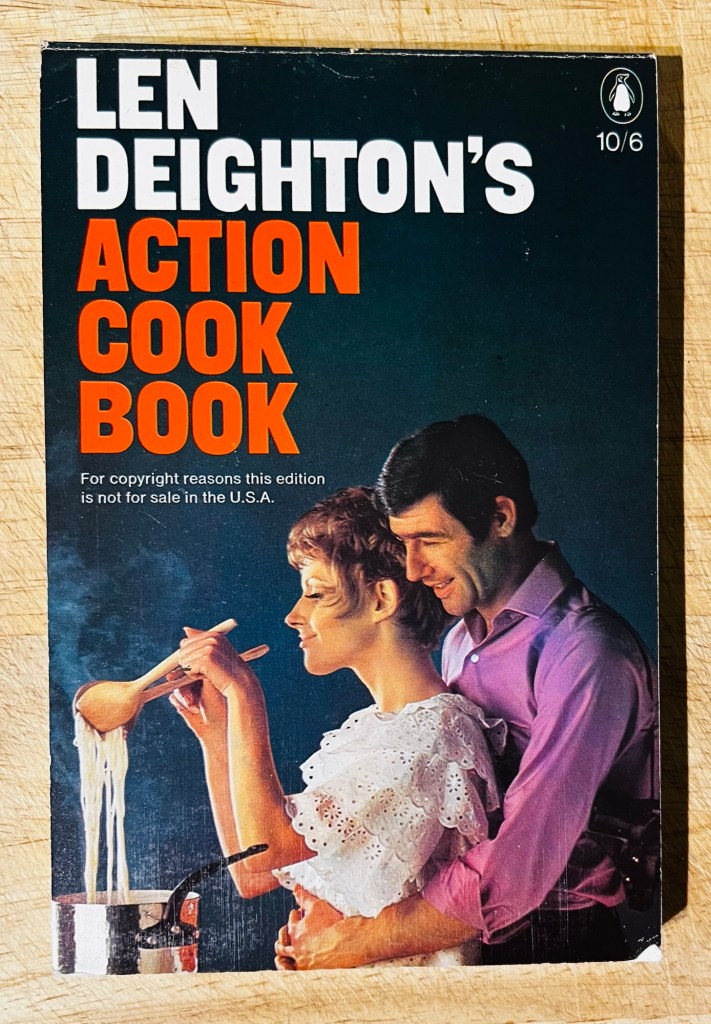
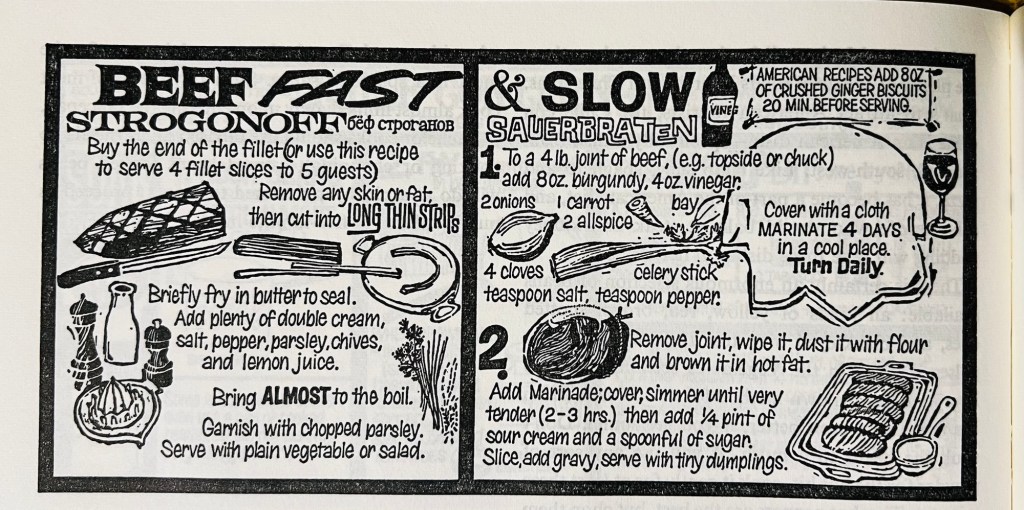
He first worked as a commercial illustrator, contributing cookery cartoon strips to The Observer newspaper which, coupled with his interest in cookery, led to his bestselling cookbooks Ou est le Garlic? (1965) and Action Cook Book (1965), amusing books designed to teach men how to cook sophisticated meals for the ladies.
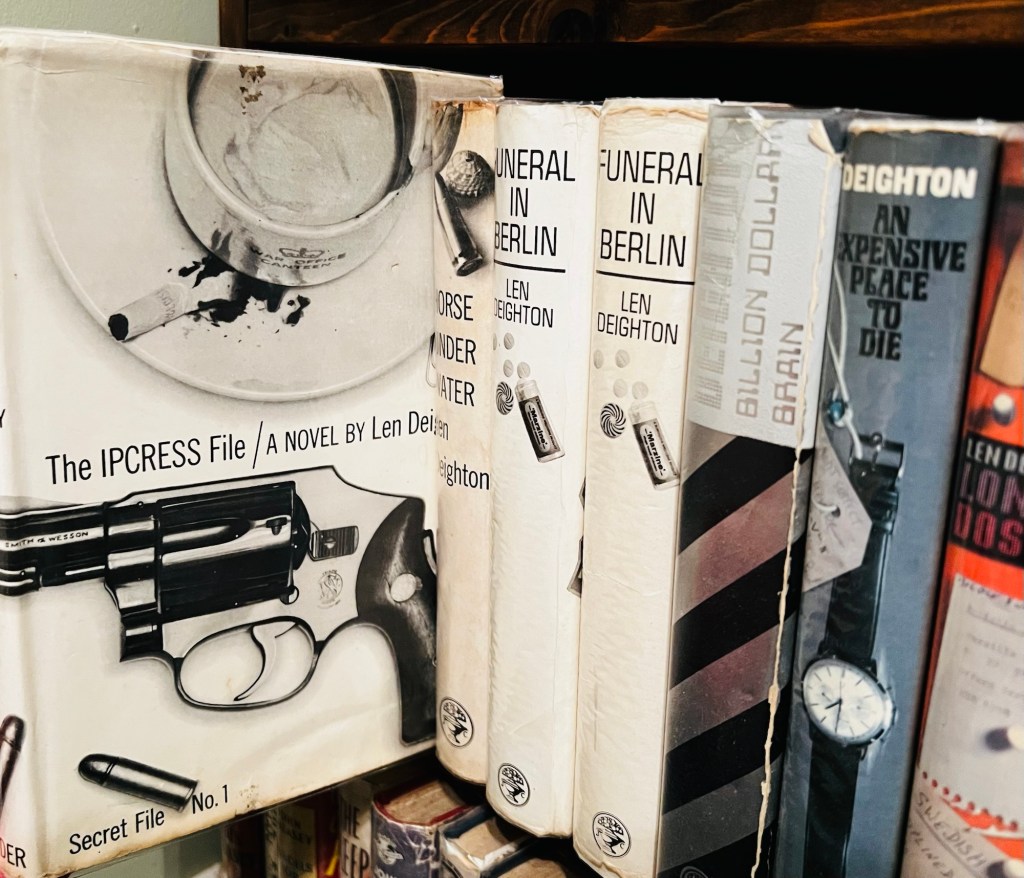
Deighton shot to fame with The Ipcress File (1962), a cynical Cold War thriller featuring an unnamed intelligence officer who swapped the gadgets, girls and exotic locations for working class flats, dingy offices and sarcastic wit. The novel’s success was further enhanced by its 1965 film adaptation starring Michael Caine, which put both the actor and the character (retroactively named Harry Palmer for the sequels) onto the world stage. This was followed by further Palmer novels—Horse Under Water (1963), Funeral in Berlin (1964), and Billion-Dollar Brain (1966)—with Funeral in Berlin being one of my favourite spy films of all time.
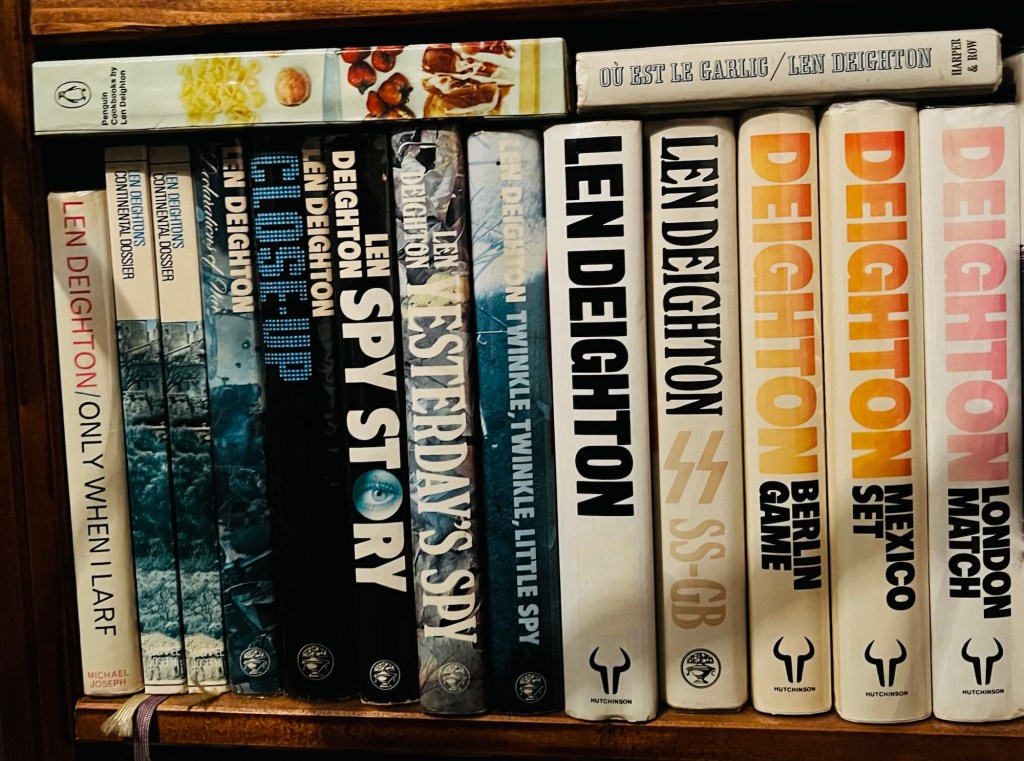
In the 1980s and 1990s, Deighton returned to espionage with the truly brilliant Bernard Samson trilogy (Berlin Game, Mexico Set, London Match) and its sequel trilogy (Spy Hook, Spy Line, Spy Sinker), followed by the final three books (Faith, Hope, Charity). For me, and many others, Berlin Game is possibly the greatest spy novel of all time, why a ‘proper’ film/tv series was not made of this will forever baffle me.

Deighton was a keen and well read follower of military history which led to his writing the classic Bomber (1970)—a brilliant account of a single WWII RAF raid—and Blood, Tears and Folly (1993), alongside short stories, travel writing, and scripts (including uncredited work on Oh! What a Lovely War).
Deighton retired from writing after Charity (1996), and in truth, it was probably a book or two too far. The series became disjointed and lacked the depth and quality of Game, Set and Match. But it did little to affect his reputation, he was an outstanding author who gave Le Carré a very good run for his money.
Further reading
Len Deighton Book Club Editions
Len Deighton’s Continental Dossier
Len Deighton’s Perfect Saturday
Categories: The Reading Room


 retroculturati