



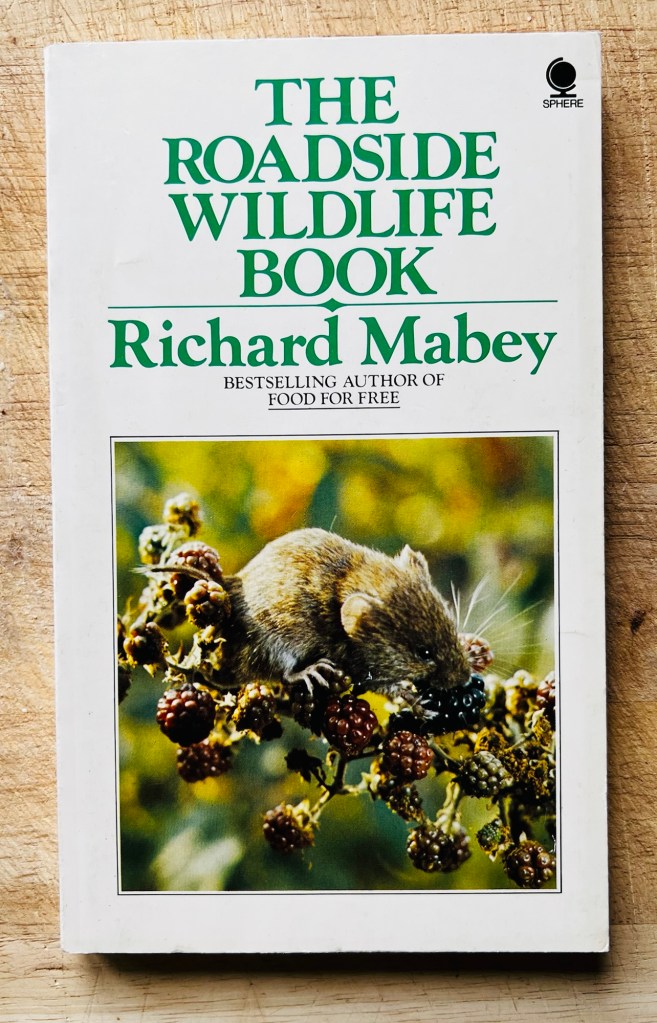
The Roadside Wildlife Book by Richard Mabey was first published in 1974, a continuation of sorts of his renowned The Unofficial Countryside a year earlier. Published by David & Charles and then in paperback by Sphere, it is in terms of data, of its time of course, but in every other way, it serves as a timely reminder of what we overlook on a daily basis.
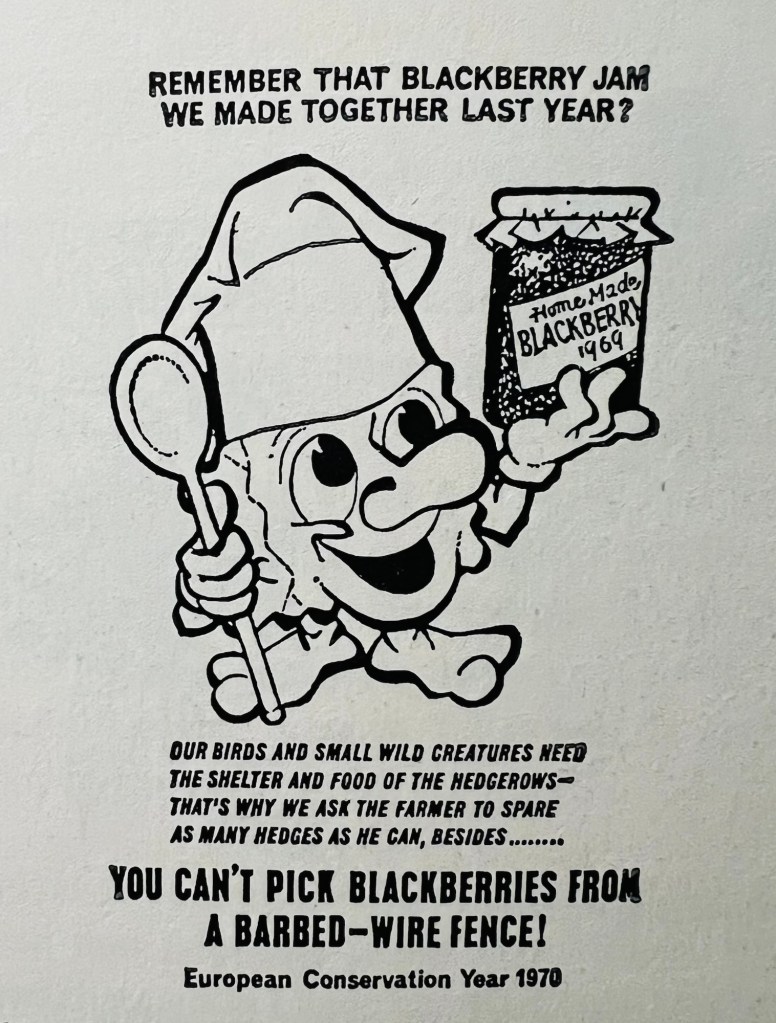
This was, like The Unofficial Countryside, a radical book. Mabey’s contribution to nature conservation cannot be underestimated, a young man who brought home the damage done to wildlife by intensive farming, house and road construction and pollution, he was at the forefront of a new wave of writers bringing our declining landscape and wildlife population to an audience largely ignorant of such matters.
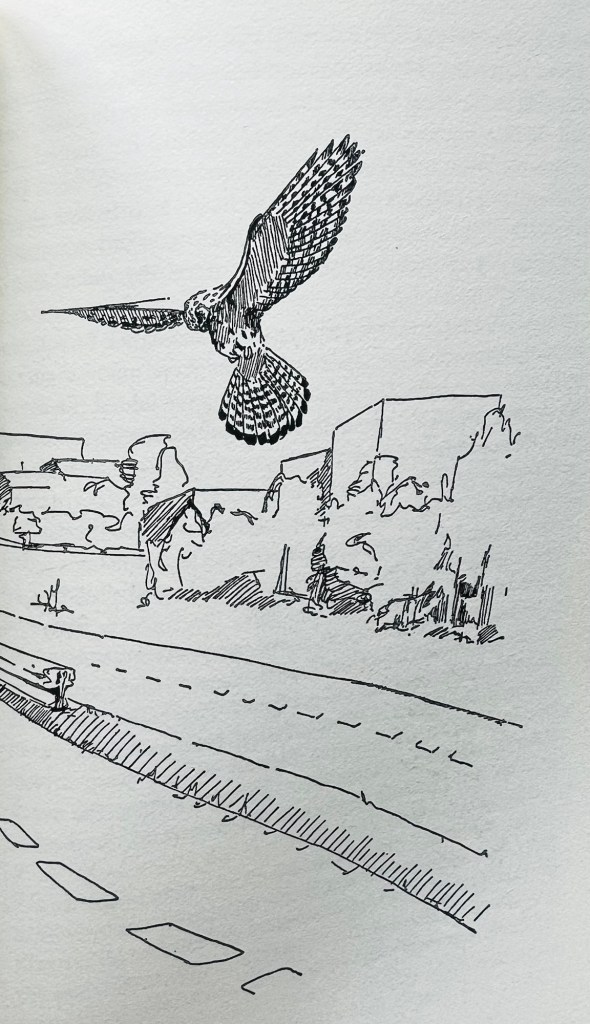
In this book, Mabey studies the “humanised landscape” created by roads. Rather than lamenting habitat loss from new infrastructure, he gives hope by offering an alternative in which roadsides and verges can exist as places rich in habitat that have learnt to adapt to traffic, pollution, disturbance, and the unique microclimates of urbanised areas. This, I believe, is where Mabey succeeded where others haven’t, he avoids lecture and anger for favour of polite education and new ways of thinking. His love of nature is endearing and gives gravitas to his case.
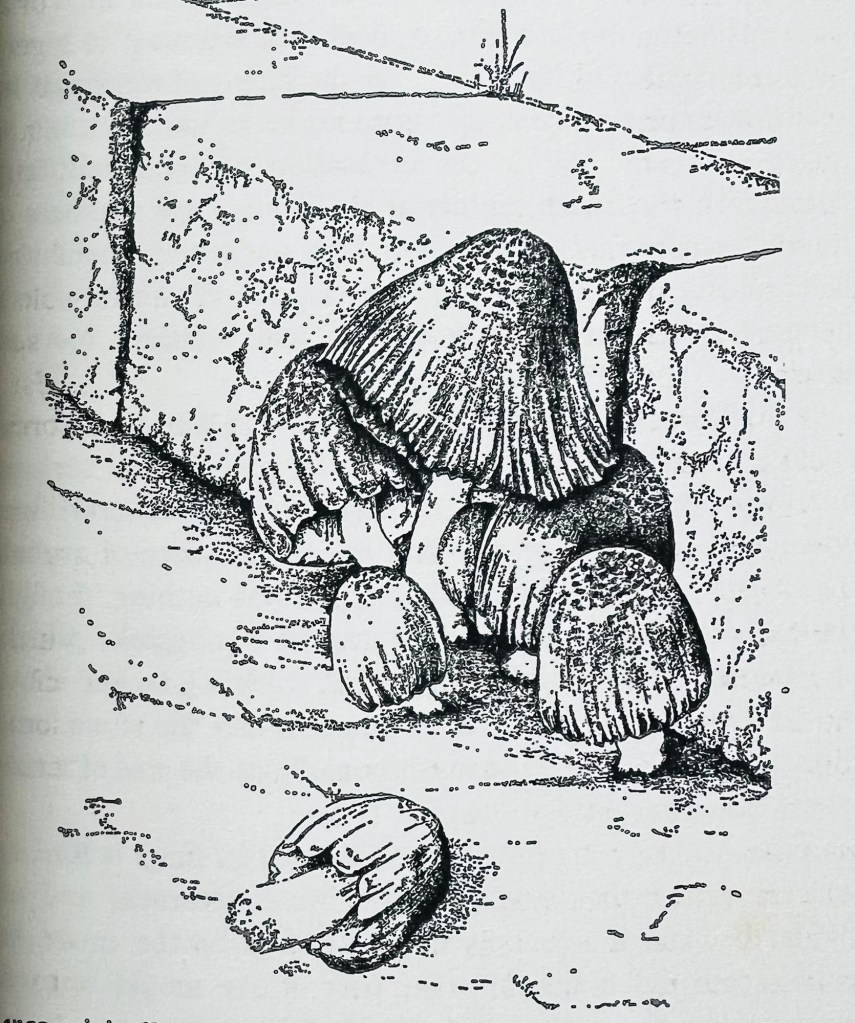
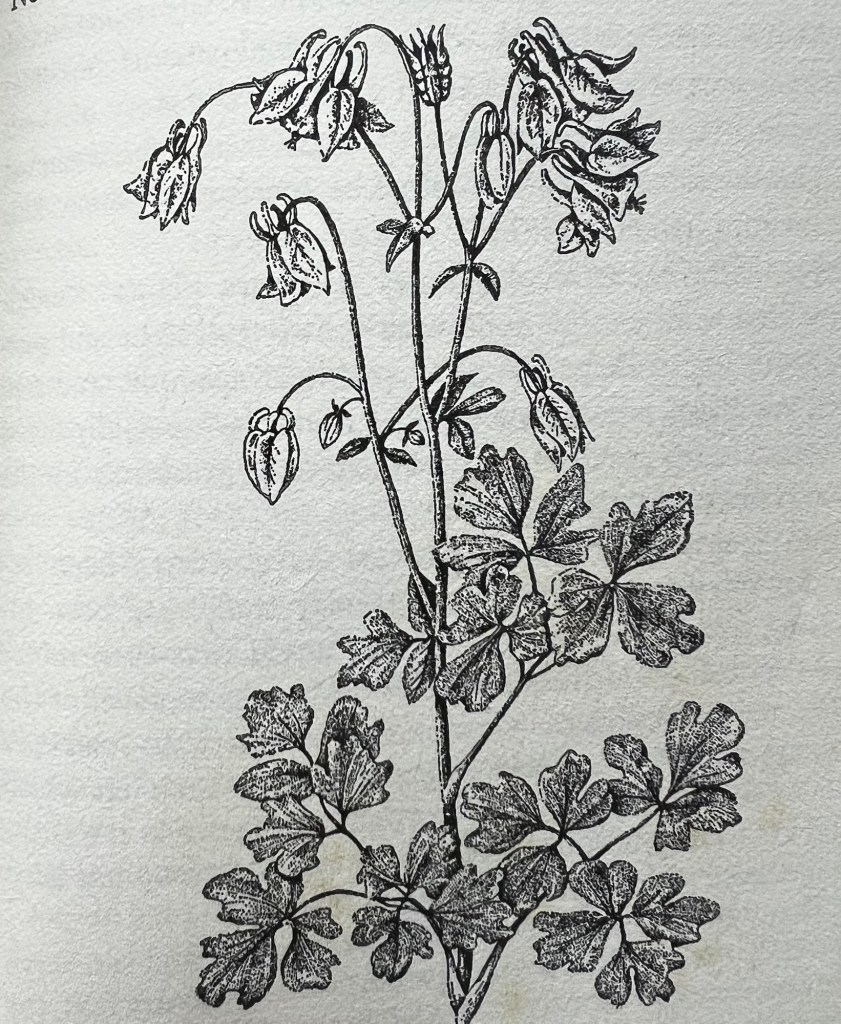
Illustrated by Joyce Tuhill and Alastair Robertson along with numerous black and white photographs, it is still, such a useful book to have. It is easy to think of all things climate change as a relatively recent construct but Mabey was at this fifty and more years ago. He explains how plants get to where they grow, he isn’t afraid to show how some plants for example, have benefited from the building of new roads or how hedgehogs have begun to learn car evasion tactics.
One might be forgiven for skipping past the data given for the early 1970s as not relevant today but I would argue the opposite. When Mabey talks of the thousands of oak trees lost every year or the six million tons of carbon monoxide produced by cars in a single year, we can compare like for like and get a sense of what we have achieved in cutting emissions and halting the destruction of our countryside, if at all.
Throughout the book I feel an underlying sense of both charm and something lost, there are reminders of my childhood and that time of discovery, long days in the countryside, family picnics on the verges, blowing dandelions into the breeze…
Further reading:
Categories: Nature and Nature Writing


 retroculturati