

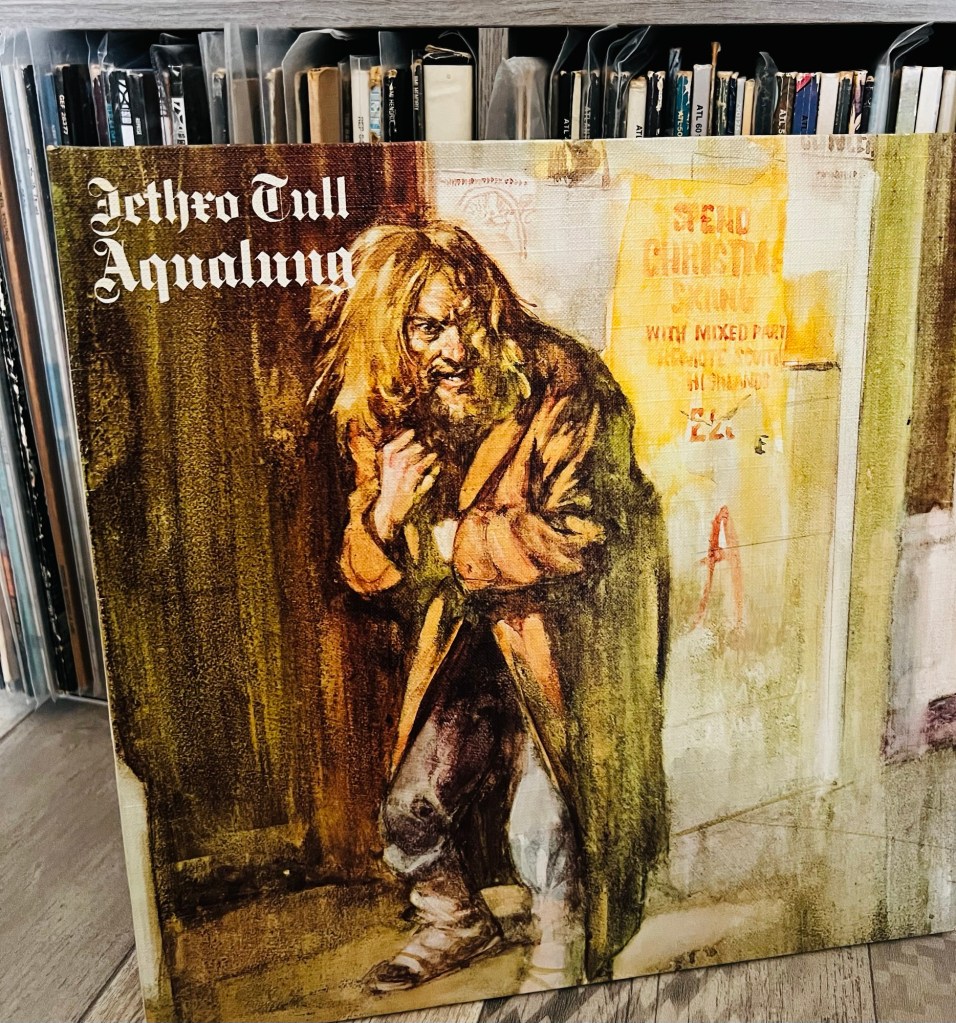
I wonder how many albums we have listened to over the years and can say we truly love every track? I’d imagine there aren’t that many. For me, one such album is Aqualung, by Jethro Tull. For me, their best album.
Released in March 1971, on the Chrysalis label, it was not a concept album as many believe and nor were they purely a prog-rock band. I always felt Jethro Tull were too eclectic to pin a label to, if you listen to them from the earliest recordings you will hear blues, rock, folk and hard rock. This was their fourth album, since 1968 they had released an album a year beginning with This Was, followed by Stand Up and Benefit.
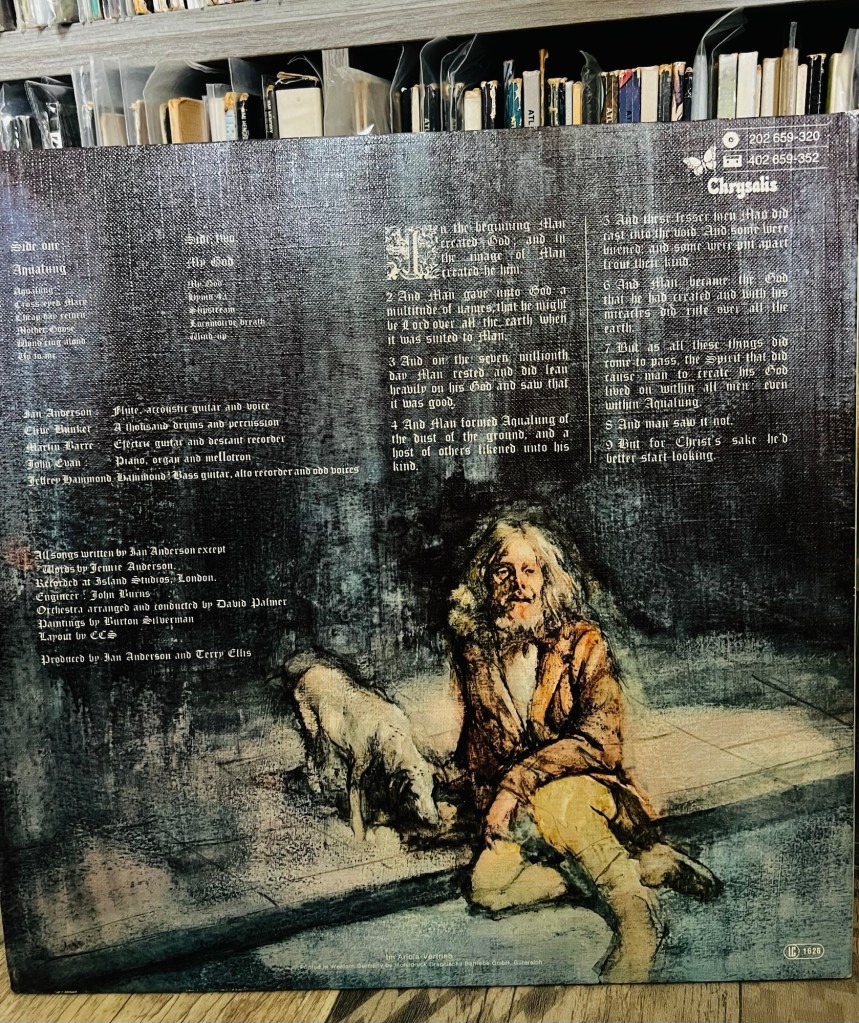
By the time of this album the band consisted of lead singer/flute player and band leader, Ian Anderson alongside guitarist Martin Barre, bass player Jeffrey Hammond, keyboardist John Evan and drummer Clive Bunker. The musicianship on the album is outstanding, I always admired Barre’s playing in particular, he was never regarded as top tier but he was the perfect fit for Tull and was a cornerstone to the band’s success.
The title track is the best known and the most controversial, the idea came from a series of photographs taken by Jennie Anderson, wife of Ian whilst observing the homeless on London’s Thames Embankment. One ‘tramp’ in particular caught her eye and she helped pen the lyrics to a dark song: Sitting on a park bench, eyeing little girls with band intent. Snot running down his nose, greasy fingers smearing shabby clothes. Drying in the cold sun watching as the frilly panties run, feeling like a dead dug, spitting out pieces of his broken luck.
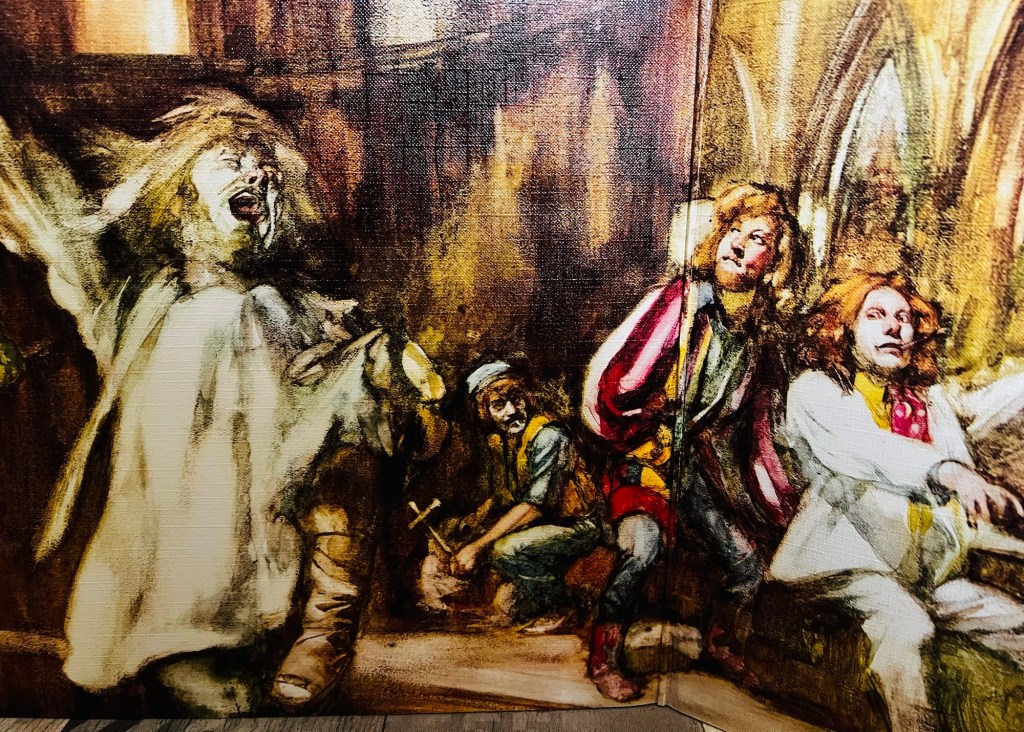
It wasn’t just homelessness that the band covered, in Cross Eyed Mary Anderson writes about prostitution, religion in My God, Hymn 43 and Wind-Up, all tracks on side two in which Anderson questions the effect of religious institutions over what he saw as true spiritual faith.
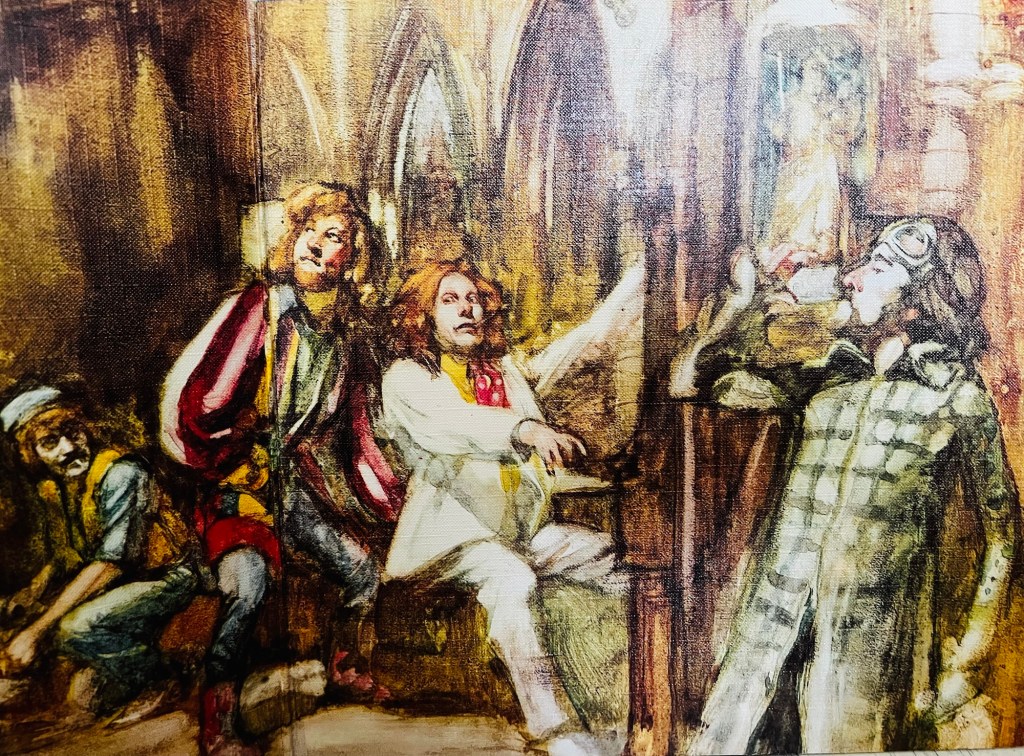
The cover for the album was painted by Burton Silverman and it wasn’t without controversy. At the time he was paid a flat fee with no written contract and when the album went on to sell several million copies he felt he deserved a fair share of the profits. Needless to say it all fell on deaf ears, none more so than in Ian Anderson who told one interview the painting was ‘not very attractive or well executed’ which I feel is somewhat harsh although Anderson accepted that many loved it.
Jethro Tull enjoyed considerable commercial success in the seventies, not to the extent of their peers in Yes, Genesis or certainly, Led Zeppelin but they gave us a unique sound and style with mesmerising live performances and brilliantly crafted songs with glorious eccentricity.
Further reading
Categories: The Music Lounge


