

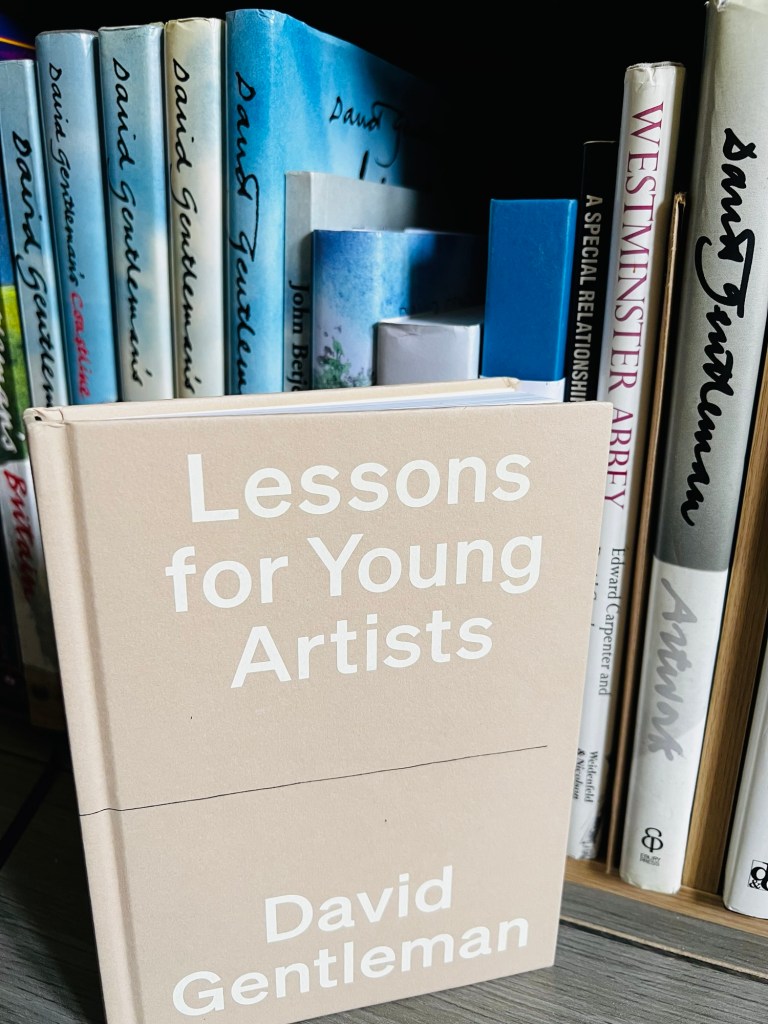
David Gentleman is one of those artists whose work has been seen by far more people than they might realise. A prolific artist whose work was commissioned by the Post Office from 1962 to 2000 during which time he produced 103 stamps. For those who like in the UK you may well have seen his work for the National Trust, posters for the Stop the War coalition and London Transport. He also illustrated many books as well as producing some beautiful travelogues of his own, the links to each review can be found below.
Born in Brentford in 1930 he attended the Royal College of Art and soon established himself as an artist of renown. His life as an artist mirrored to some extent that of Paul Hogarth, like Hogarth he produced a series of stunning covers for the New Penguin Shakespeare editions of 1967.
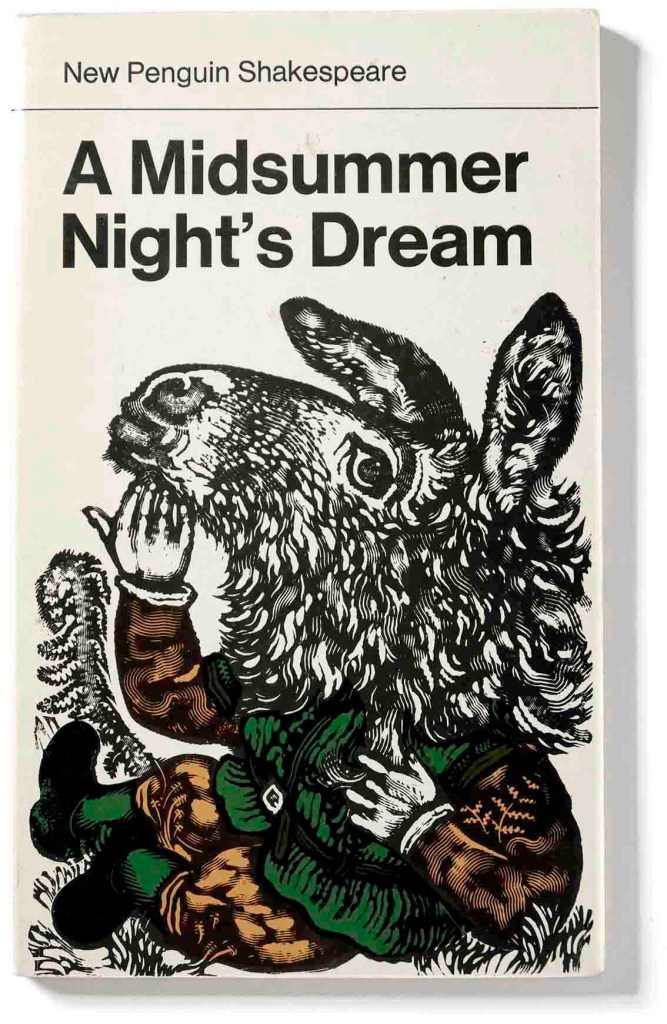
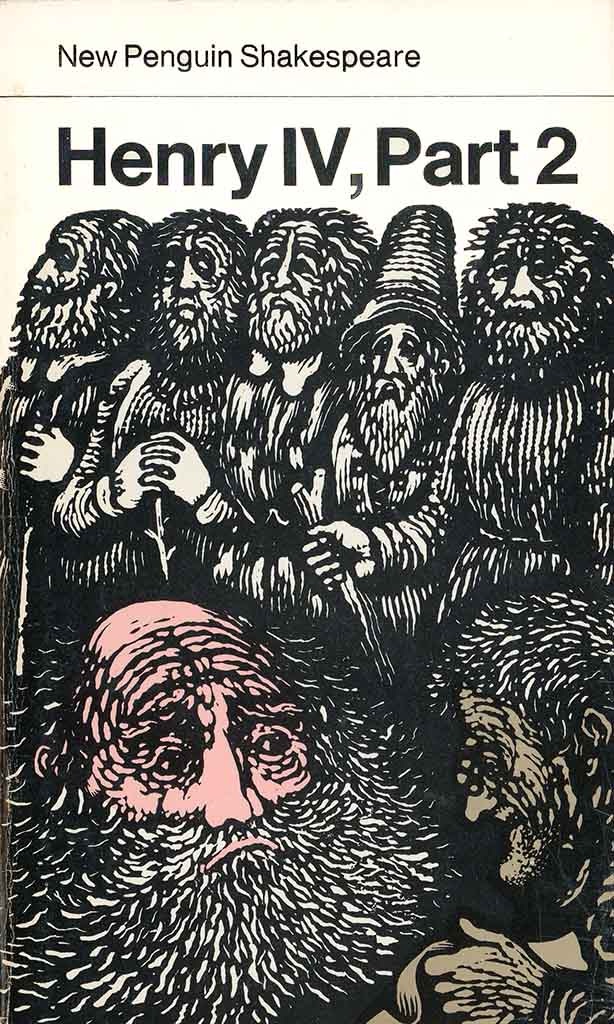
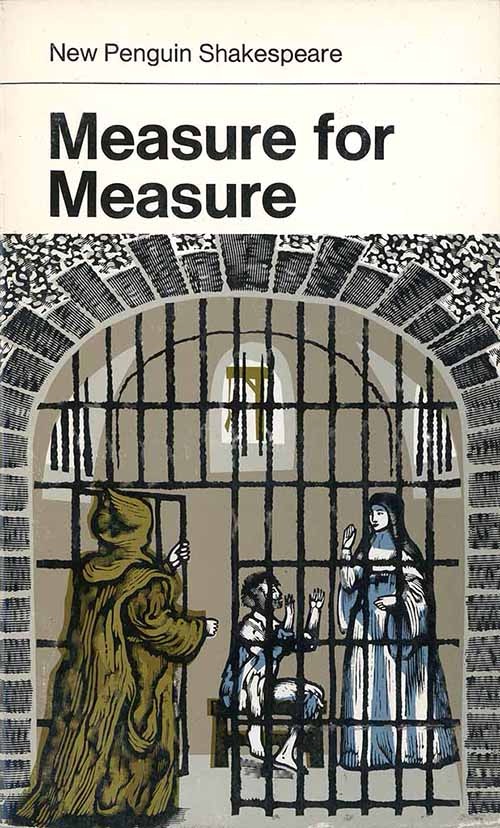
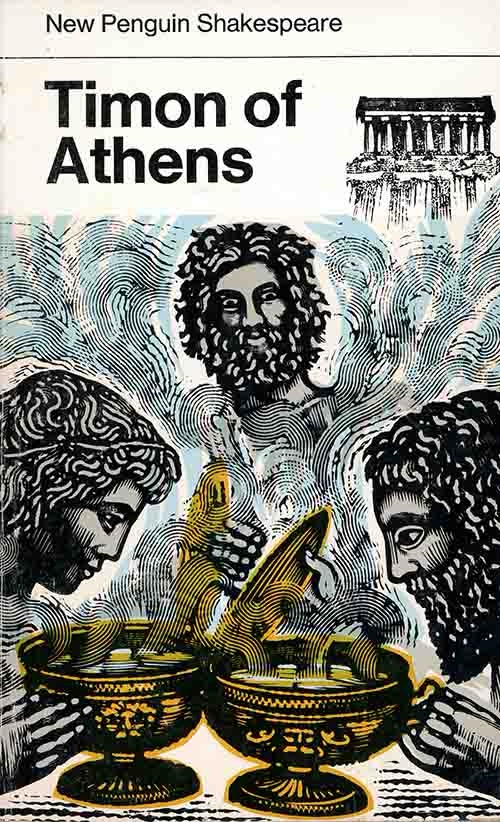
The Shakespeare series was a long labour of love, thirty two covers over a number of years but interestingly no cover for Hamlet. It would appear his agreement with Penguin was informal, he was never told it had come to an end until he saw new editions in a bookshop one day. But what he did create were memorable covers for which those of us who are of a certain age will fondly recall from school days.
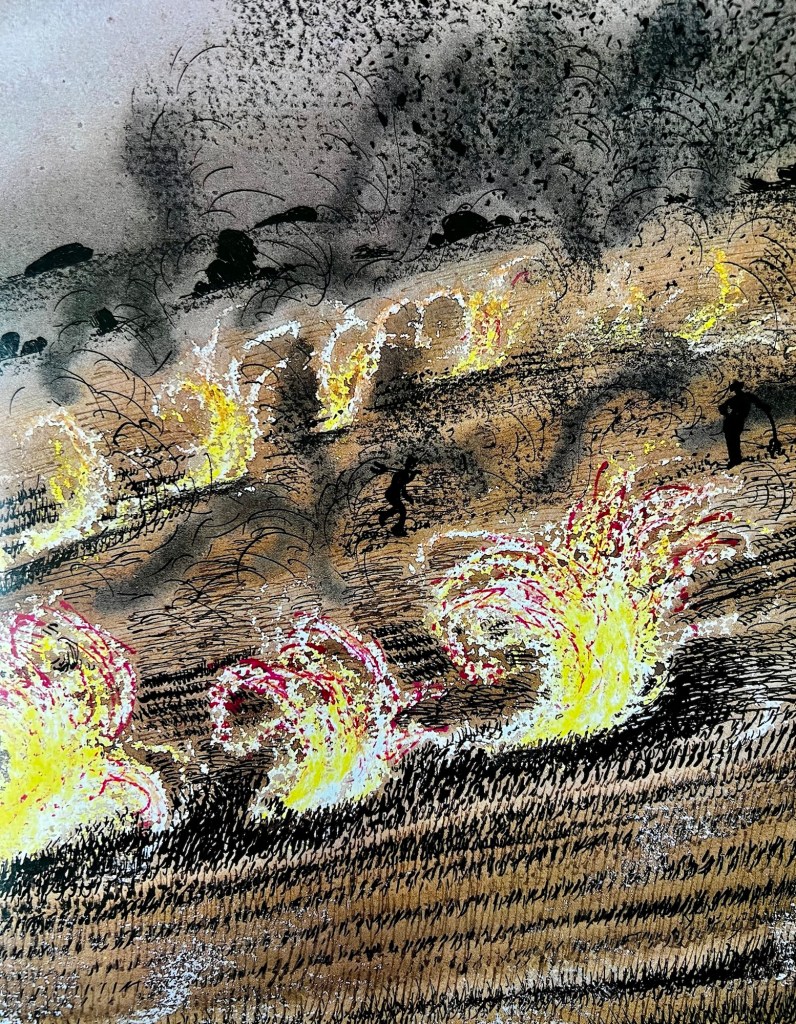
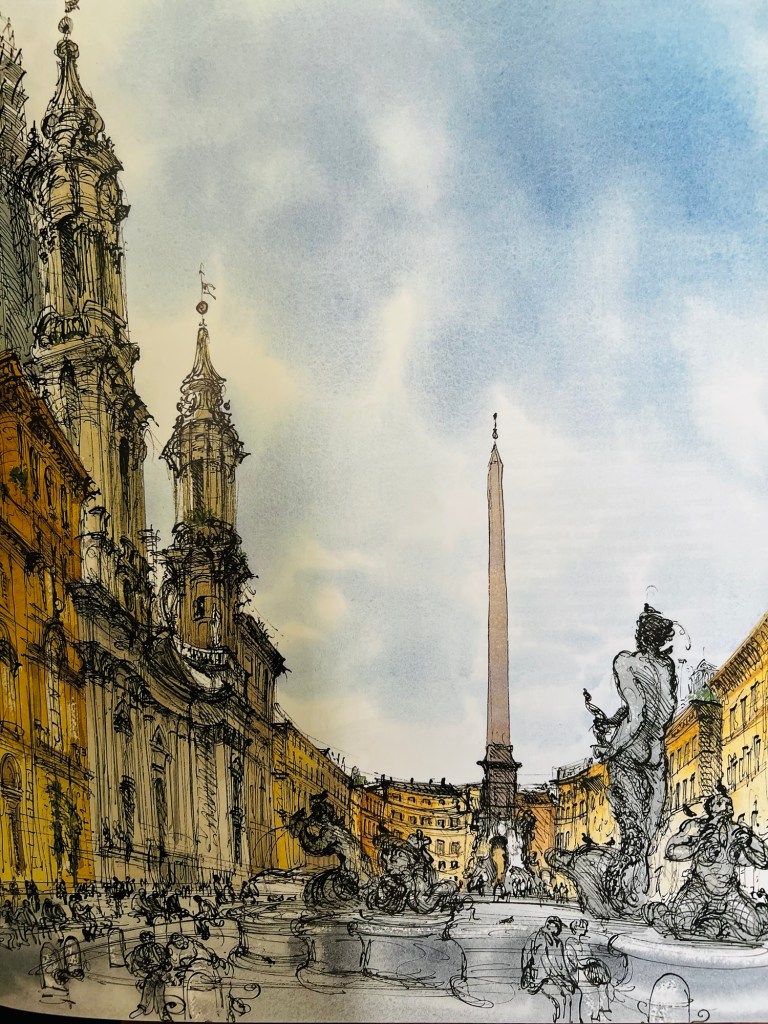
Between 1982 and 1997 Gentleman produced a series of wonderful art based travelogues beginning with David Gentleman’s Britain and finishing with David Gentleman’s Italy with London, Paris, India and Britain’s coastline featured in between.
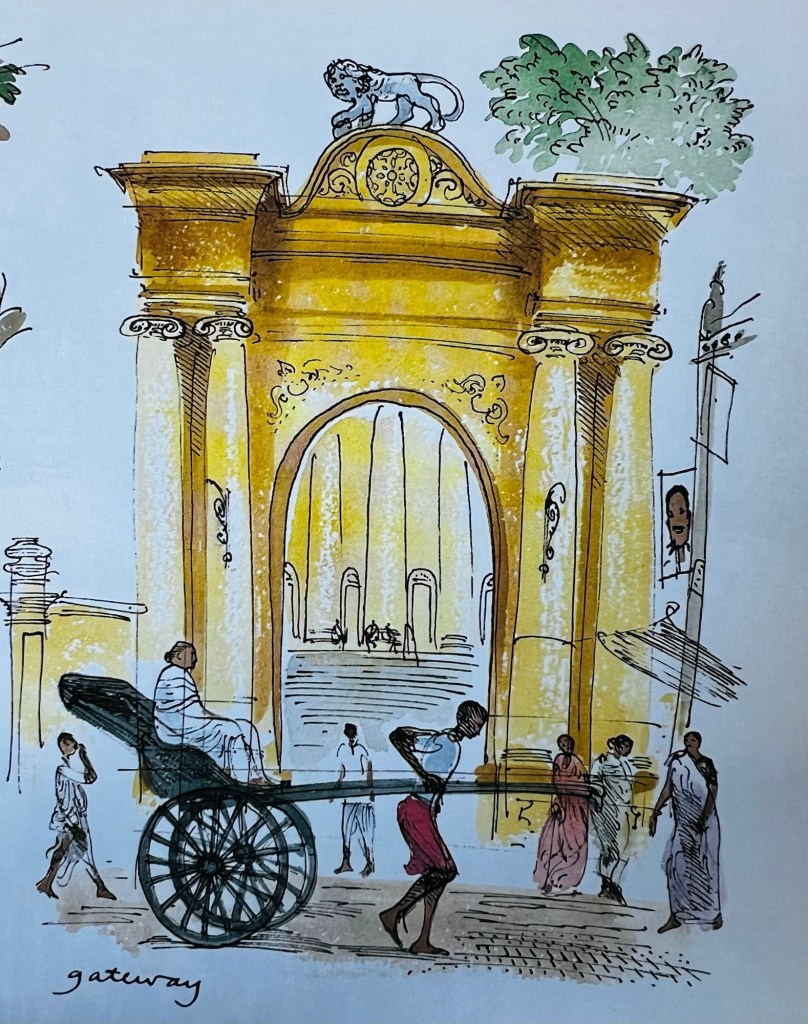
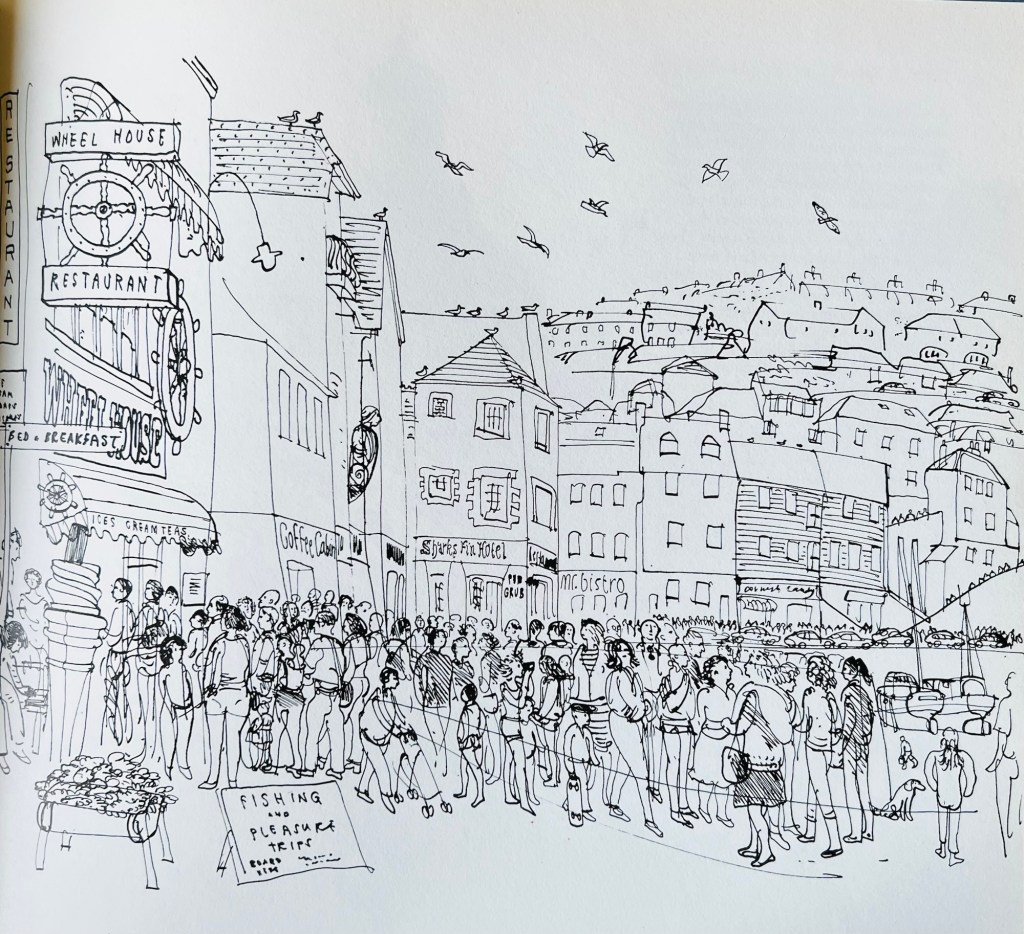
These large format books are full of paintings, ink and pencil sketches from his travels. Gentleman was an artist who enjoyed painting in situ to fully immerse himself in the landscape and his reportage style street scenes, very much reminiscent of Paul Hogarth, are testament to his confidence and ability to paint without fear of distraction.
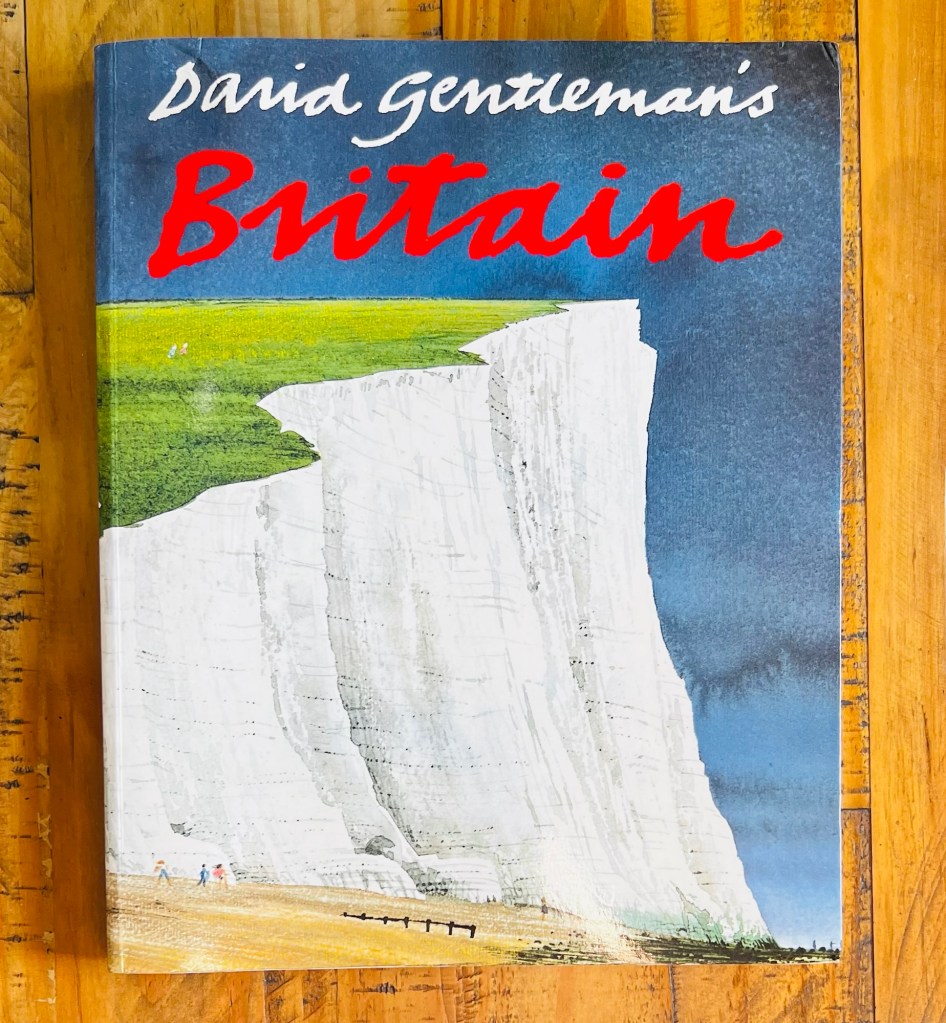
These books show each place for how he saw them in real time. Some of the illustrations are incredibly detailed whilst others appear to be very simple, quick, almost throwaway sketches to add a lovely sense of quirkiness to both the book and the subject matter.
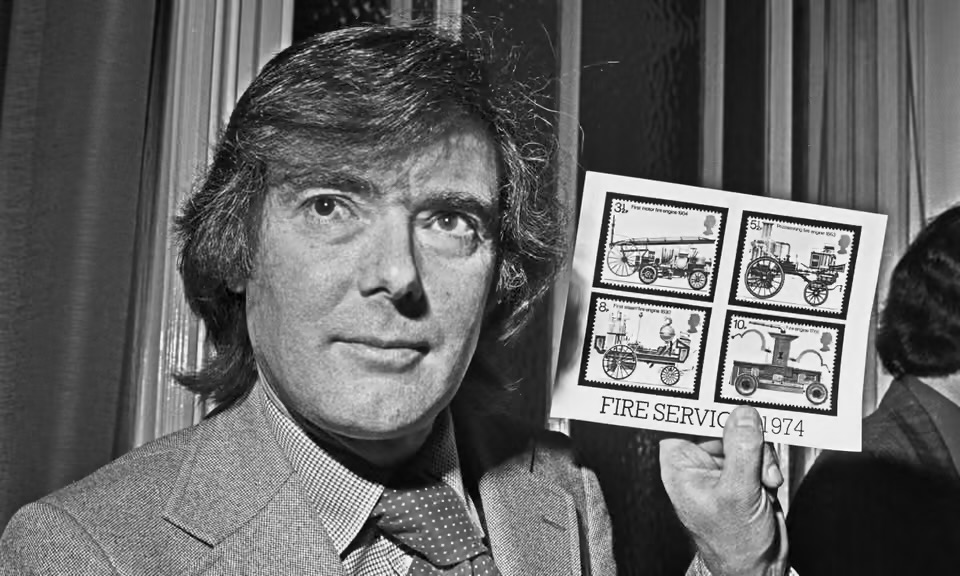
He was also a frequent contributor to designing stamps for the Post Office and in the mid sixties worked closely with the then Labour Postmaster General, Tony Benn on broadening the scope of stamp design which would, controversially, see the removal of the Queen’s head from the stamp in order to facilitate a bigger, bolder design.
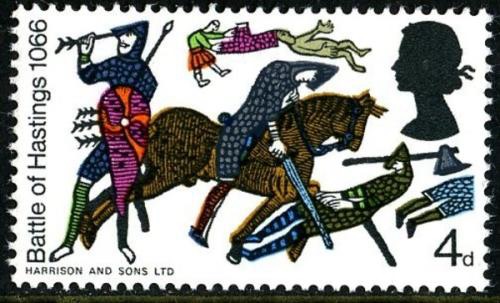
From these designs you can see how difficult it was for the designer to incorporate the Queen’s head whilst not inhibiting the rest of the image and despite the best efforts and subsequent fury of Benn the Palace rejected the proposal.
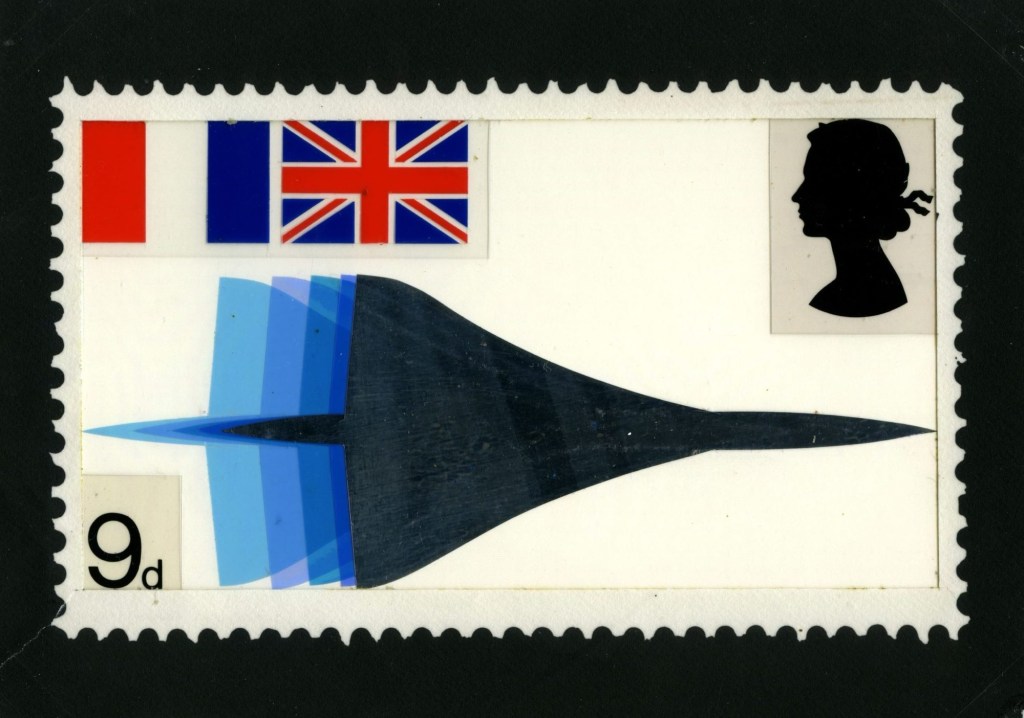
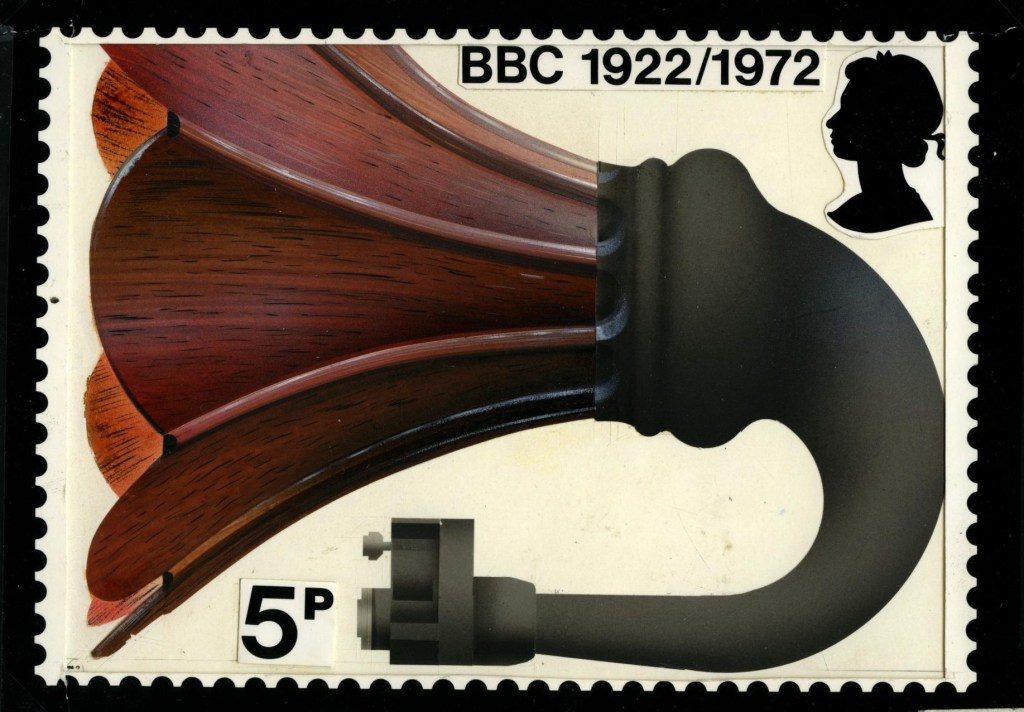
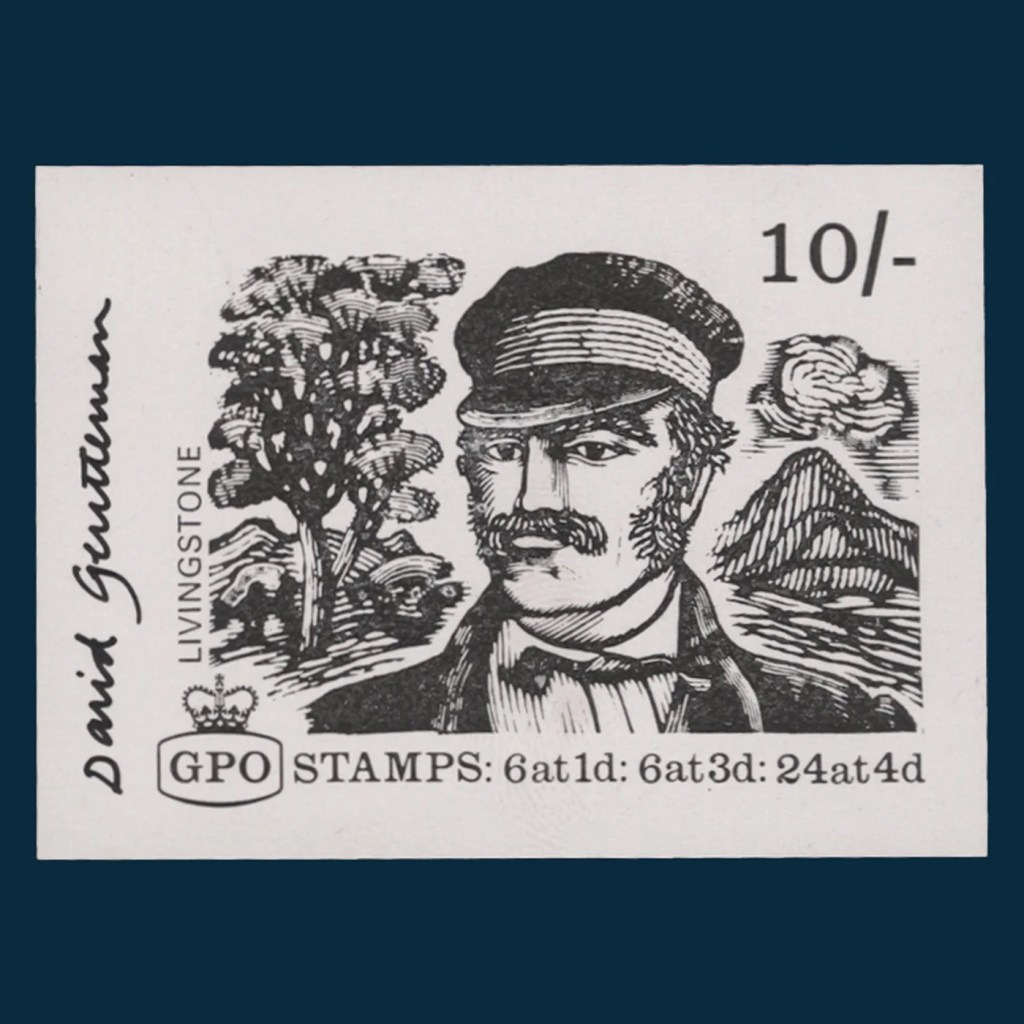
Gentleman produced 103 issued stamps making a huge contribution to the golden age of the Post Office when new stamp designs were eagerly awaited and celebrated. At the beginning of his tenure he breathed new life into the Post Office’s traditional take on stamp design, it is hard to overstate how important he was in pushing boundaries and making stamps cool in the era of the Beatles, Dali, Carnaby Street et al.
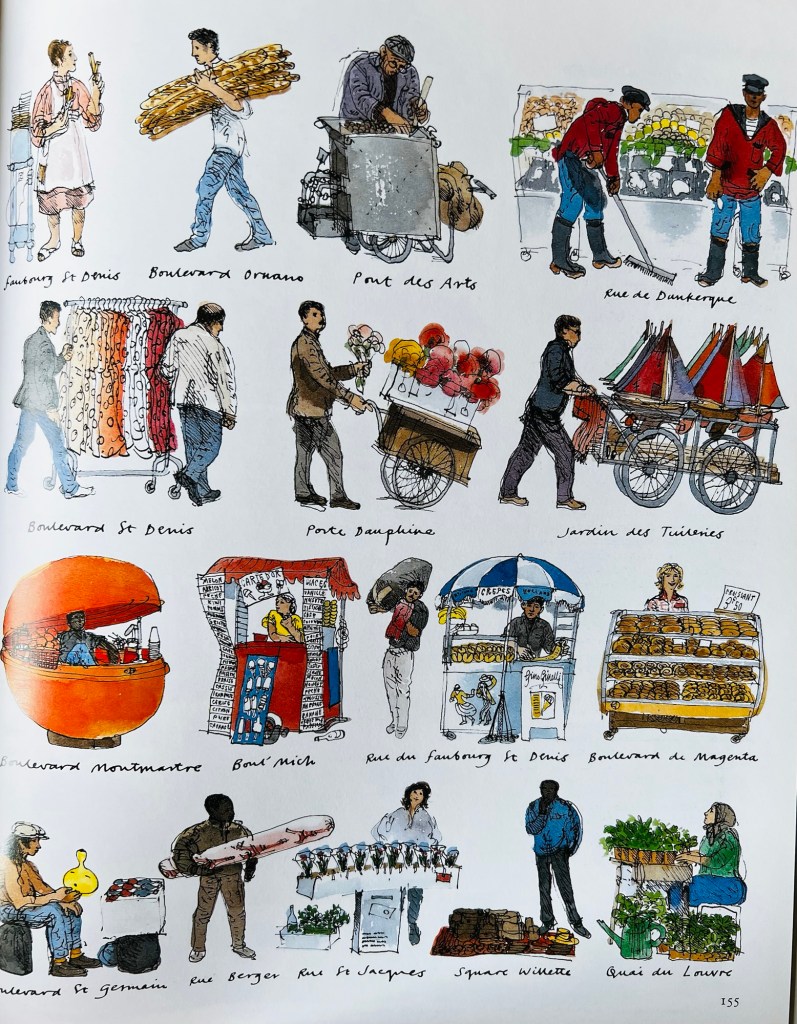
His travelogues also showed his ability as a writer; his artists eye made him a keen observer of life and he never failed to offer a balanced critique of a place for better or worse. Be it a coastal town in England short-changed by EU quotas or the gap between India’s middle and lower classes he would point it out in a nonpartisan way and many of today’s ‘journalists’ could do well to read him. He was a quiet, unobtrusive observer which I feel gives his views and art far more resonance than he is given credit for.
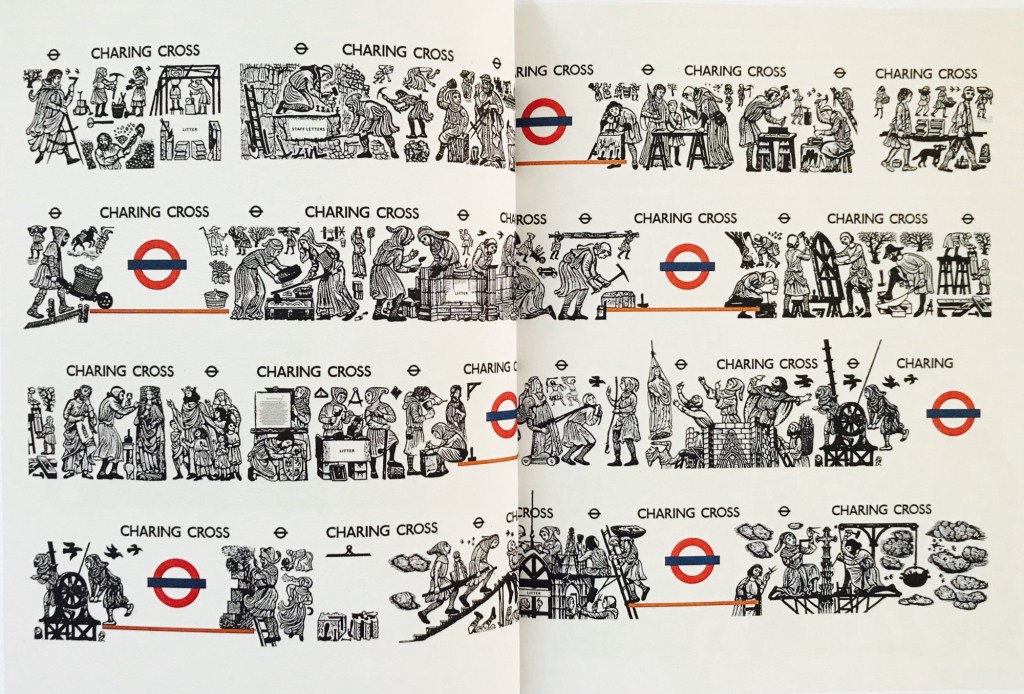
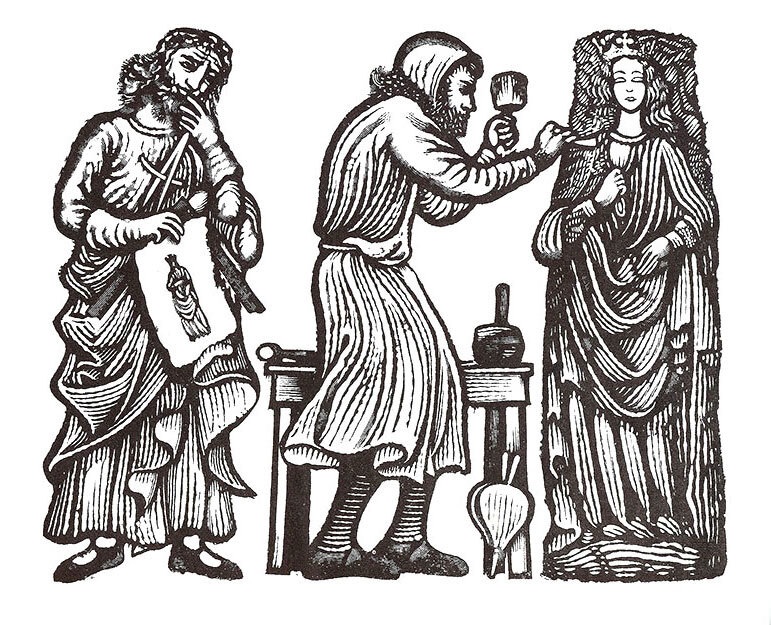
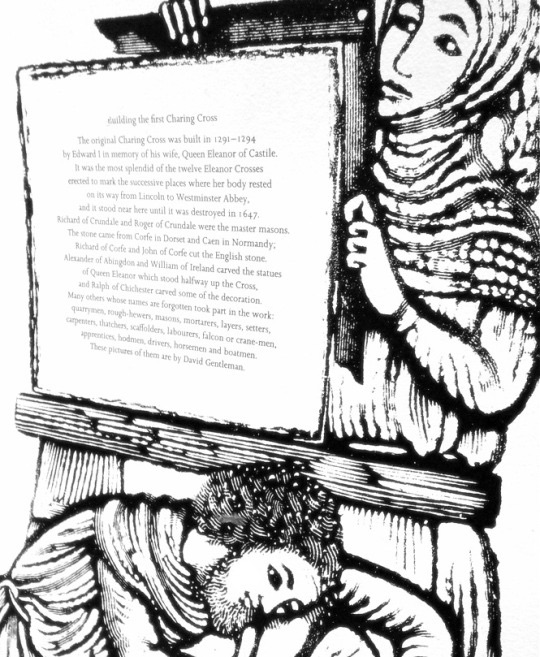
He was also commissioned to design the murals for Charing Cross Station in London. Combining some fifty wood engravings which were then screen printed onto melamine sheets, Gentleman recreated the making of the medieval Charing Cross which was built between 1291 and 1294 for Edward the 1st to commemorate his wife Queen Eleanor of Castile, one of twelve such crosses built and placed along the route where her body rested on its journey from Lincoln to Westminster Abbey. These stunning engravings came soon after he used the same format for the New Penguin Shakespeare editions.

1978
1978
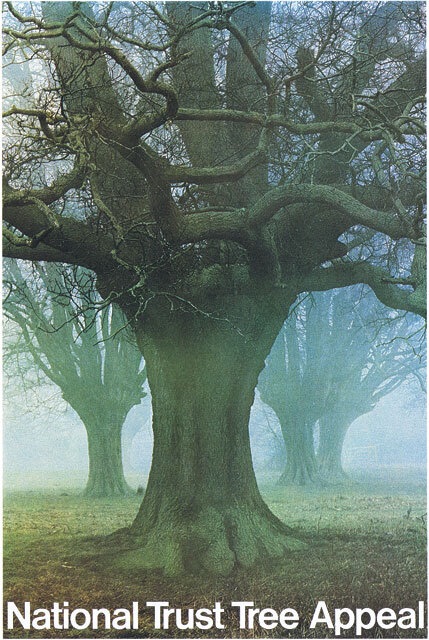
Gentleman was never afraid to create art in the name of protest, a man of conviction who has spoken out on the War on Terror and Tony Blair in particular as well as Gaza in the early 2000s. In the 1990s he was commissioned once again by the Post Office for a set of stamps depicting ecology. Gentleman decided to depict the environmental impact of various agricultural practices which were pushed back by Margaret Thatcher, the then Prime Minister. Asked to produce images which showed industry in a more positive light he refused and lost the commission. He also created posters for the National Trust and their various appeals during the mid Seventies.

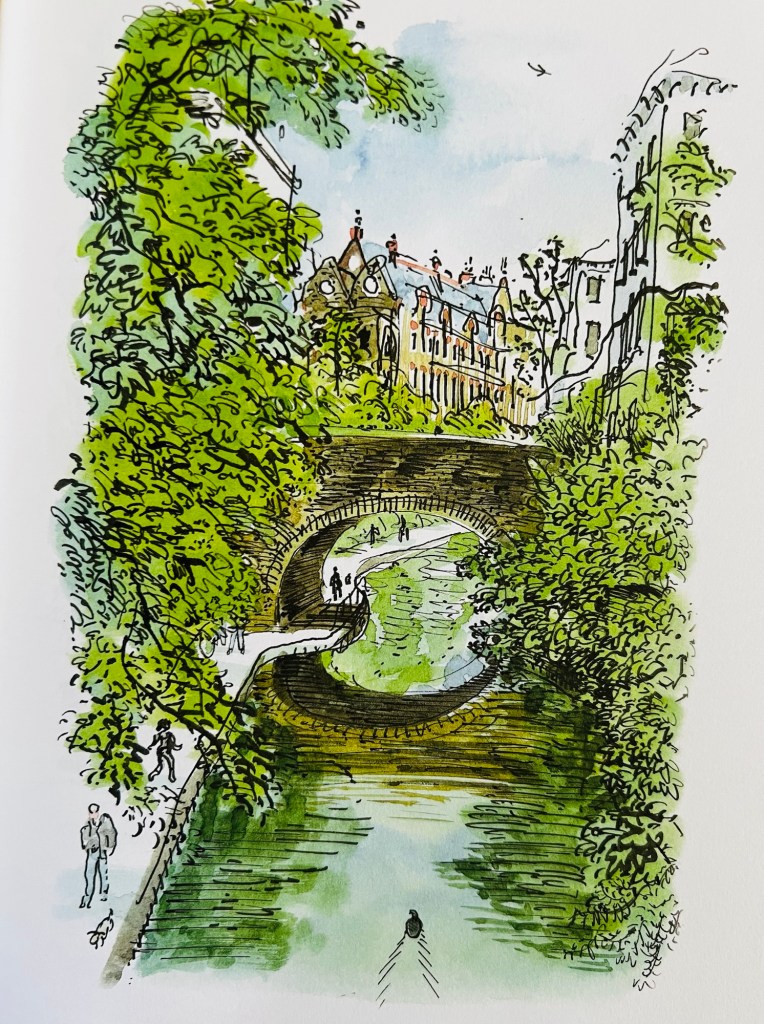
London featured prominently throughout his life’s work, a keen observer of urban landscapes and everyday lives he wrote and painted insightfully as a witness of the city’s transformation from the post-war years to today’s reincarnation and the losses and gains that have come with such a scale of modernisation.
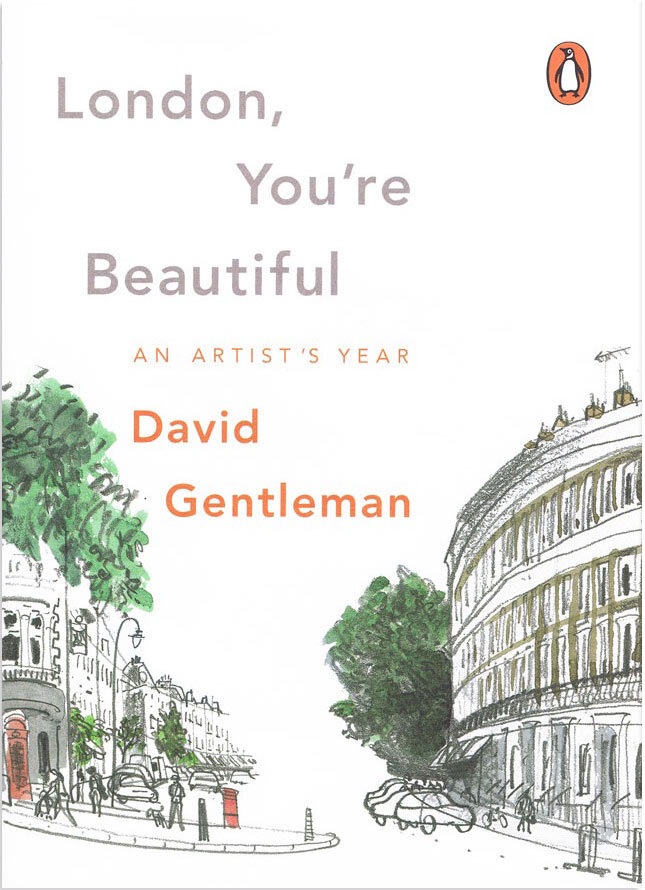
Penguin Books 2012
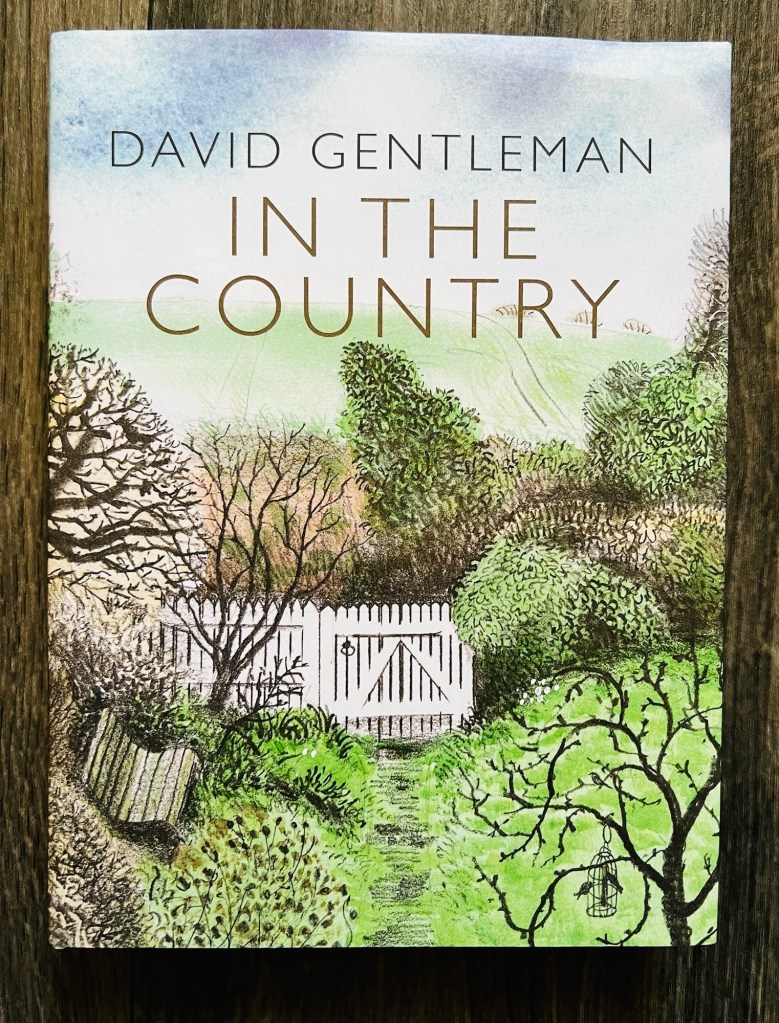
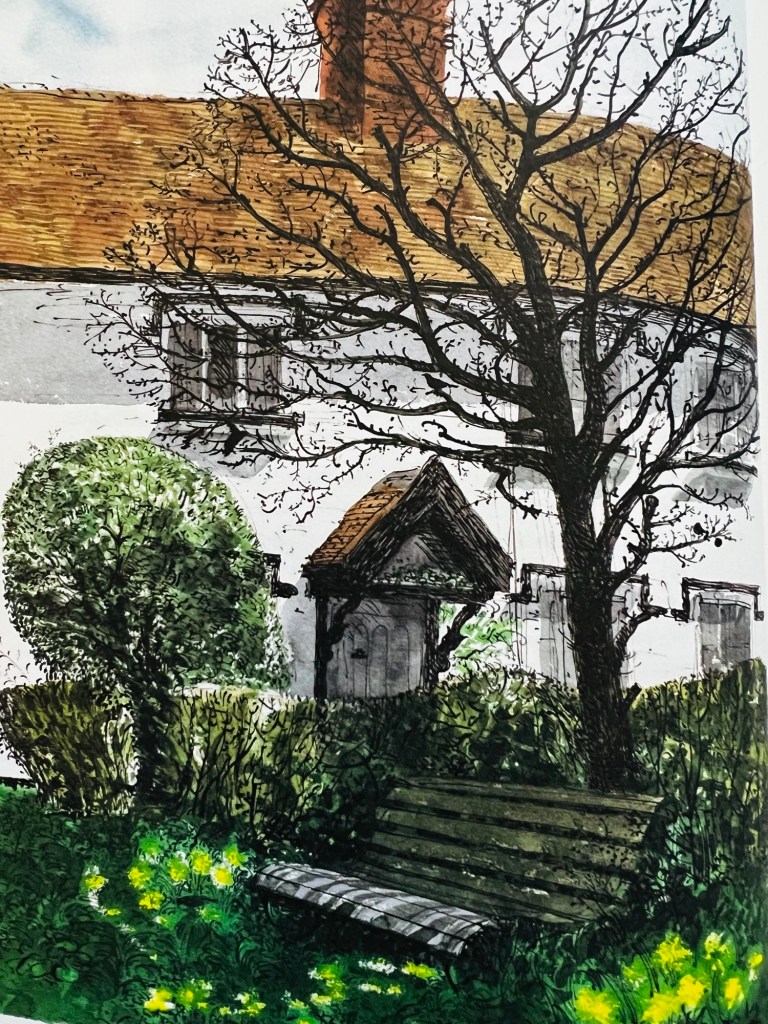
But he has equally been at home in the country and wrote a book on his life in his second home in a small rural village in mid-Suffolk. Published in 2014, In the Country is an account of his thirty five years living in a 16th century end of terrace house, the perfect foil to his life in London.
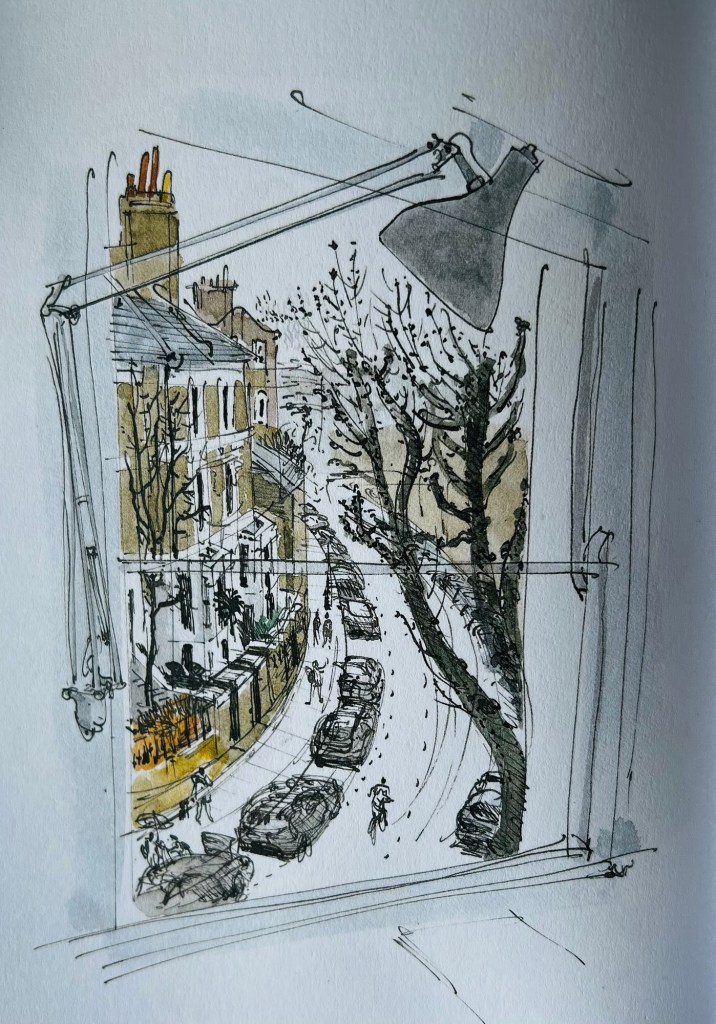
In 2020 he published My Town- An Artist’s Life in London, a beautiful collection of paintings and sketches as an homage to his beloved city. This book helps to understand his life as an artist, he regularly walked out into the city, sketching and painting the scene where he stood, the urban sketches he made explain his deep knowledge of people and place.
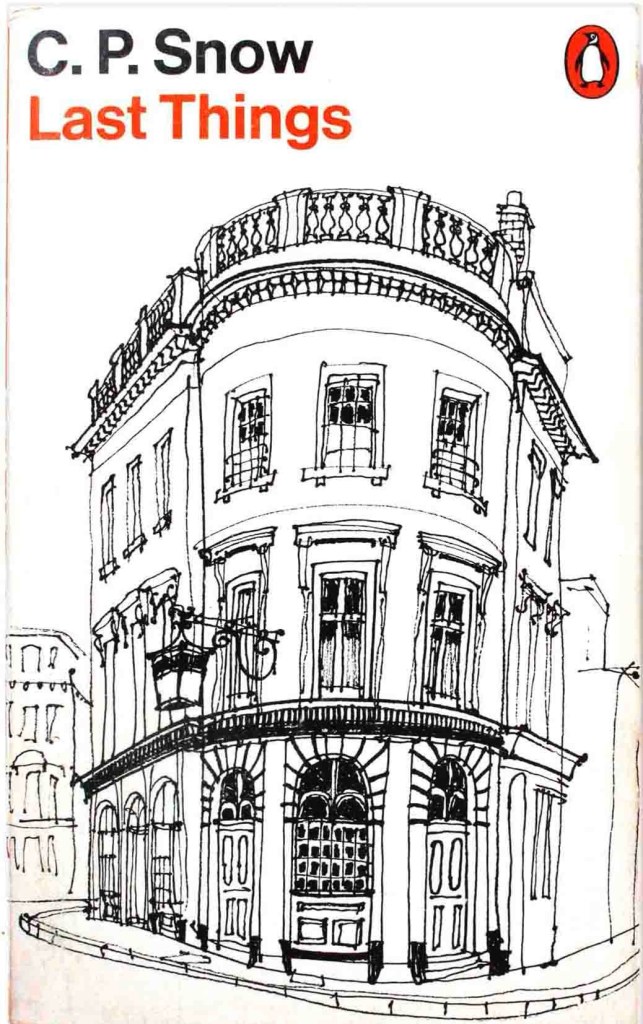
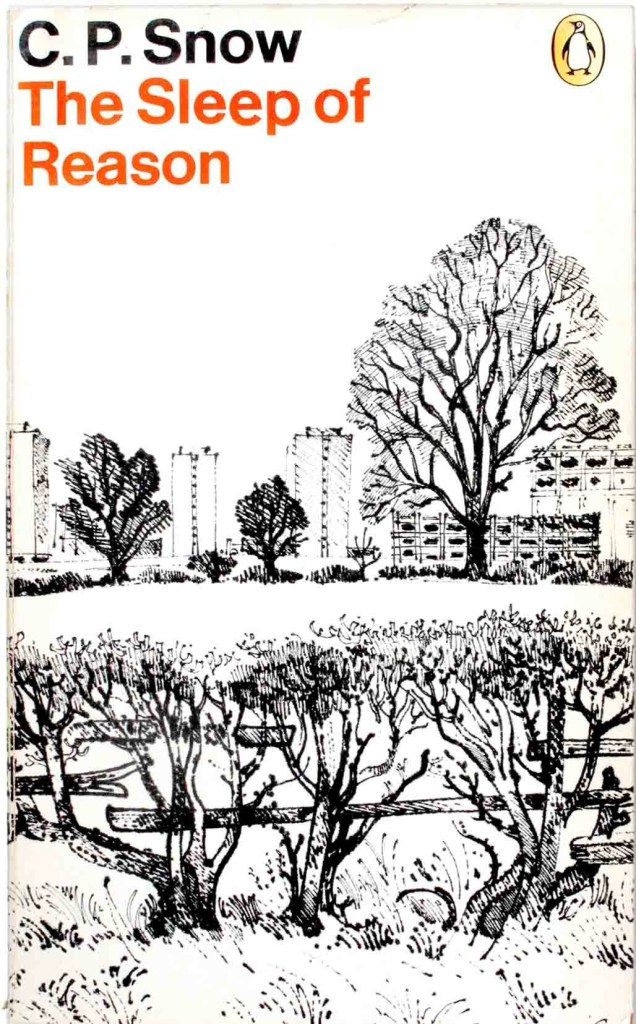
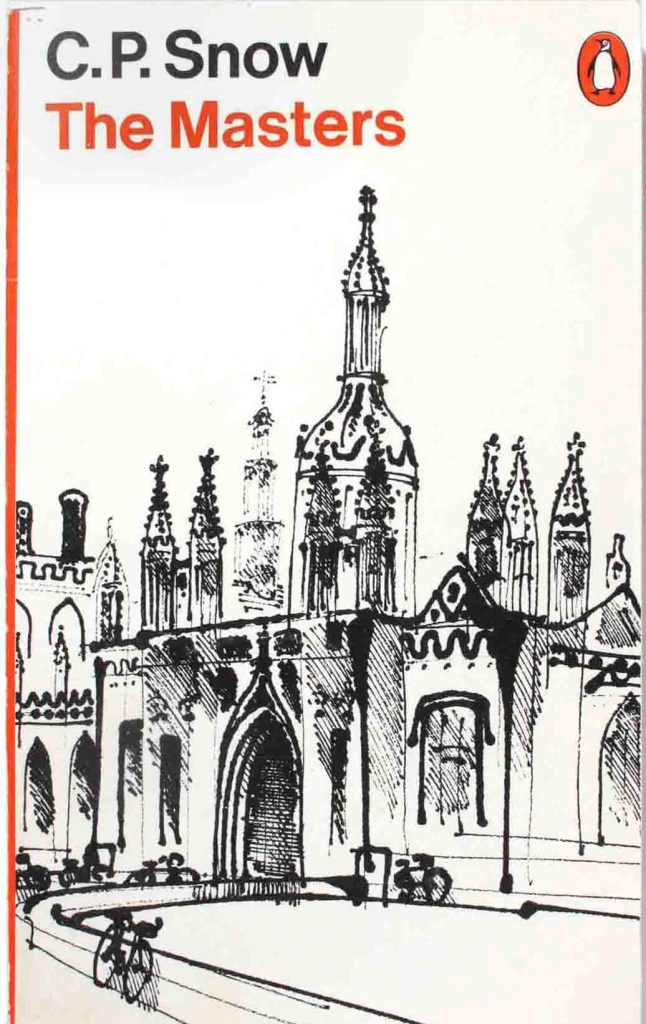
His book cover designs are far too many to mention, some less obvious in style than others, Penguin Books commissioned him for a series of reprints by C.P. Snow which remind me of Paul Hogarth in their style. Of the commission, Gentleman revealed he was less of a fan of Snow than the covers might suggest, stating that he would give up reading the relevant book as soon as an idea for the cover revealed itself in a chapter.
Gentleman’s last book (to date) is a testament to his craft and generosity to other artists. Lessons for Young Artists published in 2025 by Penguin saw the author now into his nineties, deliver short, inspiring messages of encouragement and guidance for anyone of any level who wants to pick up a pen or brush and start drawing and painting. This shows that whilst his travelling days might be behind him, he still seeks out new subjects in and around his locale.
David Gentleman’s contribution to the art world should not be underestimated, he was, in many ways a trailblazer unafraid of making a statement of it inspired change. I believe and sincerely hope that once we tire of AI overload in all of its formats we will seek refuge in the work of artists and writers like Gentleman. There is an honesty and beauty to his work which no artificial intelligence can replace.
Further Reading:
David Gentleman’s In the Country
For further interest:
The Life and Bibliography of the Artist Paul Hogarth
Categories: David Gentleman, The Reading Room


