

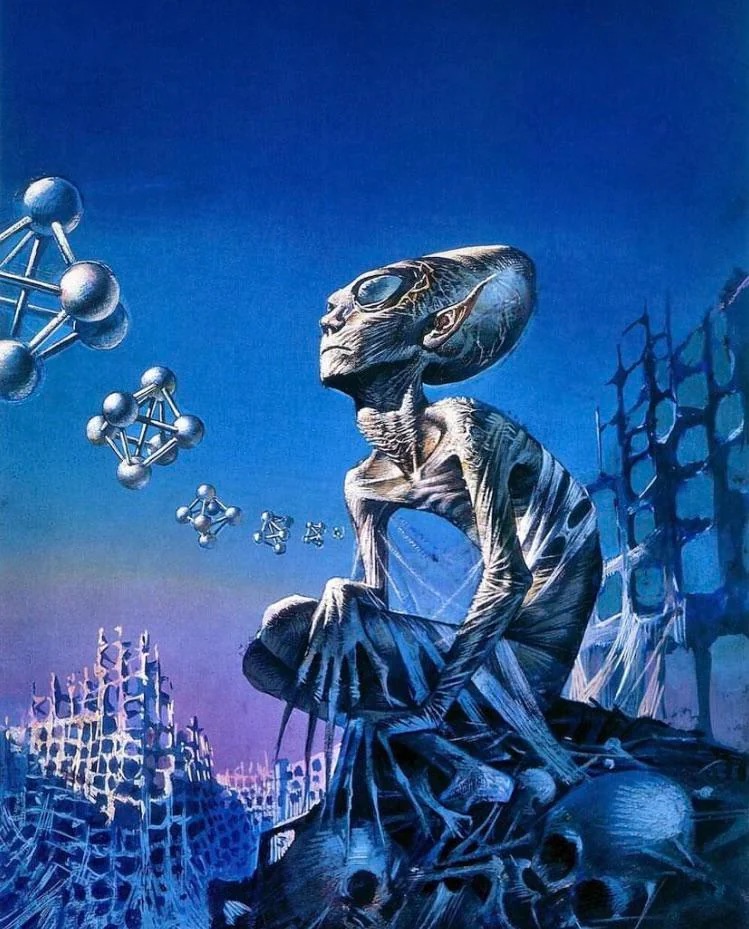
Bruce Pennington (born 10 May 1944 in Somerset, England) is my favourite artist of his genre. Known for his decades of producing the most striking science-fiction, fantasy and horror book-cover illustrations, he was at the forefront of creating the visual identity of British science-fiction paperbacks in the 1960s, 70s and 80s..
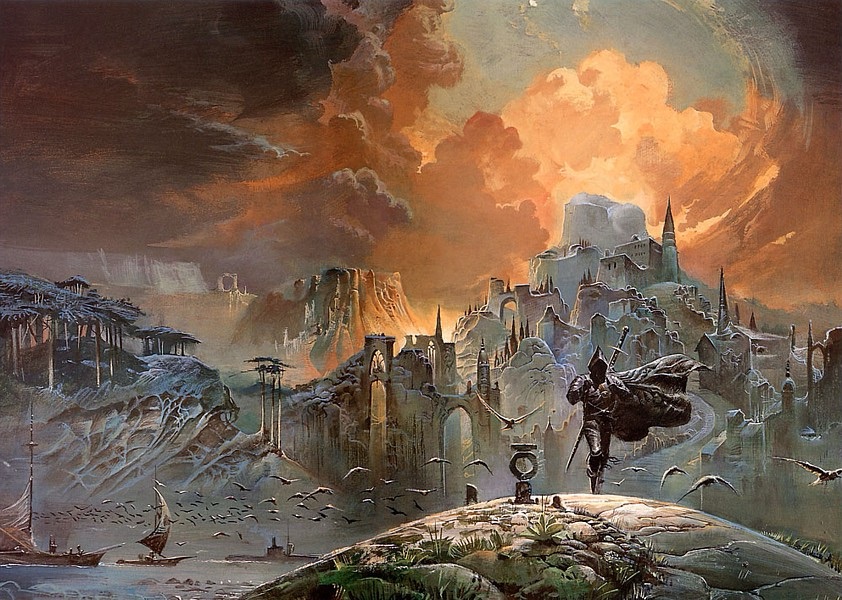
Pennington studied at Beckenham School of Art and Ravensbourne College of Art in Bromley. After graduating, he worked on film posters before embarking on a freelance career as an illustrator. He came to prominence as a science fiction artist in 1967, when he began producing book covers for Robert A. Heinlein’s Stranger in a Strange Land and most especially, Frank Herbert’s classic, Dune. He then went on to create memorable covers for the great authors of the time from Brian Aldiss, Isaac Asimov Ray Bradbury to Gene Wolf.
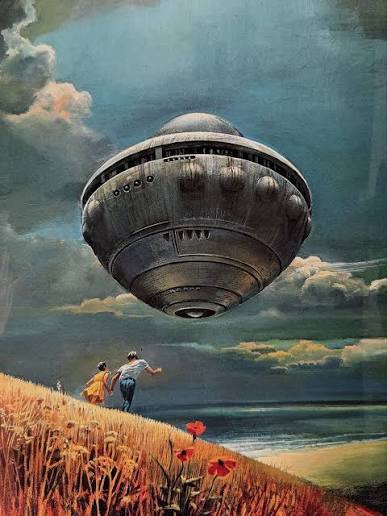
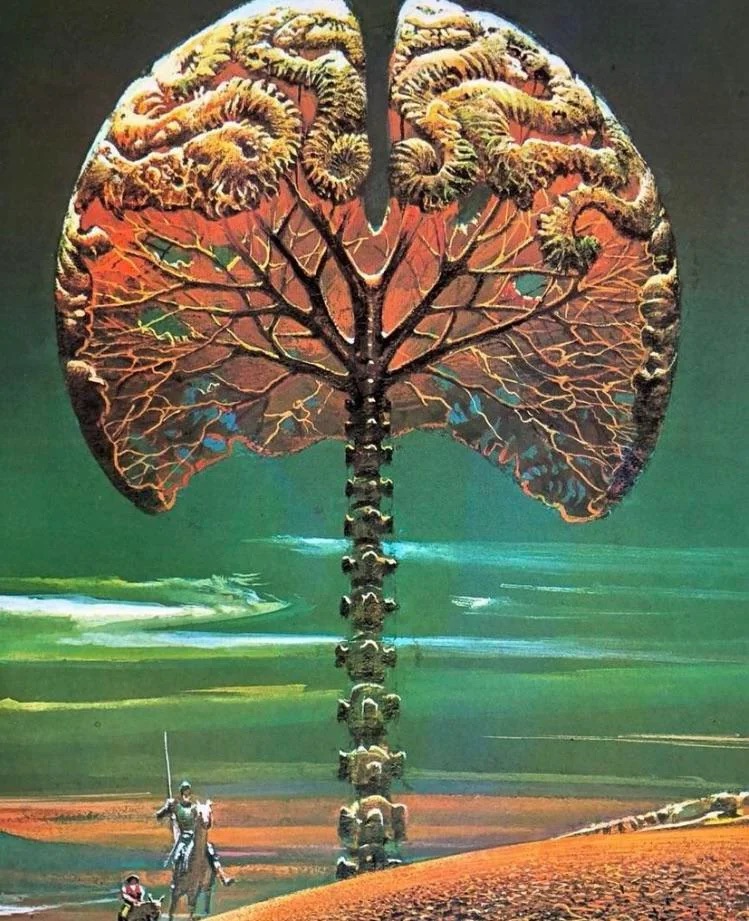
His paintings, full of vivid colours, captured surreal landscapes, otherworldly structures and his unique depiction of alien worlds bordering on the psychedelic. His work also extended into horror, with illustrations for writers including H.P Lovecraft and Clark Ashton- Smith
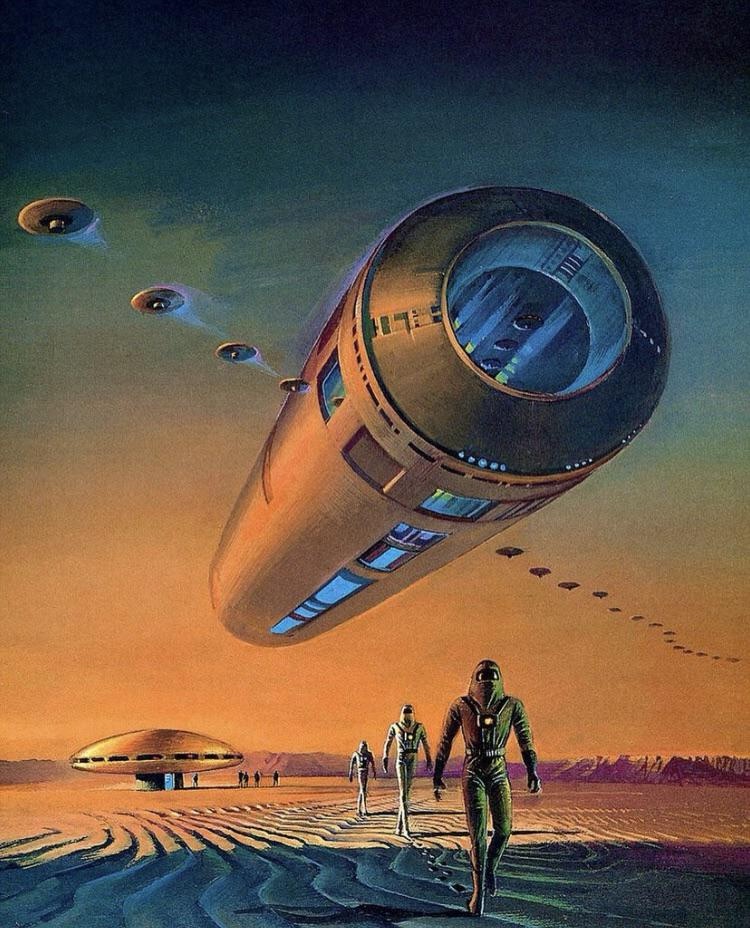
In 1977, he published Eschatus, an illustrated interpretation of the prophecies of Nostradamus, followed by further collections of his artwork, including Ultraterranium. From the late 1980s onwards, he increasingly eschewed offers from publishers to focus on personal artistic projects, although his earlier book covers continued to attract fans and collectors.
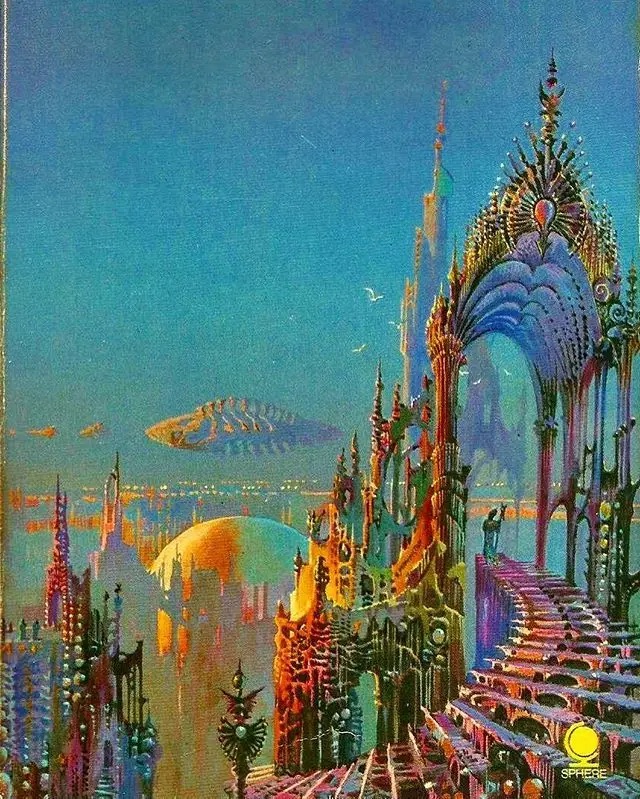
Bruce Pennington remains an important figure in the history of science-fiction illustration. His paintings gave visual form to strange, distant worlds and helped generations of readers imagine the extraordinary possibilities of science fiction and fantasy.
For me, as a man of a certain age, there is only one series of Dune books to have: The New English Library editions featuring Pennington’s art. Small wonder the books sold in the numbers they did when these appeared on the shelves…
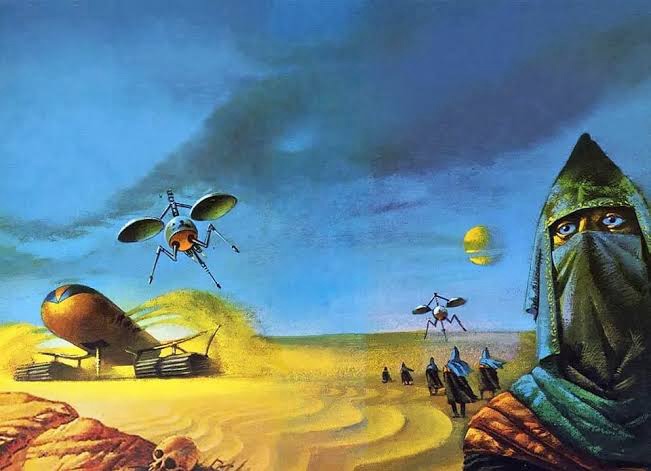
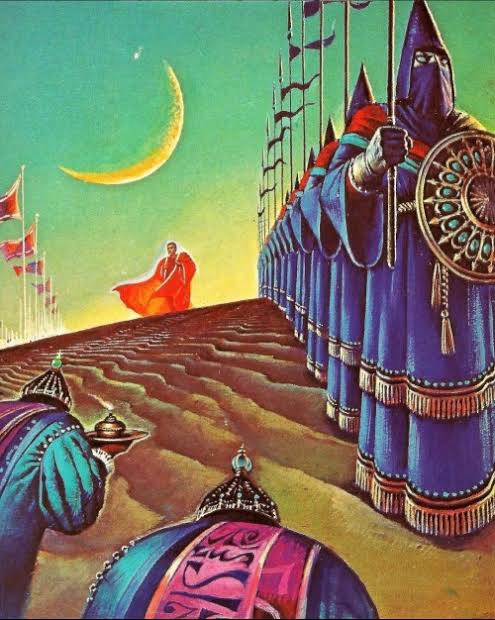
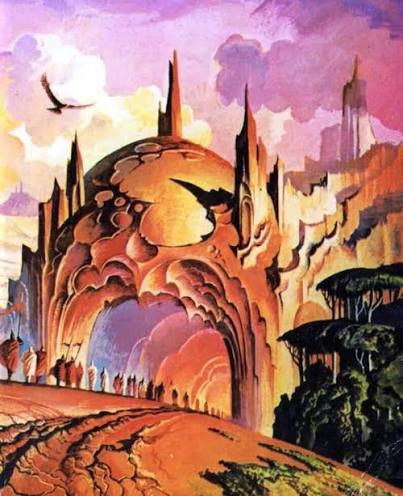
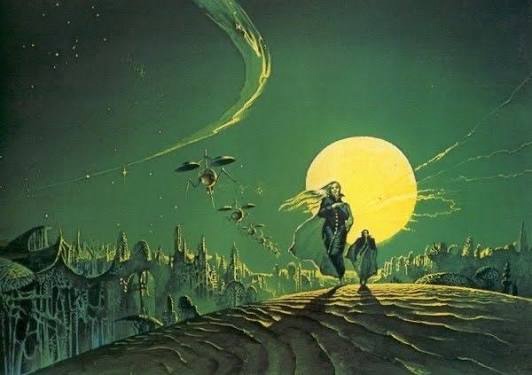
Science fiction and fantasy art often gets a bad rap in the art world which I think is unfair. There can be no argument that Pennington and his contemporaries were brilliant artists irrespective of the subject matter. I think it’s also worth remembering that those early pioneers had nothing but their own imagination to work from and however fantastic the scene there has always been that element of possibility. If nothing else, they absolutely met their commissioned brief to produce a book cover which could influence a sale, and few did it better than these guys.
Further reading:
Categories: Artists and Art Books


