
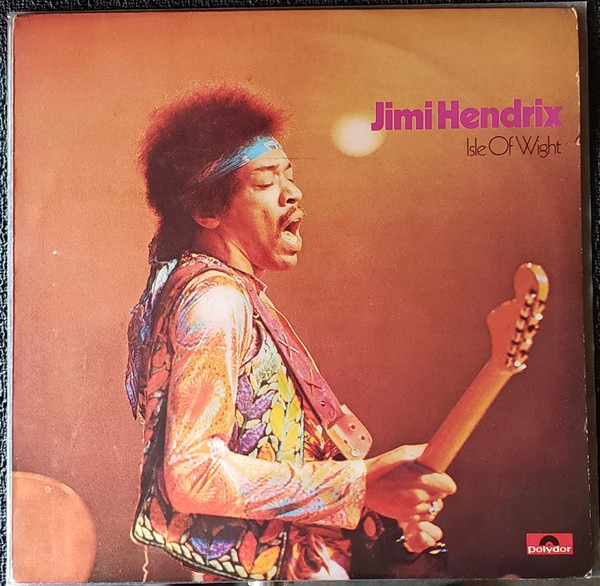
I recently caught an interview with Ian Anderson of Jethro Tull who talked candidly about Jimi Hendrix and in particular, his appearance at the Isle of Wight festival shortly before his untimely death.
Anderson told of how both his band and Hendrix were eager not to be the closing act which would normally seem strange but there was nothing normal about the Isle of Wight festival. Anderson related how Hendrix, beset with technical problems throughout his live performances faced the same issue that night. Tull were quicker to get their equipment set up and beat Hendrix to the slot. The timings had over run, the crowd were tired and there was a distinct breakdown in the vibe between the promoters and the fans, many of whom had turned up without tickets.
Despite help from a co-opted David Gilmour, the mixing on Hendrix’s set suffered from radio interference, most annoyingly during his rendition of Machine Gun. He rambled between songs as the engineers scrambled to fix the sound, at one point he told the audience he would start the set again from the beginning after leaving the drummer Mitch Mitchell alone to produce a lengthy, unrehearsed drum solo.
Hendrix already moving in a new musical direction, his band The Jimi Hendrix Experience had broken up and he was in the middle of the European leg of The Cry of Love tour where his appetite for performing the hits was diminishing and his drug use was becoming detrimental to his live performances. But there were still moments of brilliance, at the Isle of Wight, he attempted a rendition of the English anthem God Save the Queen only to give up because of horrendous feedback yet come back with Machine Gun, a track to remind anyone who needed it, of his brilliance.
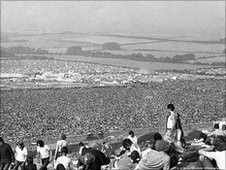
This was a sad end to both a stellar group of artist’s performing over one weekend and for the man himself who would be dead within a month. The island had welcomed an audience of 600,000 some five times their total population, whilst many had paid for their tickets, it invariably fell into difficulty and became a ‘free concert’ and instigated a change in British government policy towards outdoor concerts with a significant tightening of restrictions over performance times and power to local authorities to ban events which did not meet their obligations.
Jimi Hendrix & Machine Gun Live
Categories: British History and Folklore, The Music Lounge


