



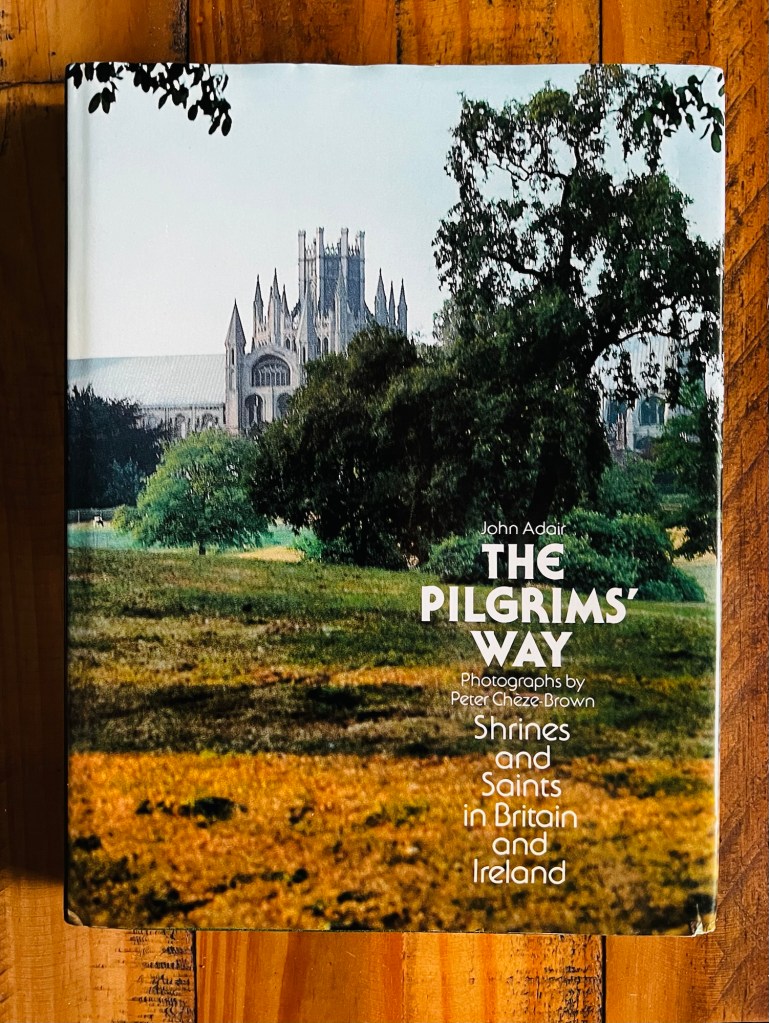
This was a lovely recent find; The Pilgrims’ Way, written by John Adair with a remarkable collection of photographs by Peter Chèze-Brown. First published in 1978 by Thames and Hudson, it is a guide to the act, history and geography of pilgrimage throughout Britain and Ireland.
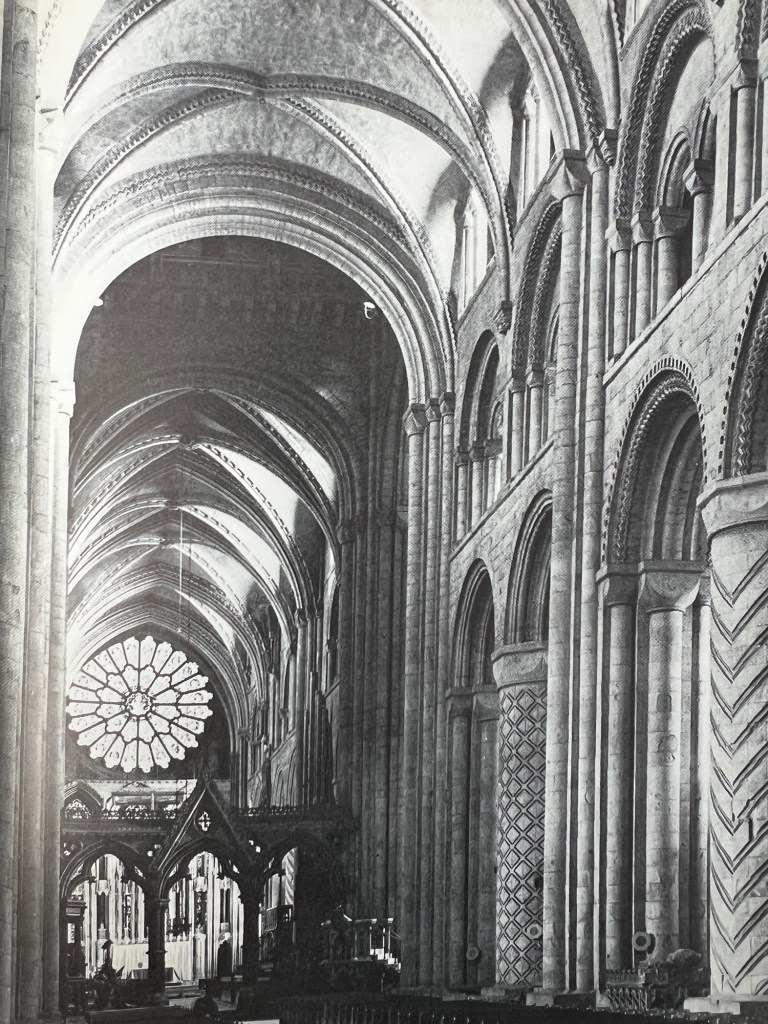
Pilgrimage is enjoying something of a mini revival in the UK, why, I am unsure but one could have a good guess. It is, of course, not a pursuit linked only to Christianity. Great value is placed on the act of journeying to a sacred shrine or place by the Hindus, Muslims and Buddhists as well as, more recently non- believers and followers of the Pagan traditions. The United Kingdom, however, has a rich history of Christianity and with it, many significant places of worship worthy of a pilgrimage of any kind.
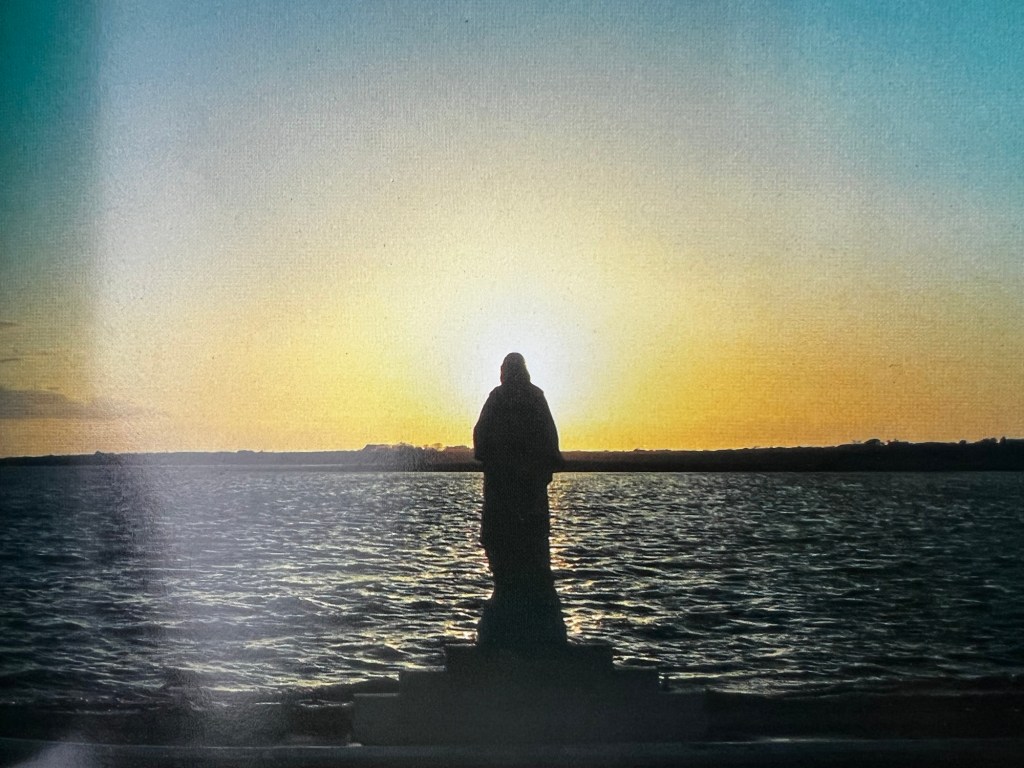
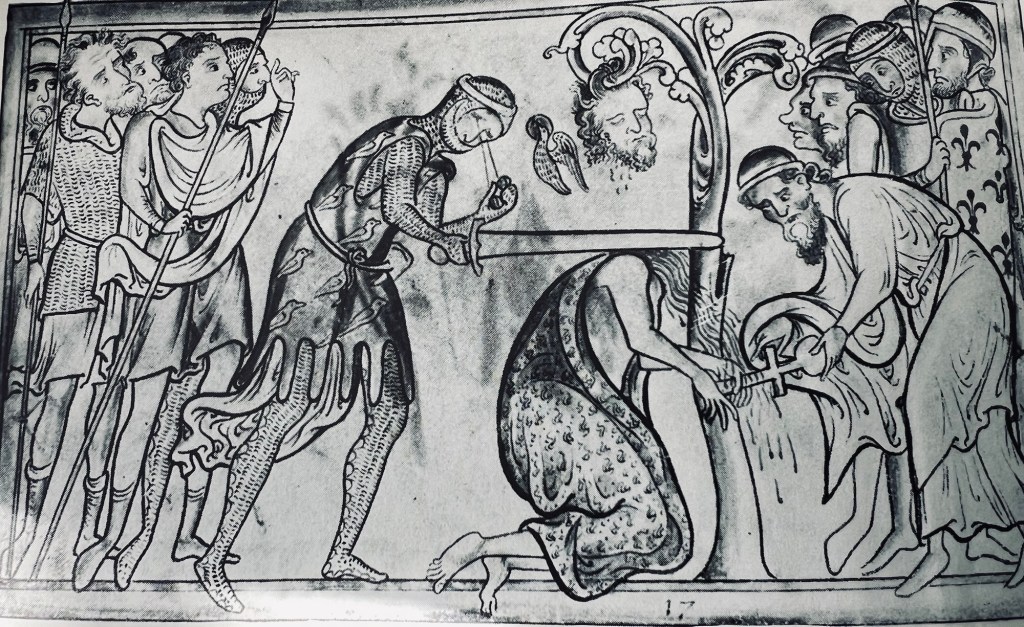
The book begins, perhaps unsurprisingly at Canterbury and St Thomas Becket. As Archbishop of Canterbury, he was the most important bishop in England before being savagely murdered in the cathedral in 1170.
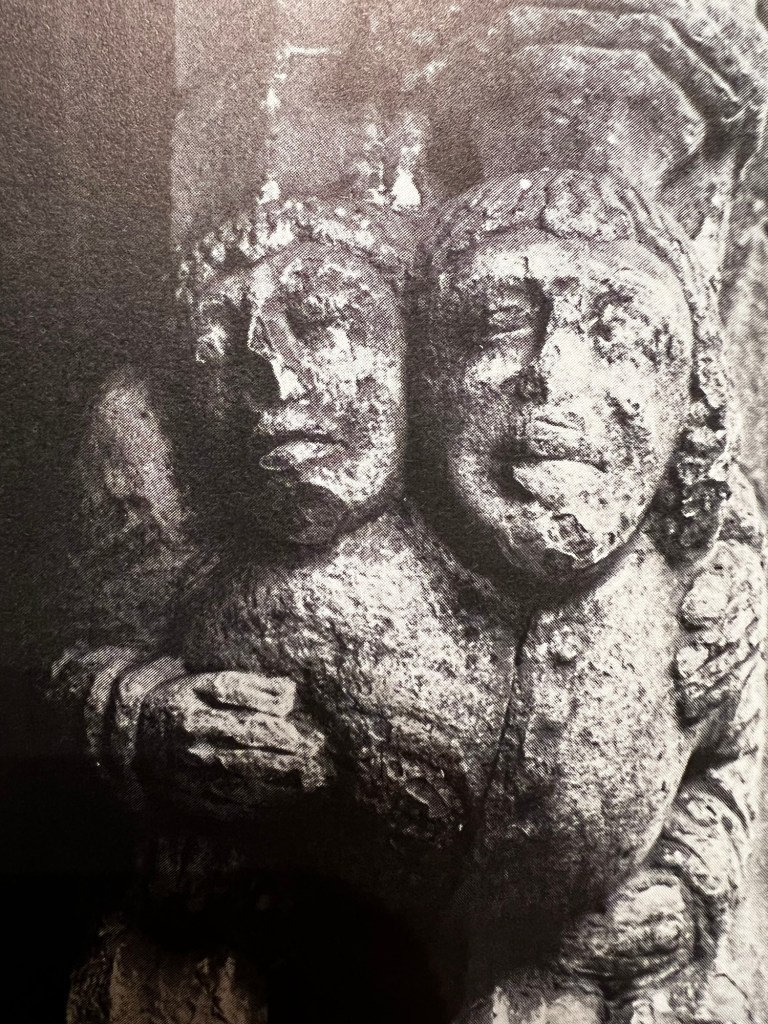
This is one of my favourite chapters of the book, here you can find the routes pilgrims took to Winchester Cathedral via Salisbury detailing stops in churches and abbeys along the way and the influence of the Normans on their architecture. Adair details how those early pilgrims would have approached the coffin of Becket, many on their knees as they approached the high altar.
From Canterbury, Adair takes the road to London and on to Glastonbury, the sacred home of the pre-Christians and a place of modern day pilgrimage for neo-pagans which has become increasingly popular in recent times. The act of pilgrimage in today’s world makes increasing sense to me, that deep connection to nature, the landscape and rich history of the British Isles. And this will have all been apparent to those early journeymen and women despite the hardships of the times.
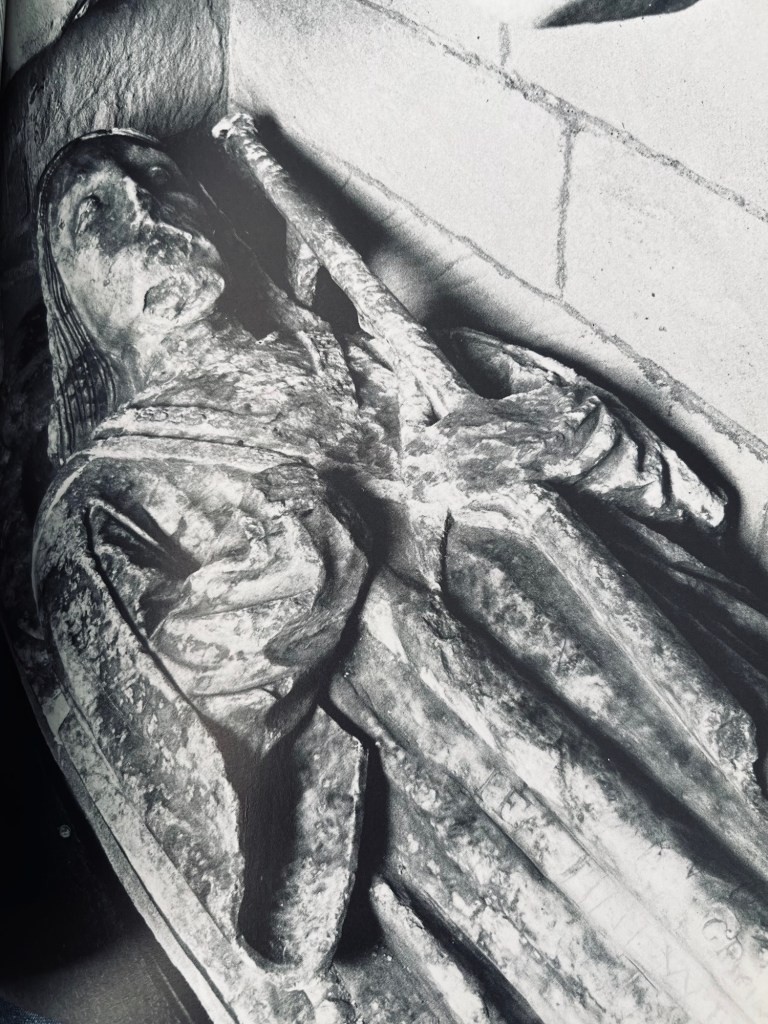
Each place the author and photographer visit offers a wealth of historical places with their associated saints, from St William in York to St Alkmund in Derby, St Hugh of Lincoln to the legend of St Cuthbert in Lindisfarne. Cuthbert or Cuddy is suitably well documented here, his last days spent as a hermit, cut off from the neighbouring villages, at times surviving on a raw onion a day for sustenance.
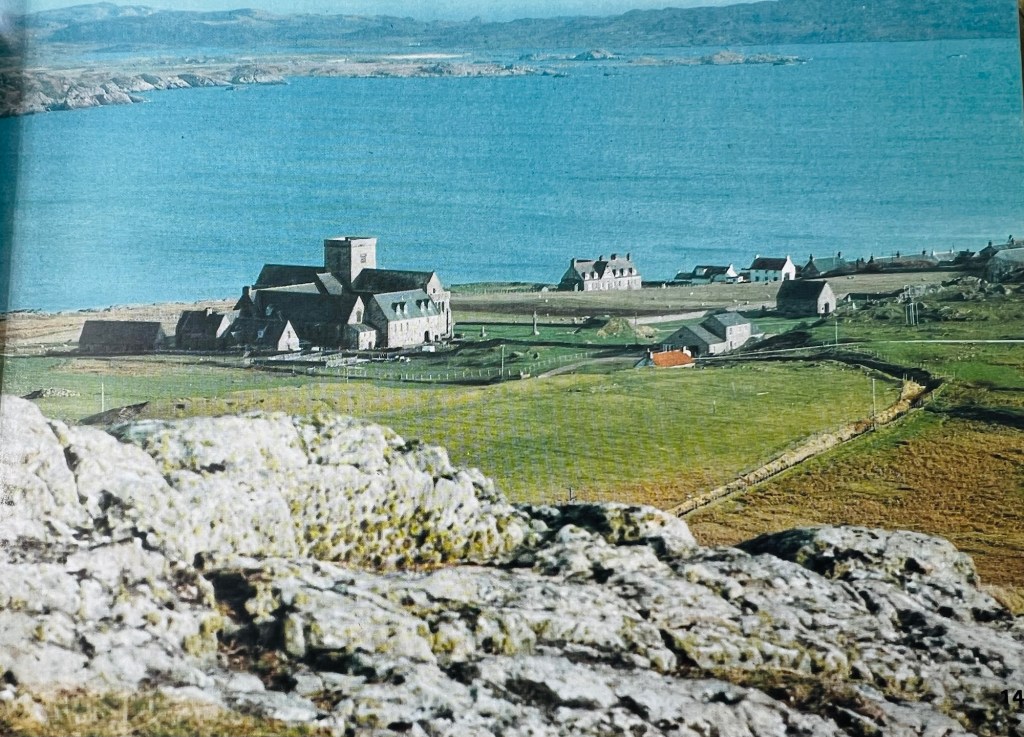
The book also serves as a reminder of those place names we usually take for granted, names which roll off the tongue with no thought for their origin: Offa’s Dyke, Holywell, St Albans, Ermine Street, Bury St Edmunds…Britain has no shortage of them. And history shows how many counties, towns and villages changed names as often as the kings and warlords did in their drive for power. What would those early pilgrims have thought and learned in the face of undoubted threat and adversity across the ages as they crossed borders in search of Christian enlightenment?
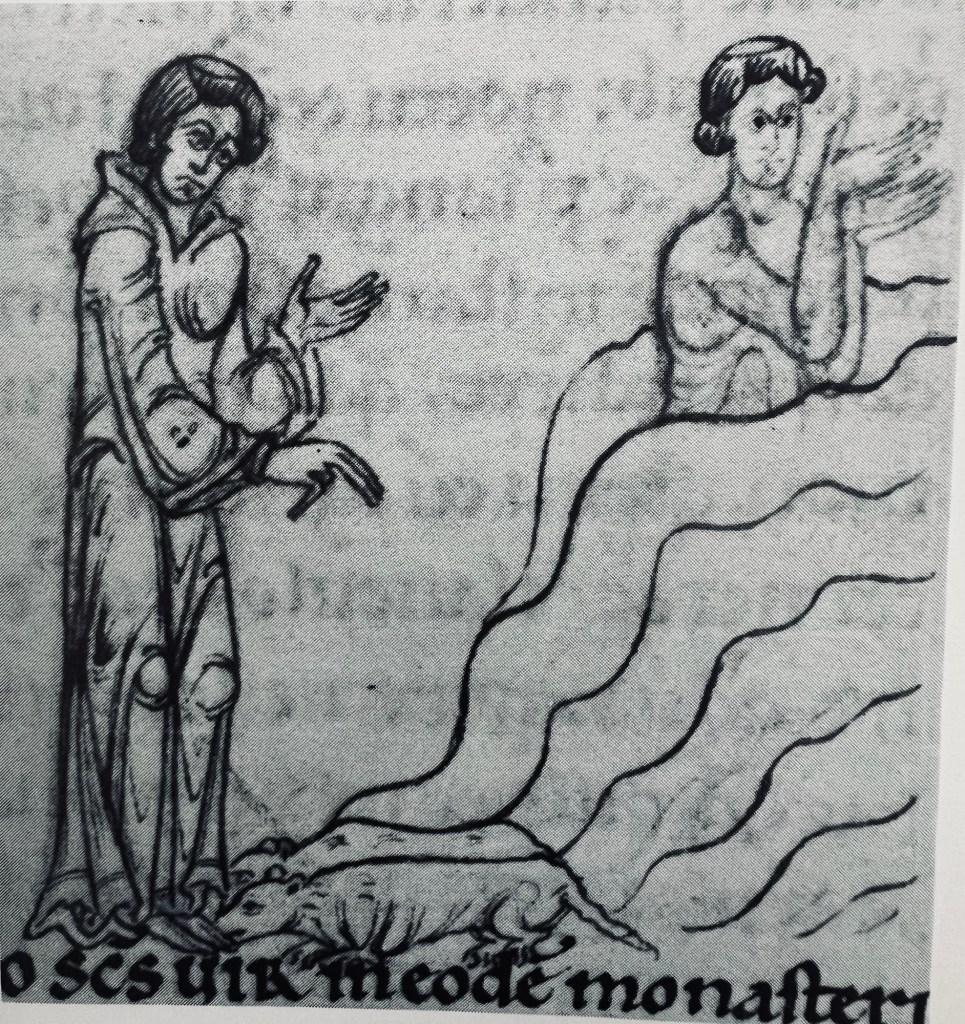
Sadly, it is hard to know as history has recorded little of the emotions the common folk of the medieval period would have felt. From the third century through to the Reformation in the 16th century, millions made at least one pilgrimage in Britain or overseas with general illiteracy denying historians an invaluable resource of common life at that time.
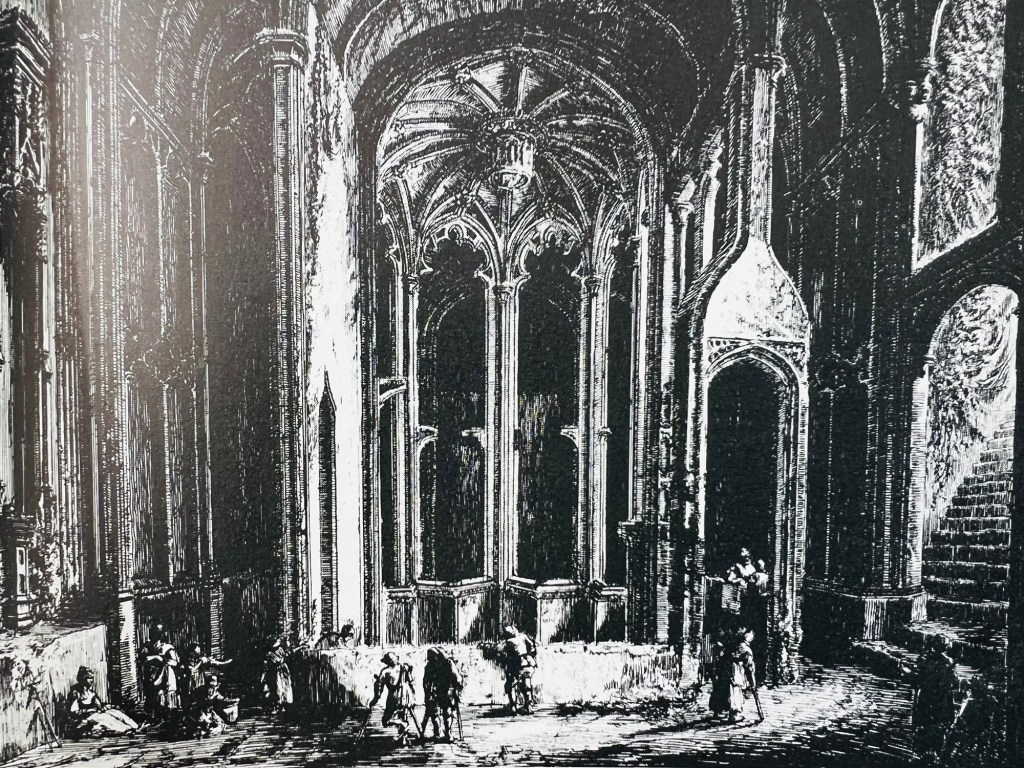
This is a lovely addition to any history bookshelf, pilgrimage can mean many things and it is unique to the individual. Reading this reminds me of the journey as much as the destination.
Further reading:
Categories: British History and Folklore


