
In a previous life, I spent many years cooking professionally both in the UK and abroad. My career began in the mid-eighties and took shape during the heyday of the British restaurant scene of the late eighties and early nineties. Marco Pierre White was the godfather to all of us and suddenly it became hip to be a chef despite the reality of the long, unpaid hours, stress and physicality of the work. Cookbooks by chefs flooded the shelves and London overtook Paris to become the food capital of the world due in large part to its embrace of global cuisines.
For many years I followed the structure of classical French methods, there was an expectation from both my employers and the food guides for me to adhere to a sophisticated style of cooking and whilst I longed to break free of that, I stuck to it.
But no scene ever remains the same and for the hospitality trade a perfect storm of negative factors would see an end to those glory years. The ‘handing back’ of his three Michelin stars signalled a realisation by Marco that the days of luxury dining where coming to an end and save for the usual city haunts, the rest of the country could no longer support the provincial fine dining restaurants. Add to that a dramatic change in young British people wanting to work in the industry a change in food styles was inevitable.
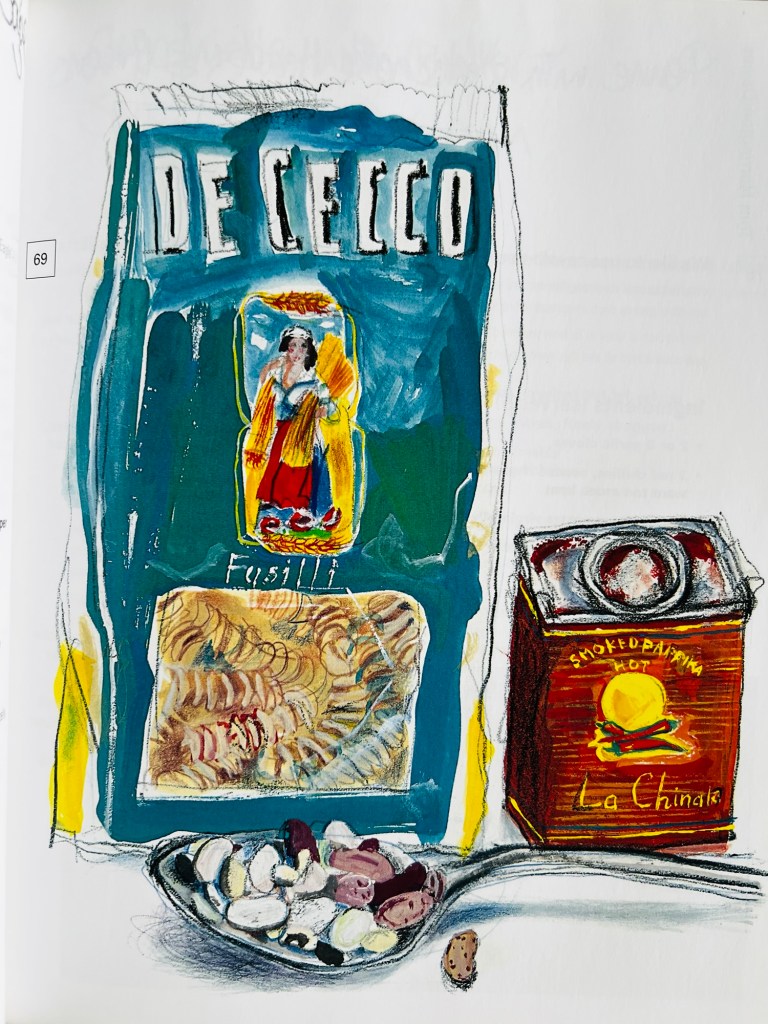
I for one, welcomed the opportunity to cook in a new way and the advent of the gastro pub filled the void left by fine dining, fusion and the dreadful molecular ‘gastronomy’. Whilst gastro pubs divide opinion, the good ones are very good and one of the original leaders of the movement was The Eagle, a pub in Clerkenwell, London which began cooking robust European and British classics during the early nineties onwards. David Eyre and his partner Mike Belben opened the pub in the midst of a recession with a tiny, ill-equipped kitchen which soon began to welcome packed lunch and dinner services.
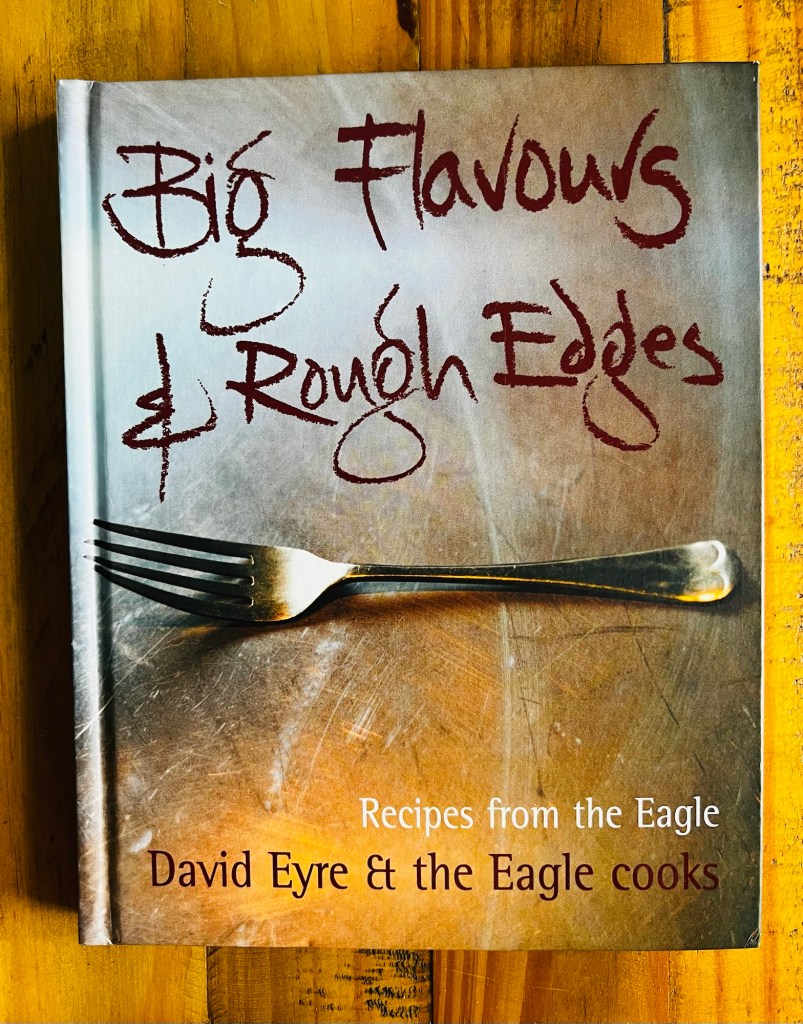
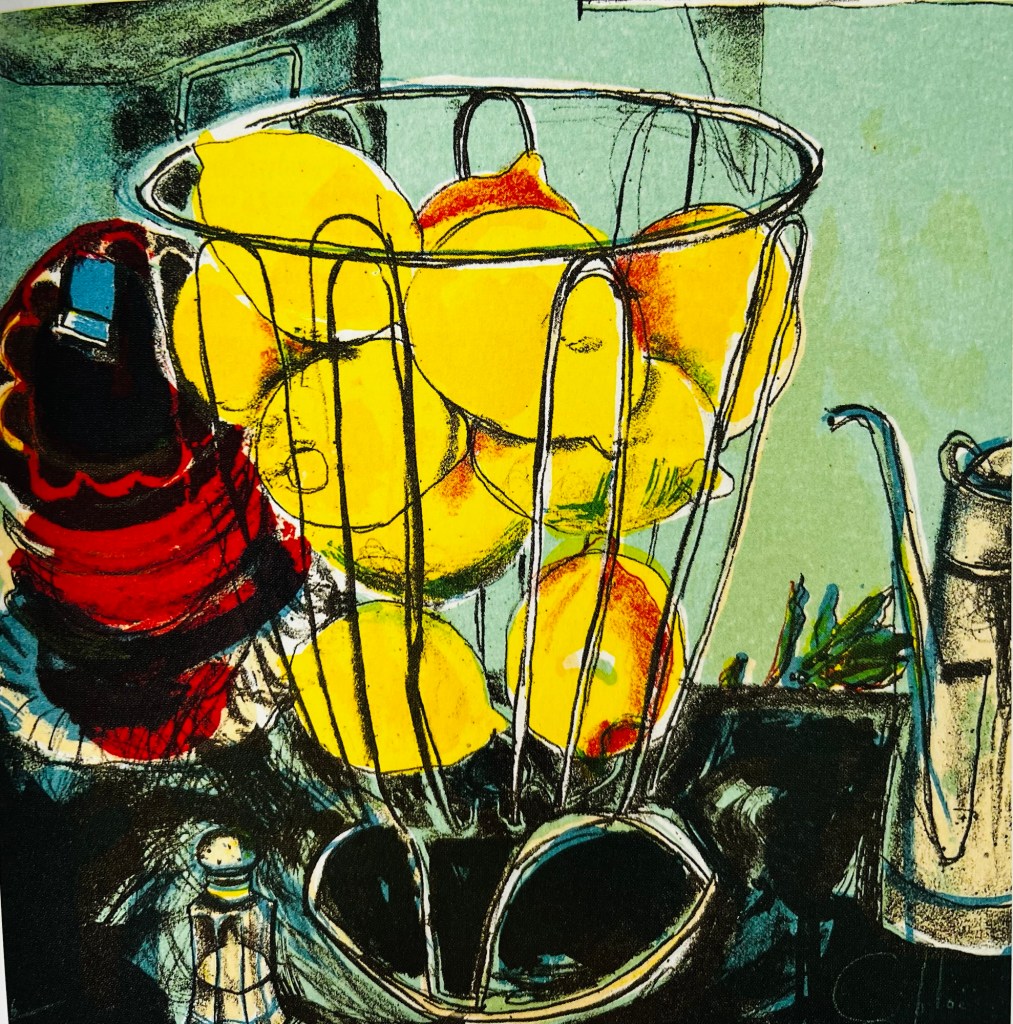
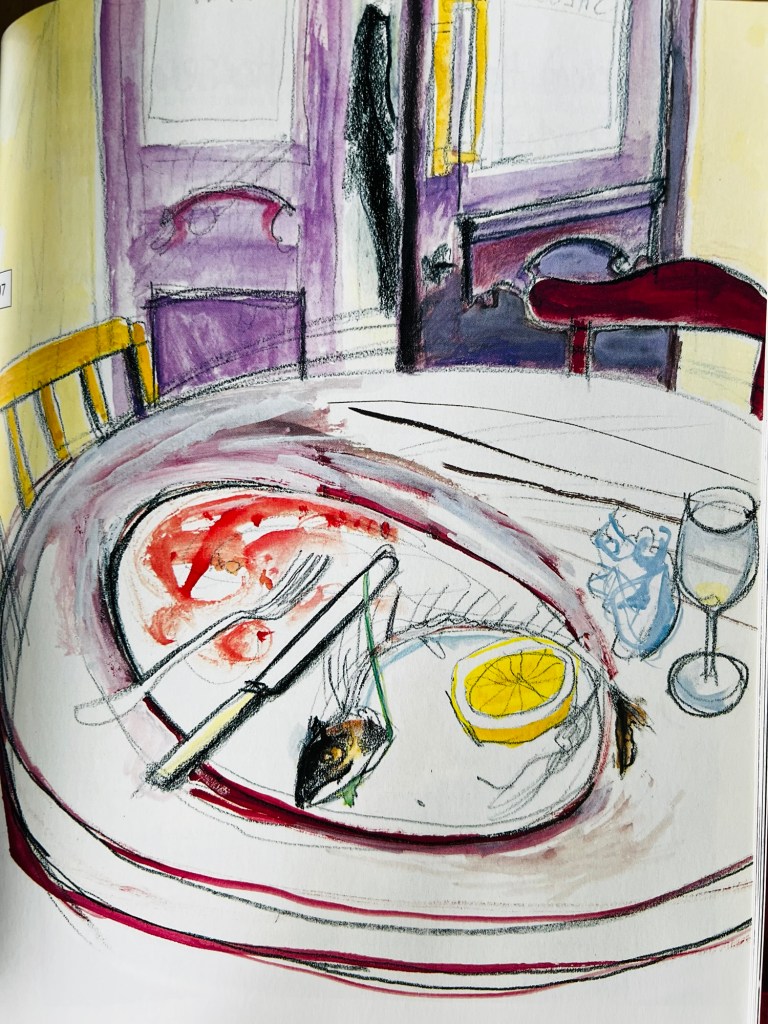
In 2001 Eyre published Big Flavours and Rough Edges, a collection of recipes from the chefs who worked at the pub over the past decade. With beautiful illustrations by Chloe Cheese and photographs by Jason Lowe, this was an inspiring book for me.
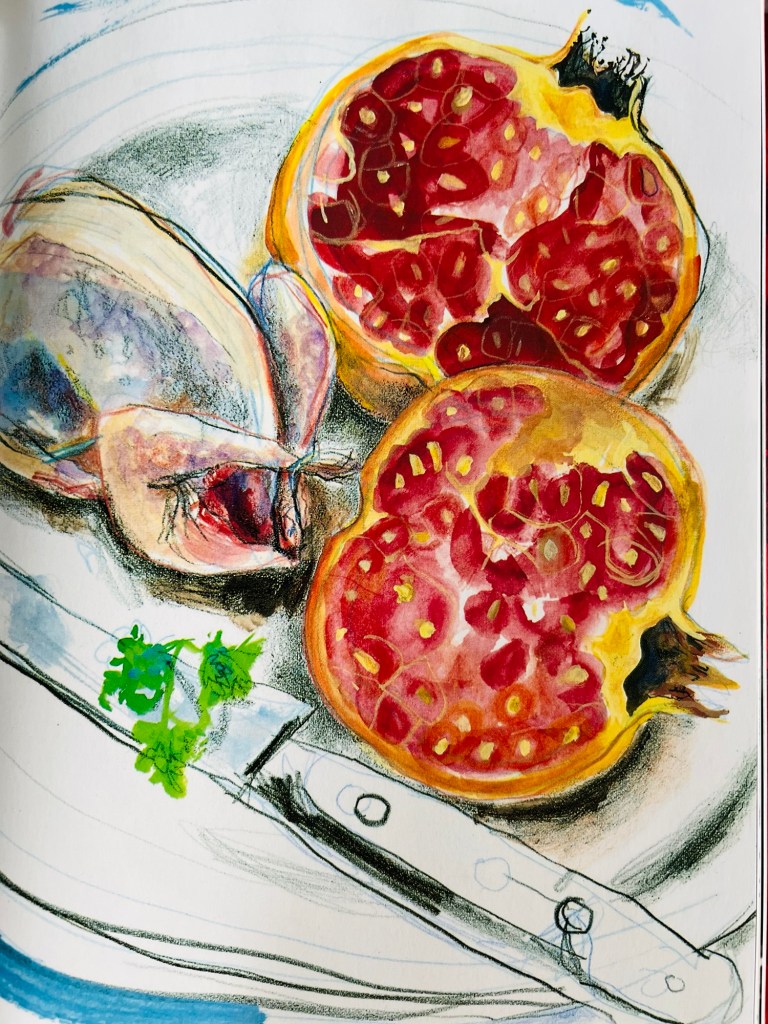
Everything about The Eagle was cool, from the blackboard menu to the rustic tables and vibrant cooking, the dishes soon became the stuff of local legend: Pot Roast Quail with Pomegranates, Osso Bucco, Risotto Milanese with Gremolata, Pork and Clams Alentejo Style, Spanish Rice with Rabbit, Chick Pea Soup…
These dishes were created by a number of chefs over the years and the author lists some sixteen of them with a short biography of each. Each of them brought their own unique style to the food and helped shape the trend for global food within a pub environment.
The book is full of reportage style black and white photographs by Jason Lowe which captures not only the essence of The Eagle but the London food scene in general. No more the hardcore images of Marco in the SAS of kitchens by Bob Carlos Clarke and the stress of producing fine dining, a casual food revolution was upon us and it seems it is here to stay.
The book is beautifully enhanced by the paintings of Chloe Cheese, the wonderfully named English artist who understood the brief; vibrant colours of European food with a seemingly casual artistic style, so much more interesting than the trend for pin sharp photographs of minimalist plates nobody ate for any other reason than being able to say they had.
The Eagle was an honest pub serving honest food to regular people. That David Eyre chose to capture that in this book is something I have long been grateful for.
Further reading:
Remembering Harvey’s Restaurant
Categories: Retro Heaven, The Reading Room


